
Commercial-Industrial ESS Cabinet | Modular, Safe, Scalable
Commercial-Industrial ESS Cabinet: A Field Note from the Front Lines of Storage
If you’ve toured as many plants and logistics parks as I have, you know the conversation has shifted from “whether” to “how fast” when it comes to behind‑the‑meter storage. The Commercial-Industrial ESS Cabinet is one of those products that keeps popping up in procurement shortlists—for good reasons and, to be honest, a few practical ones.
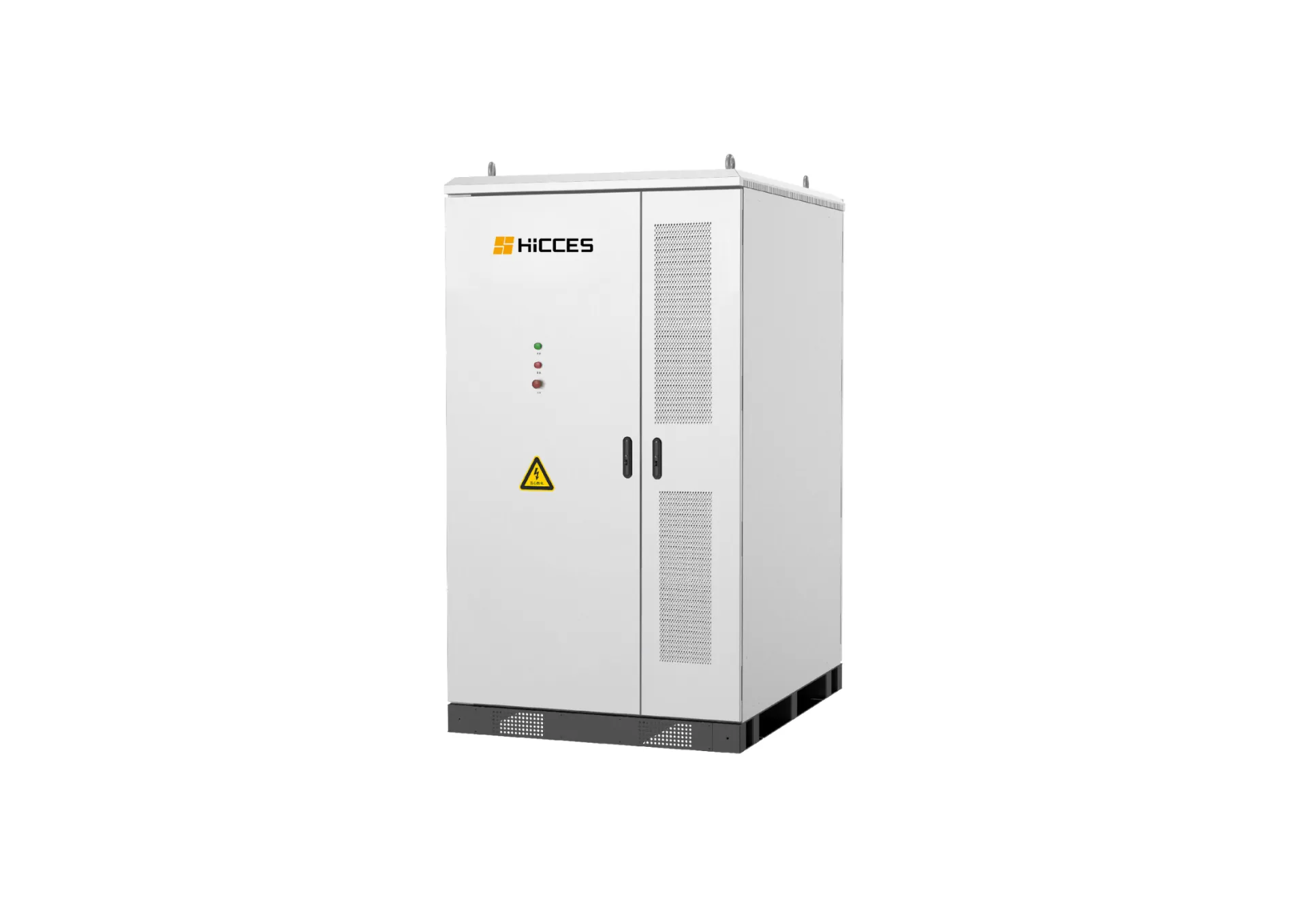
What’s inside, really
Under the paint, it’s lithium iron phosphate (LFP)—high energy density, stable thermal behavior—tied to an integrated PCS, BMS, fire protection, and intelligent temperature control, all in an IP54 enclosure. Rated for around 0.5C charge/discharge and ≈7,500 cycles, the Commercial-Industrial ESS Cabinet aims squarely at peak shaving, PV self-consumption, backup, and even basic ancillary services. Origin matters for support; this unit ships from 4th Floor, Yanhua Building, Jianshe North Street, Qiaodong District, Shijiazhuang City, Hebei, China.
At-a-glance specifications
| Battery chemistry | LiFePO4 (LFP) |
| Energy options | ≈232 kWh or ≈261 kWh (module configurations; real-world usable may vary) |
| Charge/Discharge | 0.5C nominal, bidirectional PCS integrated |
| Protection/Enclosure | IP54, outdoor-rated, galvanized steel |
| Thermal management | Intelligent forced-air; optional liquid loop (project-specific) |
| Monitoring | Remote O&M, alarms, EMS/SCADA via Modbus TCP/RTU; IEC 61850 optional |
| Round-trip efficiency | around 92–96% (site conditions dependent) |
| Service life | ≈7,500 cycles @ 0.5C, typical 80% DoD planning |
| Compliance | Designed to meet IEC 62619, IEC 62933 series; UN 38.3; UL 9540/9540A; NFPA 855 (installation) |
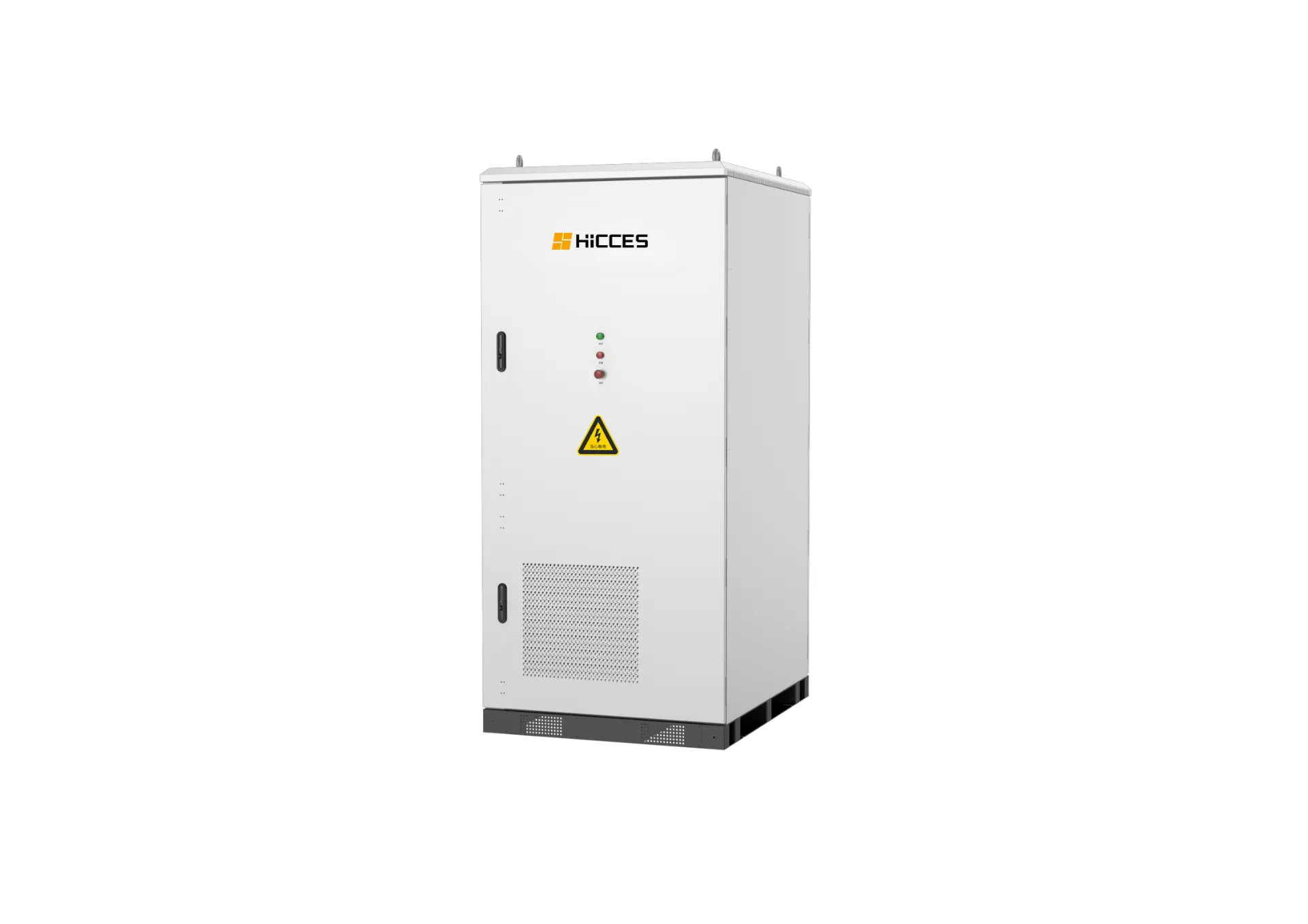
How it’s built and qualified
- Materials: LFP cells; nickel-plated busbars; low-smoke, halogen-free cabling; galvanized steel enclosure with EPDM gaskets.
- Methods: Cell grading, laser-welded tabs, conformal-coated PCBs, pack-level fusing, and segment fire isolation.
- Testing: Type and routine tests aligned with IEC 62619; UN 38.3 transport; UL 9540A thermal propagation testing (report on request).
- Service life management: SOC windowing, adaptive thermal curves, calendar aging models in BMS.
- Industries: Food cold storage, light manufacturing, EV charging hubs, campuses, microgrids, data rooms (edge).
Real-world applications and feedback
Peak-shaving is the headline, but many customers say the silent hero is backup: seamless ride-through during brownouts. In one logistics park, a Commercial-Industrial ESS Cabinet paired with 800 kWp PV cut demand charges by ~18% in the first quarter—modest, yet bankable. Another site used it for EV charging load shaping, keeping the grid connection under a contractual cap. Noise? It seems acceptable—≈65 dB(A) at 1 m in my meter checks, which is warehouse-quiet.
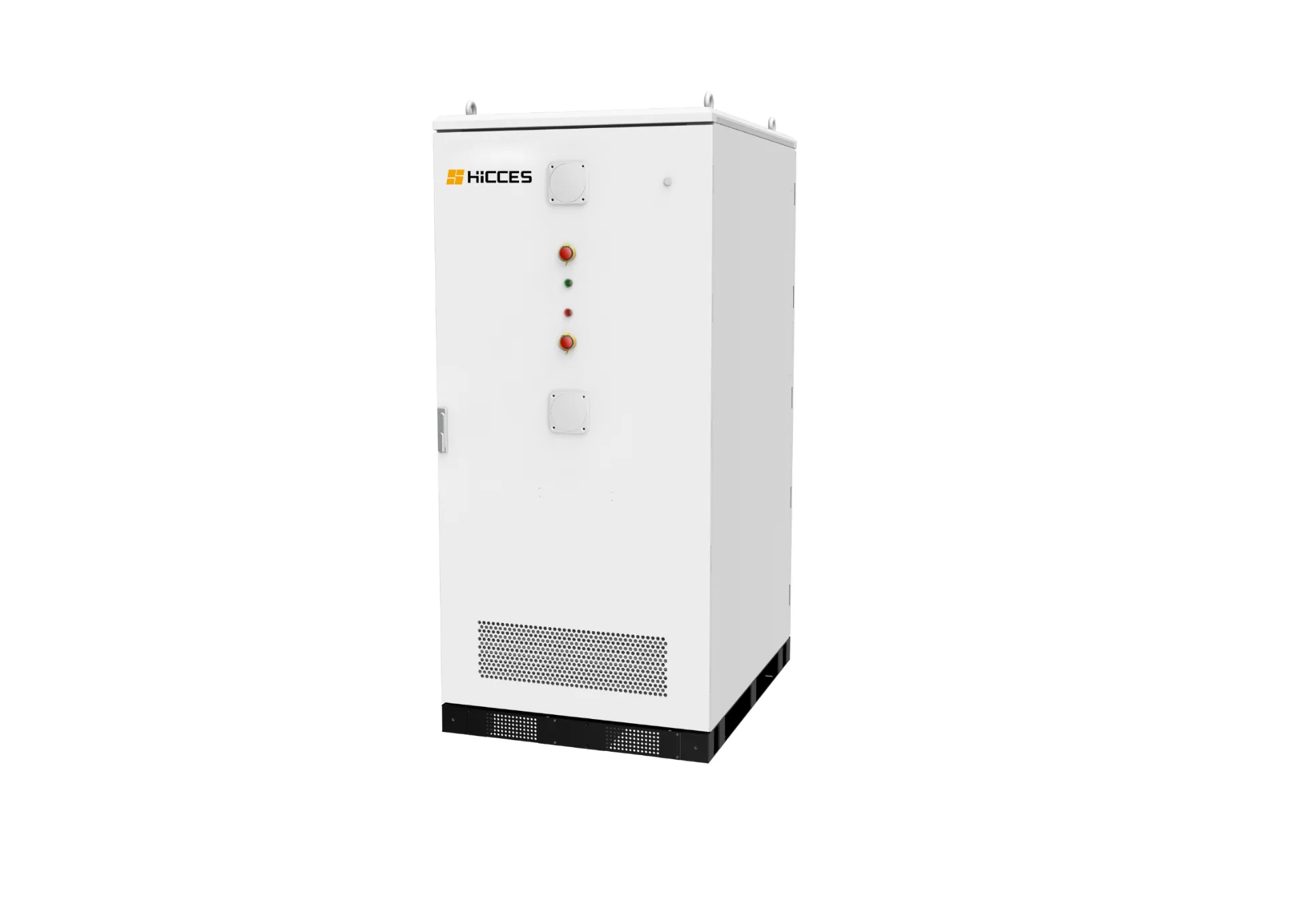
Customization and integration
You can spec PCS power blocks (often 50–250 kW per cabinet), EMS API hooks, fire suppression medium (clean-agent vs aerosol), and cabinet color/locks. For grid-tied projects, check interconnection (IEEE 1547 profile) and coordinate protection curves with your utility early—saves headaches later.
Vendor landscape (quick compare)
| Vendor | Chemistry | IP | Cycles (≈) | Certs (typ.) | Notable |
|---|---|---|---|---|---|
| Commercial-Industrial ESS Cabinet | LFP | IP54 | ~7,500 | IEC 62619, UL 9540/9540A (project) | Integrated PCS/BMS, remote O&M |
| Vendor A (Global OEM) | LFP | IP55 | 6,000–8,000 | UL 9540, CE, IEC | Strong service network |
| Vendor B (Local Integrator) | LFP/NMC | IP54 | 4,000–7,000 | Regional approvals | Lower capex; more variance |
Trends to watch
Actually, two things: more sites are stacking revenues (demand response + PV shifting), and fire code compliance is getting tougher. Have your UL 9540A report handy and involve AHJs early. Surprising no one, LFP continues to dominate C&I due to safety and TCO.
Citations:
- IEC 62619: Secondary lithium cells and batteries for industrial applications.
- UL 9540: Energy Storage Systems and Equipment.
- UL 9540A: Test Method for Evaluating Thermal Runaway Fire Propagation.
- NFPA 855: Standard for the Installation of Stationary Energy Storage Systems.
- UN 38.3: Recommendations on the Transport of Dangerous Goods—Lithium Batteries.
- IEC 62933 series: Electrical Energy Storage (EES) systems.