
Commercial-Industrial ESS Cabinet: Safe, Scalable Power?
Commercial-Industrial ESS Cabinet: what’s changing on the factory floor
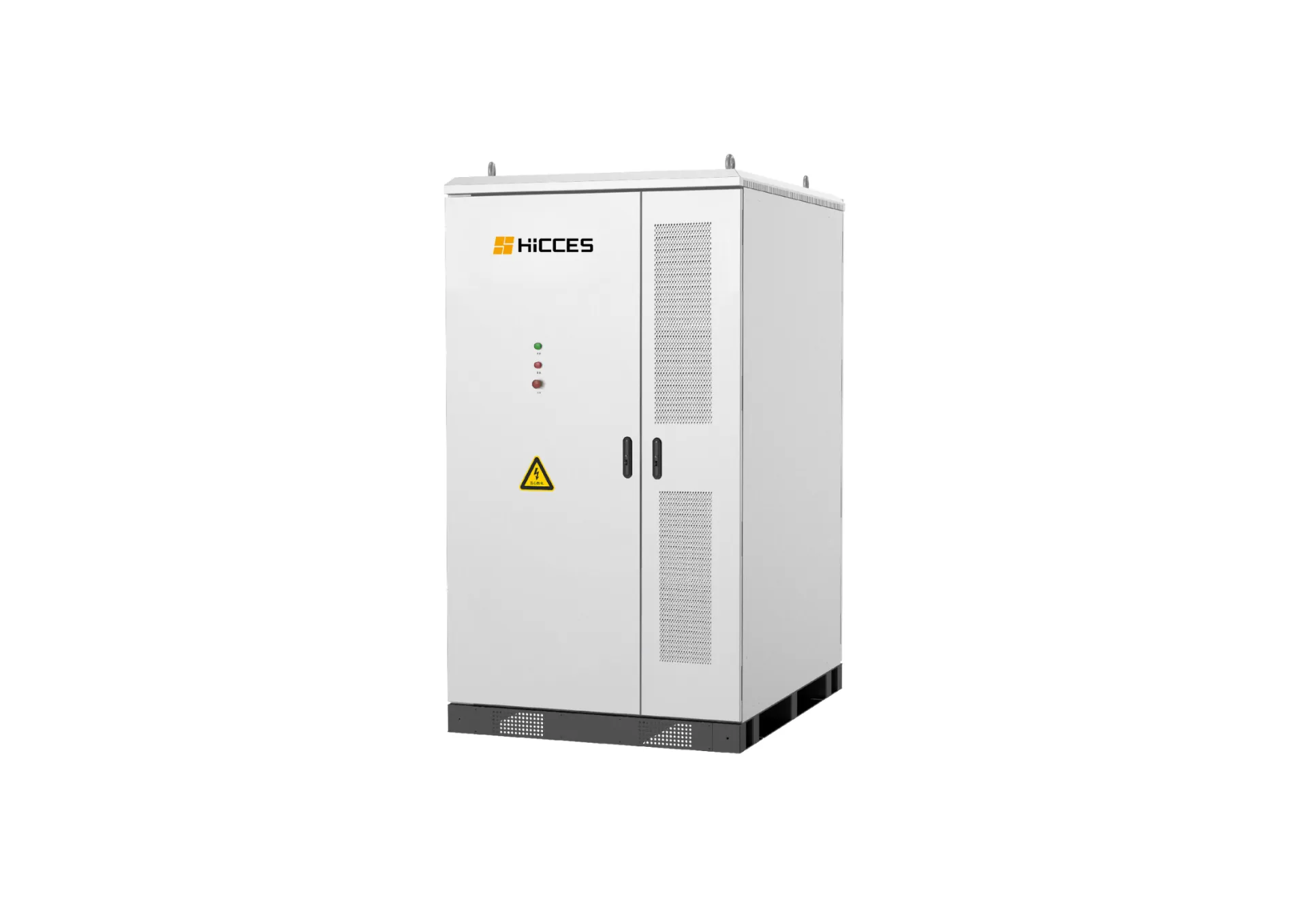
If you’ve been watching behind-the-meter storage, the pace is wild. The Commercial-Industrial ESS Cabinet lands squarely in that sweet spot where resilience, tariffs, and ESG pressure intersect. I’ve walked a few busy plants this year; managers keep saying the same thing: “give me safe, compact, remotely managed, and don’t make me babysit it.” That’s basically the brief here.
Why this cabinet matters now
Tariffs and peak demand charges keep climbing; interconnection queues stretch forever. A cabinetized, IP54-rated system with integrated PCS/BMS/fire safety/thermal control shortens deployment—no sprawling container111, fewer vendors to juggle. And yes, LFP chemistry is having a moment again for predictable safety and longevity.
Key specifications (real-world use may vary)
| Parameter | Spec |
|---|---|
| Chemistry | Lithium Iron Phosphate (LFP) |
| Cycle life | ≈7,500 cycles @ 0.5C, 25°C (DoD-dependent) |
| Charge/Discharge | 0.5C bidirectional |
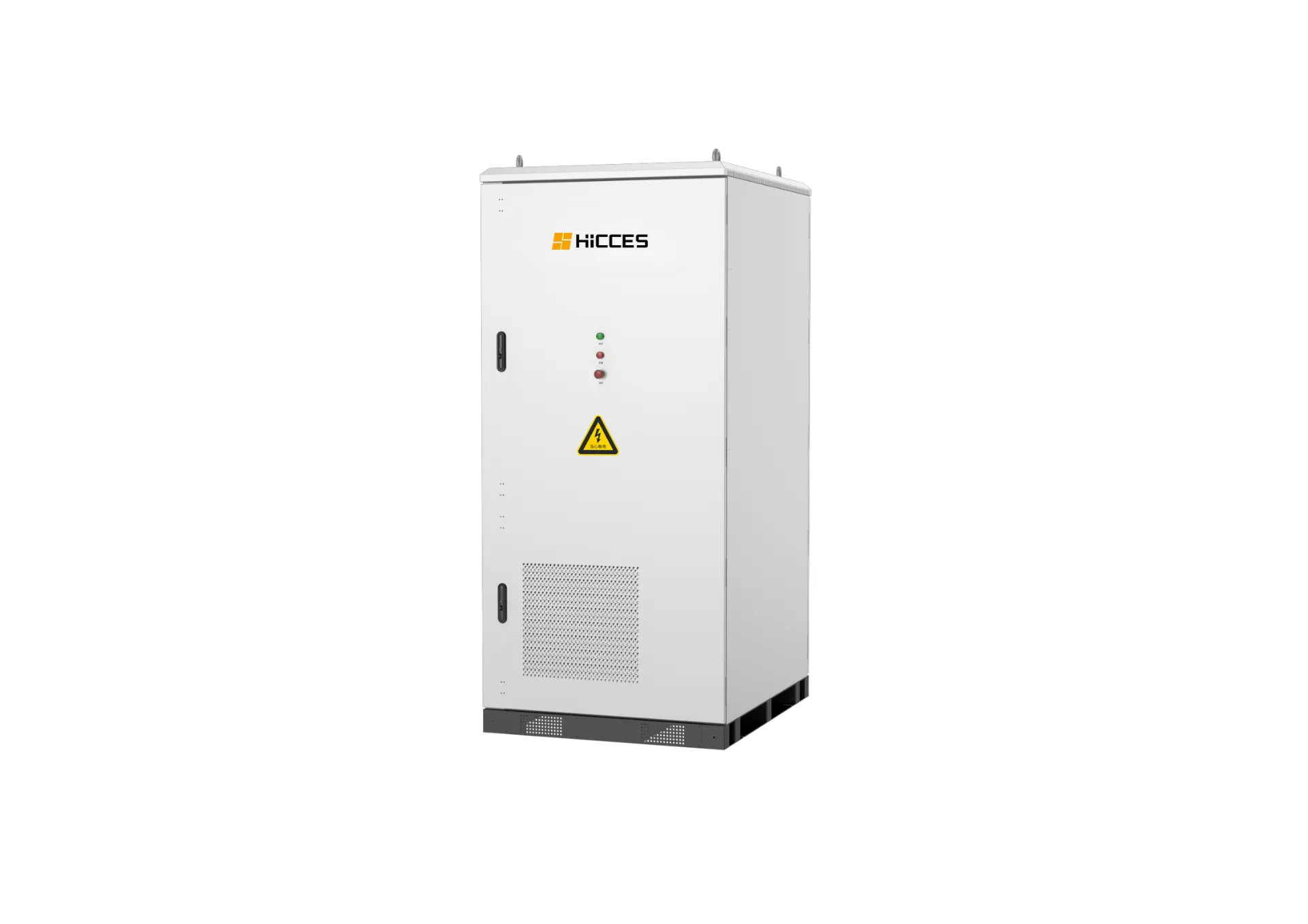
| Integration | PCS, BMS, fire protection, intelligent temperature control |
| Ingress protection | IP54 enclosure |
| Remote O&M | Cloud monitoring, diagnostics, firmware OTA |
| Round-trip efficiency | ≈92–95% (system-level) |
Applications we’re seeing
- Peak shaving and demand charge reduction (manufacturing, cold storage)
- PV self-consumption and time-of-use arbitrage
- Backup for critical loads and microgrids (retail, logistics hubs, datacom rooms)
- EV fleet depot buffering and charger load ramp smoothing
Process flow, materials, and quality
Under the hood, the Commercial-Industrial ESS Cabinet uses high-energy-density LFP cells, laser-welded busbars, and a powder-coated, cold-rolled steel shell. Thermal management is a closed-loop, intelligent HVAC path with fire-rated insulation. PCBs receive conformal coating; harnesses are crimped and pull-tested. Routine tests: cell matching, insulation resistance, HV hipot, EMC pre-scan, and functional FAT.
- Standards and tests: IEC 62619 (cells), UL 1973 (batteries), UN 38.3 (transport), IEC 61000-6-2/4 (EMC), UL 9540/9540A (system/fire testing), NFPA 855 siting.
- Service life: around 10–15 years depending on ambient, cycling profile, and DoD.
- Industries: light/medium manufacturing, hospitality, campuses, supermarkets, telecom edge sites.
Vendor comparison (field-notes style)
| Item | Commercial-Industrial ESS Cabinet | Vendor A (rack ESS) | Vendor B (20-ft container111) |
|---|---|---|---|
| Integration level | All-in-one PCS/BMS/thermal/fire | Separate PCS room | High, but site works heavier |
| IP rating | IP54 | IP20–IP40 | IP54–IP55 |
| Cycle life (LFP/NMC) | ≈7,500 (LFP) | ≈6,000 (varies) | ≈6,000–7,000 |
| Charge rate | 0.5C | 0.25–0.5C | 0.3–0.5C |
| Remote O&M | Native, granular | Add-on platform | Native |
Customization options
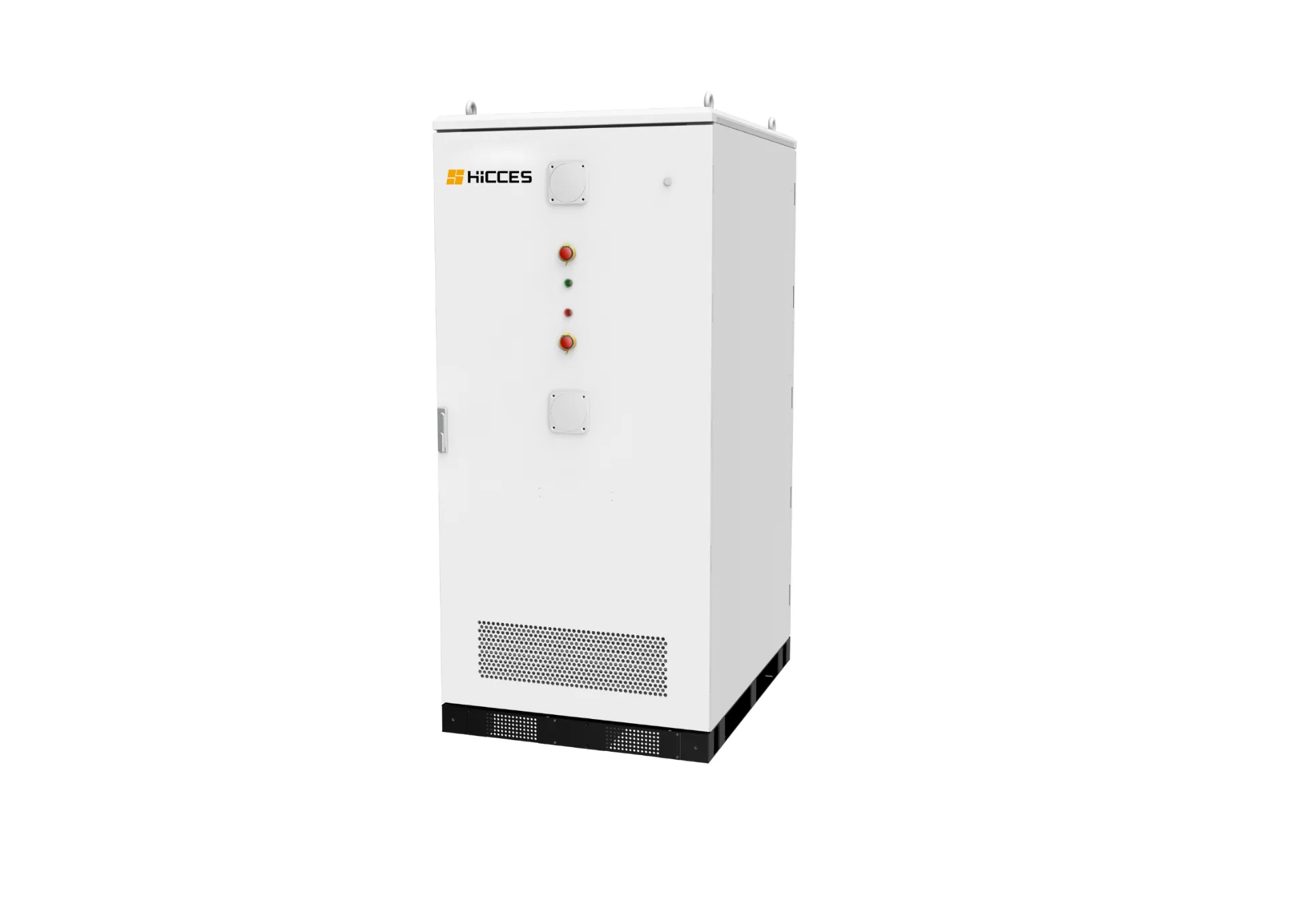
Cabinet capacity blocks (e.g., ≈232–261 kWh variants), grid codes by region, EMS integrations (Modbus/TCP, IEC 61850), fire agent choices, and enclosure colors/branding. Origin and engineering base: 4th Floor, Yanhua Building, Jianshe North Street, Qiaodong District, Shijiazhuang City, Hebei Province, China.
Field feedback and mini case studies
- Cold storage (North Asia): 232 kWh unit cuts peak demand ≈18%; payback reported at 3.6 years with PV coupling.
- EV fleet depot (EU): two cabinets buffer six 120 kW chargers; site avoided upstream upgrade and still meets SLA.
- Customer note: “Remote thermal tweaks saved us a truck roll during a heatwave.” Honestly, that’s the dream.
Safety, compliance, and data points
Designed to comply with UL 9540/9540A, UL 1973, IEC 62619, UN 38.3, and NFPA 855 siting guidance; EMC to IEC 61000 family. Typical cabinet telemetry shows cell delta ≤3 mV at steady state, with pre-alarm smoke and multi-stage fire response. Commissioning flow: factory FAT → site SAT → 7-day soak test with EMS profiles.
References
- IEC 62619: Safety requirements for secondary lithium cells and batteries for industrial applications.
- UL 1973: Batteries for Use in Stationary and Motive Auxiliary Power Applications.
- UL 9540 / 9540A: Energy Storage Systems and Fire Propagation Assessment.
- UN 38.3: Recommendations on the Transport of Dangerous Goods—Lithium Battery Testing.
- NFPA 855: Standard for the Installation of Stationary Energy Storage Systems.
- IEC 61000-6-2/6-4: Electromagnetic compatibility (EMC) immunity/emission for industrial environments.