
Elevator Intelligent Controller JT-01H-CA: Smart & Reliable
Introduction to Advanced Elevator Control Systems
In the rapidly evolving landscape of vertical transportation, the demand for intelligent, energy-efficient, and highly reliable elevator systems has never been greater. Modern urban infrastructure, characterized by high-rise buildings and complex logistical needs, necessitates control solutions that go beyond basic functionality. This requires advanced technological integration, precision engineering, and robust software architecture.
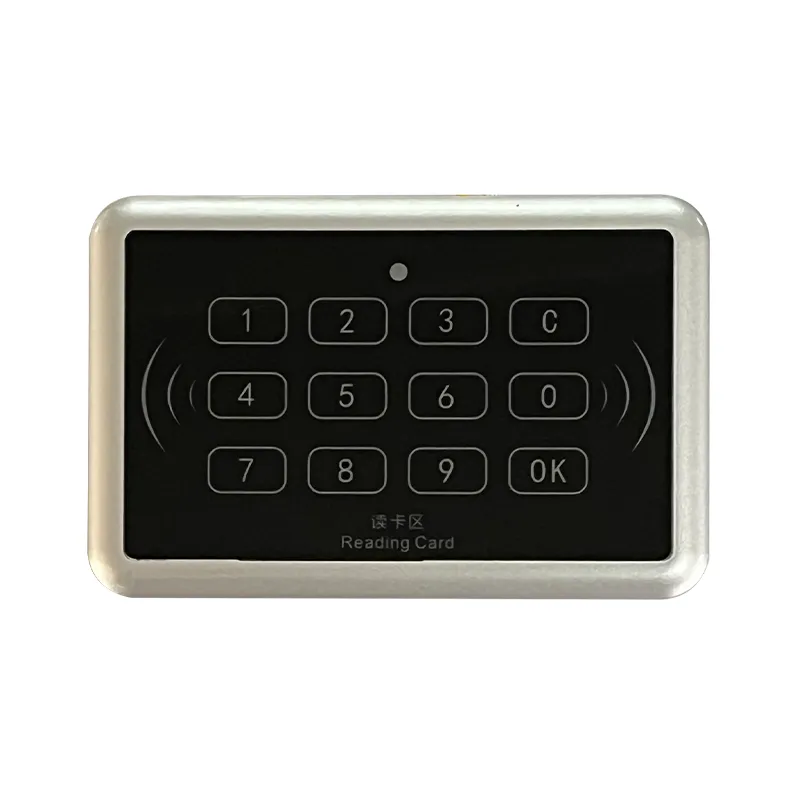
At the forefront of this innovation is the Elevator Intelligent Controller JT-01H-CA. This sophisticated unit represents a significant leap in elevator control technology, designed to meet the rigorous demands of contemporary building management systems. It offers unparalleled performance, enhanced safety features, and optimized operational efficiency, making it a critical component for next-generation elevator installations and modernization projects.
This article will delve into the intricacies of this intelligent controller, exploring its manufacturing process, technical specifications, application advantages, and its role in shaping the future of vertical transportation.
Current Industry Trends in Elevator Technology
The elevator industry is undergoing a profound transformation, driven by several key trends. These trends are directly addressed and often enabled by advanced controllers like the Elevator Intelligent Controller JT-01H-CA:
- Smart and Connected Elevators (IoT Integration): The push for building automation and smart cities means elevators are no longer standalone units. They are becoming integral parts of larger IoT ecosystems, communicating with building management systems (BMS), security systems, and predictive maintenance platforms. This connectivity allows for real-time monitoring, remote diagnostics, and optimized traffic flow management.
- Energy Efficiency: With increasing global emphasis on sustainability, energy consumption is a major concern. Modern controllers leverage advanced variable voltage variable frequency (VVVF) drives, regenerative braking systems, and intelligent dispatch algorithms to significantly reduce power usage.
- Enhanced Safety and Reliability: Redundant safety circuits, advanced fault detection, and compliance with stringent international safety standards (e.g., EN 81 series) are paramount. Controllers are designed with self-diagnosis capabilities and fail-safe mechanisms to ensure passenger safety and minimize downtime.
- Personalization and User Experience: Touchless interfaces, destination dispatch systems, and integration with personal devices are enhancing the passenger experience, reducing wait times, and improving accessibility.
- Predictive Maintenance: AI and machine learning algorithms are being integrated into control systems to predict potential component failures before they occur, enabling proactive maintenance and reducing unexpected breakdowns. This shifts from reactive to preventive maintenance paradigms, reducing operational costs by up to 20-30% for some operators, according to industry reports.
These trends underscore the necessity for highly adaptable, robust, and intelligent control units capable of managing complex operations while interfacing seamlessly with diverse building technologies.
Understanding the Manufacturing Process of Elevator Intelligent Controller JT-01H-CA
The production of a sophisticated device like the Elevator Intelligent Controller JT-01H-CA involves a multi-stage, precision-engineered process designed to ensure durability, reliability, and peak performance. From material selection to final testing, every step adheres to stringent quality control protocols.
Materials and Component Sourcing:
The foundation of the JT-01H-CA lies in its high-quality components. This includes industrial-grade microcontrollers (e.g., ARM Cortex series), robust power supply units, high-speed communication modules (CAN bus, Ethernet), and durable printed circuit board (PCB) substrates. All electronic components are sourced from reputable global suppliers and undergo rigorous incoming quality control (IQC) to verify specifications and authenticity, complying with RoHS directives for environmental responsibility.
Manufacturing Processes:
- PCB Fabrication: High-density, multi-layer PCBs are manufactured with precise etching and drilling, ensuring optimal signal integrity and power distribution.
- Automated SMT Assembly (Surface Mount Technology): Components are precisely placed onto the PCBs using high-speed pick-and-place machines. This process guarantees consistent placement accuracy and soldering quality, minimizing defects associated with manual assembly.
- Reflow Soldering: Assembled PCBs pass through controlled reflow ovens, where solder paste melts and forms strong electrical and mechanical connections. Advanced temperature profiling ensures optimal solder joint formation.
- Through-Hole Technology (THT) Assembly: For larger components like connectors or certain power modules, THT assembly and wave soldering or selective soldering techniques are employed.
- Enclosure Fabrication: The controller’s robust metal enclosure provides essential protection against environmental factors and electromagnetic interference (EMI). While casting, forging, and CNC machining are common for heavy industrial components, for this controller, the enclosure is typically fabricated using precision sheet metal forming, laser cutting, and powder coating for durability and corrosion resistance.
- Final Assembly: The assembled PCBs, power supplies, and interface modules are integrated into the prepared enclosure. Internal wiring and connections are meticulously made, ensuring proper insulation and strain relief.
Testing and Quality Assurance:
- In-Circuit Testing (ICT): Verifies proper component placement and electrical continuity on the PCB.
- Functional Testing: Each controller undergoes comprehensive functional tests, simulating real-world elevator operation to ensure all inputs, outputs, communication protocols, and safety interlocks function correctly. This includes testing motor control, door control, dispatch algorithms, and emergency stop functions.
- Environmental Testing: Controllers are subjected to thermal cycling, vibration, and humidity tests to ensure performance stability under various operating conditions. This helps guarantee a projected service life of 15-20 years under normal operating conditions.
- EMI/EMC Compliance: Tested for electromagnetic compatibility (EMC) and interference (EMI) to ensure they do not disrupt other electronic systems and are resistant to external interference, complying with standards like EN 12015 and EN 12016.
- Safety Standard Adherence: Compliance with international safety standards such as ISO 9001 for quality management, and specific elevator safety standards like EN 81-20/50 for European markets, and local equivalents for other regions. These rigorous testing standards ensure that the Elevator Intelligent Controller JT-01H-CA meets global benchmarks for safety and quality.
The target industries for such intelligent controllers primarily include commercial real estate (offices, shopping malls), high-rise residential buildings, hospitality (hotels), healthcare facilities, and specialized applications like freight elevators or observation lifts. In these scenarios, the JT-01H-CA provides critical advantages such as significant energy savings through optimized motor control, enhanced operational safety, and reduced maintenance costs.
Key Technical Specifications and Parameters
The performance and reliability of the Elevator Intelligent Controller JT-01H-CA are defined by its robust technical specifications. These parameters ensure optimal operation across a wide range of elevator configurations and demands.
Product Specification Table:
| Parameter | Specification | Description |
|---|---|---|
| Model | JT-01H-CA | Elevator Intelligent Controller |
| Max. Floors Served | Up to 64 floors | Scalable for high-rise applications |
| Speed Range | Up to 7.0 m/s | Suitable for high-speed elevators |
| Motor Type Compatibility | PM Synchronous (Gearless), Asynchronous (Geared) | Versatile motor control for various drive systems |
| Control Method | VVVF (Vector Control), Field-Oriented Control (FOC) | Ensures smooth, precise, and energy-efficient operation |
| Communication Protocol | CAN bus, Ethernet (Modbus/TCP, BACnet IP) | Robust and scalable for elevator networking and BMS integration |
| Position Encoding | Absolute Encoder, Incremental Encoder, Magnetic Tape | High-accuracy position detection for smooth stops and rides |
| Safety Standards | EN 81-20/50, CE, ISO 9001 | Meets international safety and quality benchmarks |
| Power Input | AC 380V-460V, 50/60Hz | Standard industrial power supply |
| Operating Temperature | -10°C to +50°C | Wide operational range for diverse environments |
| Regenerative Braking | Standard Feature | Recovers energy back to the grid, improving efficiency |
| Diagnostic Capabilities | Real-time fault logging, remote monitoring | Facilitates quick troubleshooting and predictive maintenance |
These specifications highlight the controller's capacity for high-performance and reliable operation in demanding environments. The integration of advanced control algorithms like VVVF and FOC ensures superior ride comfort and energy efficiency, a crucial factor in reducing operational expenses over the elevator's lifetime. For instance, elevators equipped with regenerative braking can achieve energy savings of 20-40% compared to traditional systems, depending on usage patterns and building height.
Technical Advantages of the Elevator Intelligent Controller JT-01H-CA
The Elevator Intelligent Controller JT-01H-CA is engineered with several core technical advantages that distinguish it in a competitive market, delivering tangible benefits to building owners, operators, and passengers alike.
- Superior Ride Comfort and Precision: Leveraging advanced vector control (FOC) algorithms, the JT-01H-CA ensures exceptionally smooth acceleration, deceleration, and leveling accuracy (typically ±3 mm). This minimizes jerks and vibrations, providing a premium passenger experience, crucial for high-end commercial and residential applications.
- Optimized Energy Efficiency: The integrated VVVF drive and regenerative braking system significantly reduce power consumption. During deceleration or light loads, the controller converts kinetic energy back into electrical energy, feeding it into the building's grid. This can lead to substantial reductions in electricity bills, often exceeding 30% compared to older relay-logic or non-regenerative drive systems.
- Robust Safety and Reliability: Designed with redundant safety circuits and comprehensive self-diagnostic capabilities, the controller continuously monitors system health. It instantly detects and logs faults, enabling rapid troubleshooting and preventing potential safety hazards. Compliance with EN 81-20/50 standards guarantees adherence to the highest international safety protocols.
- Advanced Group Control Capabilities: For multiple elevator installations, the JT-01H-CA supports intelligent group control algorithms. These algorithms dynamically optimize dispatching based on real-time traffic patterns, reducing passenger wait times and improving overall building traffic flow efficiency. This is particularly beneficial in busy commercial complexes.
- Seamless Integration and Connectivity: With standard communication interfaces like CAN bus and Ethernet (supporting protocols like Modbus/TCP and BACnet IP), the controller easily integrates with Building Management Systems (BMS), smart home platforms, and remote monitoring solutions. This enhances operational visibility and facilitates predictive maintenance strategies.
- Durability and Longevity: Constructed with industrial-grade components and housed in a robust, EMI-shielded enclosure, the JT-01H-CA is built for extended service life and reliable operation in challenging environments. Its corrosion resistance (due to enclosure design and component selection) ensures performance over decades.
- Flexible Customization and Expandability: The modular architecture allows for easy customization to specific elevator requirements, whether it's adjusting travel speed, adding specialized functions (e.g., fire service, hospital mode), or integrating with unique security systems. Its expandability ensures future-proofing for evolving building needs.
These advantages collectively position the JT-01H-CA as a top-tier solution for demanding elevator applications, providing both immediate operational benefits and long-term cost efficiencies.
Application Scenarios of the Elevator Intelligent Controller JT-01H-CA
The versatility and robust features of the Elevator Intelligent Controller JT-01H-CA make it suitable for a diverse range of vertical transportation applications, enhancing performance and safety across various sectors:
- Commercial Buildings: In high-traffic office towers, shopping malls, and convention centers, the controller's group control capabilities minimize wait times and optimize passenger flow, crucial for managing peak hour demands. Its energy-saving features also contribute to lower operational overhead for building management.
- High-Rise Residential Complexes: Ensuring smooth, quiet, and reliable transportation is paramount in luxury apartments and condominiums. The JT-01H-CA delivers superior ride comfort and precise leveling, enhancing residents' quality of life.
- Hotels and Hospitality: Guest experience is key. The controller provides quiet operation, quick response times, and can be integrated with hotel management systems for enhanced security and VIP services.
- Hospitals and Healthcare Facilities: Reliability, precision, and quick response in emergency situations are critical. The controller supports specialized hospital modes (e.g., stretcher mode, doctor call) and ensures fail-safe operation, crucial for patient and staff safety.
- Public Transportation Hubs: In airports, train stations, and metro systems, where elevators face continuous heavy usage, the durability and advanced diagnostic features of the JT-01H-CA ensure maximum uptime and efficient maintenance.
- Modernization Projects: The controller's adaptability makes it an ideal choice for upgrading older elevator systems. Its integration capabilities allow it to seamlessly replace legacy control panels, bringing outdated elevators up to modern standards of safety, energy efficiency, and performance without requiring complete system overhauls.
In each of these scenarios, the emphasis is on delivering not just vertical movement, but intelligent, safe, and efficient transportation solutions that align with the specific operational and user experience requirements of the environment.
Vendor Comparison: Why Choose the JT-01H-CA
While the market offers various elevator control solutions, the Elevator Intelligent Controller JT-01H-CA stands out due to its optimized blend of advanced features, reliability, and support. Below is a generalized comparison against typical industry offerings:
Comparative Analysis Table:
| Feature/Criterion | Elevator Intelligent Controller JT-01H-CA | Standard Market Offering (Average) | Budget-Oriented Controllers |
|---|---|---|---|
| Max. Floors/Speed | 64 Floors / 7.0 m/s | 32 Floors / 3.5 m/s | 16 Floors / 1.75 m/s |
| Control Algorithm | VVVF Vector Control (FOC) | VVVF Open Loop Control | ACVV / ACVF (simpler) |
| Energy Efficiency | High (Regenerative Braking Standard) | Medium (Optional Regenerative) | Low (Resistive Braking) |
| Communication Protocols | CAN, Ethernet (Modbus/TCP, BACnet IP) | CAN (Limited BMS integration) | Serial (Proprietary) |
| Diagnostic Features | Advanced, Remote Monitoring | Basic On-site Fault Codes | Manual Troubleshooting |
| Safety Compliance | EN 81-20/50, CE, ISO 9001 | Basic Local Standards | Minimal Local Standards |
| Customization & Scalability | High, Modular Design | Moderate, Limited Expansion | Low, Fixed Functionality |
| Support & Warranty | Comprehensive, Extended Options | Standard, Regional | Limited, Basic |
This comparison highlights the JT-01H-CA's superior capabilities, particularly in high-rise, high-speed, and complex installations where energy efficiency, advanced safety, and seamless building integration are critical. Investing in the JT-01H-CA means choosing a future-proof solution that delivers long-term operational savings and enhanced user satisfaction, justifying a potentially higher initial investment through reduced total cost of ownership (TCO).
Customized Solutions with the JT-01H-CA
Recognizing that every building and elevator system presents unique challenges, the Elevator Intelligent Controller JT-01H-CA is designed with inherent flexibility to support extensive customization. This modular approach ensures that specific operational requirements and aesthetic preferences can be met without compromising on core performance or safety.
- Tailored Traffic Management: Beyond standard group control, the controller can be programmed for specialized traffic patterns, such as shuttle services between specific floors, express zones, or priority access for VIPs or emergency personnel. This is particularly valuable in multi-tenant buildings or mixed-use developments.
- Integration with Third-Party Systems: Whether it's connecting to a sophisticated destination dispatch system, integrating with access control for enhanced security, or linking to a building's overall smart energy management platform, the JT-01H-CA's open communication protocols facilitate seamless data exchange.
- Specialized Operating Modes: For unique applications like hospitals, fire service, or even observation elevators, custom operating modes can be configured. This includes features like extended door opening times, controlled speed for specific loads, or enhanced emergency power options.
- Hardware Adaptations: While the core controller remains consistent, peripheral hardware interfaces can be adapted. This includes various types of absolute or incremental encoders, specific car operating panel (COP) and hall call button (HCP) interfaces, and custom I/O configurations to match existing wiring or unique sensor requirements during modernization.
- Software Personalization: Firmware can be updated or configured to include specific logic, diagnostic routines, or reporting formats that align with a client's specific maintenance philosophy or operational key performance indicators (KPIs).
Our team of engineers works closely with clients from conceptualization through implementation, ensuring that the customized Elevator Intelligent Controller JT-01H-CA solution not only meets but exceeds expectations, providing a truly bespoke vertical transportation experience.
Real-World Application Case Studies
The efficacy of the Elevator Intelligent Controller JT-01H-CA is best demonstrated through its successful deployment in various challenging environments. Below are illustrative case studies highlighting its impact:
- Case Study 1: High-Rise Commercial Office Tower Modernization
Challenge: A 40-story office tower in a bustling metropolitan area faced issues with long passenger wait times, frequent breakdowns, and high energy consumption from its aging elevator system (15+ years old). The building management sought to modernize without extensive structural changes.
Solution: All eight existing elevator controllers were replaced with the Elevator Intelligent Controller JT-01H-CA, integrated with a new group control system and destination dispatch. The controllers' regenerative braking capabilities were fully utilized.
Results: Post-modernization, average passenger wait times during peak hours were reduced by over 30%. Energy consumption for the elevator bank dropped by an audited 28% annually. The advanced diagnostic features led to a 40% reduction in unplanned maintenance calls, significantly improving operational efficiency and tenant satisfaction.
- Case Study 2: Luxury Residential Complex Installation
Challenge: A new, high-end residential complex with two 25-story towers required elevator systems that offered exceptional ride comfort, reliability, and seamless integration with the building's smart home automation system.
Solution: The JT-01H-CA was selected for all four passenger elevators. Custom programming allowed for integration with residents' smart access cards, enabling personalized floor access. The controller's precise leveling and smooth acceleration capabilities were emphasized during commissioning.
Results: Residents consistently reported superior ride quality, with virtually imperceptible starts and stops. The integration with smart access systems provided enhanced security and convenience. Over two years of operation, the system has maintained an uptime of over 99.8%, reflecting the controller's inherent reliability and predictive maintenance alerts.
These cases exemplify the tangible benefits of deploying the JT-01H-CA: superior performance, significant operational cost savings, and enhanced user satisfaction across diverse architectural and functional requirements.
Ensuring Trust: Certifications, Warranty & Support
Trust is paramount in B2B relationships, especially concerning critical infrastructure components like elevator controllers. Our commitment to quality, reliability, and customer satisfaction is reinforced by robust certifications, transparent warranty policies, and comprehensive support services.
Authoritative Certifications:
- ISO 9001:2015 Certified: Our manufacturing processes for the Elevator Intelligent Controller JT-01H-CA adhere to the internationally recognized ISO 9001 quality management system, ensuring consistent product quality and continuous improvement.
- CE Marking: The JT-01H-CA proudly bears the CE mark, signifying its compliance with European health, safety, and environmental protection standards. This allows for free movement and sale within the European Economic Area.
- EN 81-20/50 Compliance: The controller is designed and tested to meet the latest European standards for the construction and installation of passenger and goods passenger lifts, specifically EN 81-20 (safety rules for the construction and installation of lifts – passenger and goods passenger lifts – Part 20: Passenger and goods passenger lifts) and EN 81-50 (examination and tests – Part 50: Design rules, calculations, examinations and tests of lift components).
- Electromagnetic Compatibility (EMC) Certified: Tested to stringent EMC directives to ensure minimal electromagnetic interference and robust immunity to external electromagnetic disturbances, crucial for reliable operation in complex building environments.
Warranty and Lead Time:
- Product Warranty: We offer a standard 24-month warranty on the Elevator Intelligent Controller JT-01H-CA, covering defects in materials and workmanship from the date of purchase. Extended warranty options are available upon request for enhanced peace of mind.
- Lead Time & Fulfillment: Typical lead times for standard JT-01H-CA units range from 4-6 weeks, depending on order volume and current production schedules. For customized solutions, lead times will be provided upon detailed project scope agreement. We maintain a robust supply chain and efficient logistics to ensure timely delivery globally.
Comprehensive Customer Support:
- Technical Assistance: Our dedicated team of expert engineers provides comprehensive pre-sales consultation and post-sales technical support, available via phone, email, and online portals.
- Training Programs: We offer tailored training programs for installation, commissioning, and maintenance personnel to ensure optimal deployment and upkeep of the JT-01H-CA.
- Documentation and Resources: Access to extensive technical manuals, wiring diagrams, diagnostic guides, and firmware updates through our secure online portal.
- Global Service Network: Supported by a network of authorized service partners, ensuring prompt and efficient support wherever your project is located.
Frequently Asked Questions (FAQ)
-
Q: Is the Elevator Intelligent Controller JT-01H-CA compatible with existing elevator motors?
A: Yes, the JT-01H-CA is highly versatile and compatible with both Permanent Magnet (PM) synchronous gearless motors and traditional asynchronous geared motors, making it ideal for both new installations and modernization projects.
-
Q: What kind of energy savings can be expected with the JT-01H-CA?
A: With its VVVF vector control and integrated regenerative braking, the JT-01H-CA can achieve significant energy savings, typically ranging from 20% to 40% compared to conventional elevator controllers, depending on elevator usage patterns and building height. This is achieved by feeding excess energy back into the grid.
-
Q: Does the controller support remote monitoring and diagnostics?
A: Absolutely. The JT-01H-CA features robust communication interfaces (CAN bus, Ethernet with Modbus/TCP, BACnet IP) that enable seamless integration with Building Management Systems (BMS) and remote monitoring platforms. This allows for real-time performance tracking, fault logging, and predictive maintenance from a centralized location.
-
Q: How does the JT-01H-CA ensure passenger safety?
A: Safety is paramount. The controller is designed with redundant safety circuits, advanced self-diagnostic capabilities, and complies with stringent international safety standards such as EN 81-20/50. It includes features like emergency stop protocols, door interlocks, and precise leveling for safe boarding and alighting.
-
Q: Is customization possible for specific project requirements?
A: Yes, the modular architecture of the JT-01H-CA allows for extensive customization. This includes tailoring traffic management algorithms, integrating with specialized third-party systems (e.g., access control, destination dispatch), and configuring unique operating modes for specific applications like hospitals or fire service. Our engineering team can work with you to develop bespoke solutions.
Conclusion
The Elevator Intelligent Controller JT-01H-CA represents the pinnacle of modern elevator control technology. Its advanced design, robust manufacturing process, and comprehensive features are meticulously engineered to meet the evolving demands of vertical transportation. From its superior energy efficiency and enhanced safety protocols to its unparalleled ride comfort and seamless integration capabilities, the JT-01H-CA provides a future-proof solution for commercial, residential, and specialized elevator applications.
By choosing the JT-01H-CA, B2B decision-makers and engineers invest in a control system that not only optimizes operational performance and reduces total cost of ownership but also elevates the user experience to new standards. It is a testament to intelligent engineering designed for the smart buildings of tomorrow.
References
- International Organization for Standardization (ISO). (2015). ISO 9001:2015 - Quality management systems - Requirements.
- European Committee for Standardization (CEN). (2014). EN 81-20: Safety rules for the construction and installation of lifts - Passenger and goods passenger lifts - Part 20: Passenger and goods passenger lifts.
- European Committee for Standardization (CEN). (2014). EN 81-50: Safety rules for the construction and installation of lifts - Examinations and tests - Part 50: Design rules, calculations, examinations and tests of lift components.
- Journal of Elevator and Escalator Technology. (Various Issues). Research on Energy Efficiency in Vertical Transportation Systems.
- Elevator World Magazine. (Various Issues). Trends in Smart Elevator Technology and IoT Integration.