
Reliable Energy Storage Container System | Turn-key Solutions
Industry Trends and the Evolution of Energy Storage
The global energy landscape is undergoing a profound transformation, driven by an imperative for decarbonization, grid modernization, and enhanced energy resilience. At the forefront of this shift is the escalating demand for advanced energy storage solutions. Factors such as the rapid proliferation of intermittent renewable energy sources (solar PV, wind), the need for grid stability and ancillary services, and the expansion of microgrids are catalyzing significant investment in energy storage technologies. A pivotal innovation in this sector is the Energy Storage Container System, which offers a highly efficient, scalable, and rapidly deployable solution for diverse applications. The market for container111ized energy storage is projected to experience substantial growth, with estimates suggesting a compound annual growth rate (CAGR) of over 20% in the coming decade, reflecting its crucial role in the future of energy infrastructure. This growth is underpinned by advancements in battery technology, power electronics, and sophisticated energy management systems.
Key trends driving this industry include the integration of artificial intelligence (AI) for predictive maintenance and optimized dispatch, enhanced safety protocols, and the development of longer-duration storage capabilities. Furthermore, the decreasing cost of lithium-ion batteries and the increasing focus on circular economy principles in battery manufacturing are making container111ized energy storage solutions more economically viable and environmentally responsible. These systems are becoming indispensable for peak shaving, load shifting, frequency regulation, voltage support, and providing essential backup power, thereby ensuring grid reliability and optimizing energy consumption across various sectors.
Manufacturing Process Flow of the Energy Storage Container System
The production of a robust and reliable Energy Storage Container System involves a meticulous, multi-stage manufacturing process, emphasizing precision engineering, quality control, and adherence to international standards. Our commitment to excellence ensures the delivery of systems engineered for maximum performance and longevity in challenging environments.
- Container Fabrication & Surface Treatment: The process begins with selecting high-grade, corrosion-resistant steel, typically compliant with ISO 1CC container111 standards. This material undergoes precision laser cutting and automated welding to construct the robust structural shell. Critical to its long service life (typically 20+ years for the container111 structure) is the multi-layer surface treatment, which includes shot blasting, zinc-rich primer application, intermediate epoxy coating, and a final polyurethane topcoat. This comprehensive anti-corrosion system ensures durability in harsh industrial environments such as petrochemical and offshore applications.
- Battery Module & Rack Assembly: Individual high-performance battery cells (predominantly Lithium Iron Phosphate, LiFePO4, known for their safety and cycle life) are assembled into modules, each equipped with a Battery Management System (BMS) for cell-level monitoring and balancing. These modules are then integrated into pre-engineered racks, ensuring optimal spacing for thermal management and structural integrity.
- Power Conversion System (PCS) & Auxiliary Integration: State-of-the-art power conversion systems, capable of bi-directional power flow, are installed. Concurrently, essential auxiliary systems are integrated. These include advanced HVAC units for precise temperature control (maintaining optimal battery operating temperatures, typically 20-25°C), fire detection and suppression systems (e.g., aerosol or inert gas), ventilation, and sophisticated control systems. All electrical components undergo rigorous CNC machining and assembly for precision.
- System Integration & Interconnection: The assembled battery racks, PCS units, and auxiliary systems are carefully installed within the fabricated container111. High-voltage DC and AC cabling, communication lines, and cooling conduits are meticulously routed and connected. Every connection is validated to ensure electrical integrity and functional safety.
- Testing & Quality Assurance: Before dispatch, each Energy Storage Container System undergoes comprehensive Factory Acceptance Testing (FAT). This includes performance validation (power output, capacity, efficiency), safety protocol checks, thermal performance testing, and full functional verification of the BMS and control systems. Testing adheres strictly to international standards such as ISO 9001 for quality management, ISO 14001 for environmental management, and relevant ANSI/UL/IEC standards (e.g., UL 1973, IEC 62619 for battery safety).
The target industries for these robust systems include power utilities, petrochemical plants, metallurgy operations, water supply & drainage facilities, and large-scale commercial & industrial sites. In typical application scenarios, these systems demonstrate significant advantages such as energy saving through optimized dispatch and peak shaving, and exceptional corrosion resistance due to advanced protective coatings, ensuring reliable operation for 10-20 years for battery components and over 20 years for the container111 structure, even in aggressive environments.
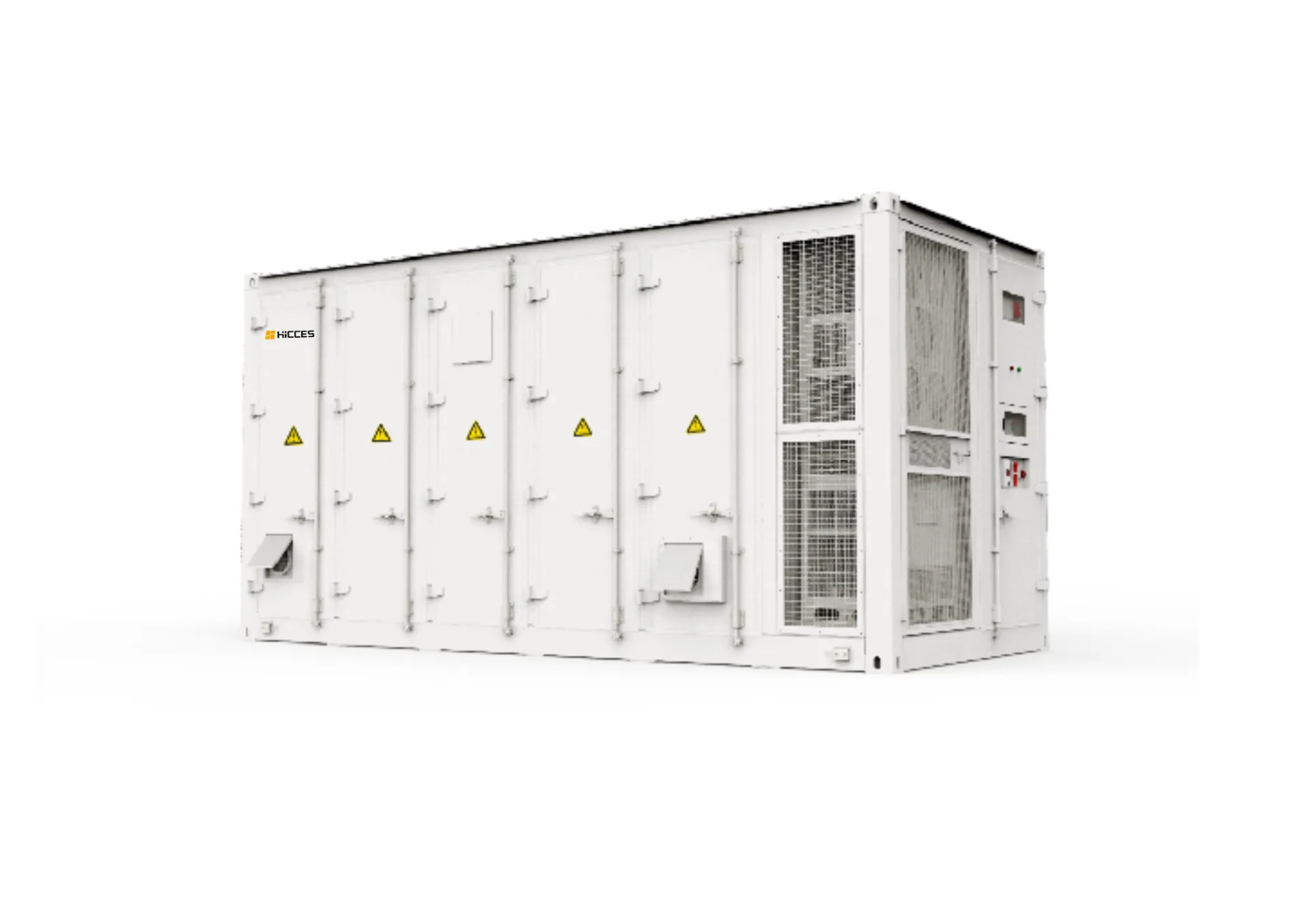
Visual representation of a modular Energy Storage Container System.
Technical Specifications: Standard 20ft Energy Storage Container System
Our Energy Storage Container System is engineered to deliver high performance and reliability. Below are typical specifications for a standard 20ft container111ized solution, demonstrating key parameters for B2B decision-makers.
| Parameter | Specification |
|---|---|
| Container Type | 20ft ISO Standard Shipping Container |
| Battery Chemistry | Lithium Iron Phosphate (LFP) |
| Nominal Energy Capacity | Up to 2.5 MWh |
| Rated Power Output | Up to 1.25 MW (Scalable) |
| DC Voltage Range | 700 V - 1500 VDC |
| Round-Trip Efficiency | > 90% |
| Cycle Life (80% DoD) | > 6,000 Cycles |
| Operating Temperature | -30°C to +55°C (with thermal management) |
| Cooling System | Integrated HVAC (Air/Liquid Cooling Options) |
| Communication Protocols | Modbus TCP/IP, CAN, Ethernet |
| Safety Features | Multi-tier BMS, Fire Suppression (Aerosol/Gas), Emergency Stop, Over-current/Voltage Protection |
| Certifications | CE, UL 1973, IEC 62619, TUV, ISO 9001 |
| Enclosure Rating | IP55 (Dust and Water Jet Protected) |
These specifications highlight the robust engineering and advanced technology integrated into each Energy Storage Container System, ensuring reliable performance across a spectrum of demanding applications.
Technical Advantages of Containerized Energy Storage
- Scalability and Modularity: The inherent modularity of container111ized systems allows for effortless scaling of power and energy capacity. Additional units can be deployed as demand grows, minimizing initial capital expenditure and maximizing return on investment. This plug-and-play architecture significantly reduces complexity in project planning and execution.
- Rapid Deployment: Manufactured and pre-commissioned off-site, these systems drastically cut down on-site installation time and civil works. This "fast-track" deployment capability is critical for projects with tight timelines, enabling quicker revenue generation and operational readiness.
- Enhanced Safety & Compliance: Integrated with advanced multi-level Battery Management Systems (BMS), sophisticated fire detection and suppression, and robust enclosure designs, these systems offer superior safety. Compliance with rigorous international standards (e.g., UL, IEC, NFPA) ensures operational integrity and mitigates risks.
- Optimized Thermal Management: Precision-controlled HVAC systems maintain an optimal internal temperature range, critical for extending battery lifespan and ensuring consistent performance, even in extreme climates. This active thermal management prevents degradation and maximizes energy throughput.
- Durability and Environmental Resistance: Constructed from high-strength, treated steel and rated to IP55 or higher, the container111s protect internal components from harsh environmental conditions including dust, moisture, and temperature extremes. This makes them suitable for deployment in remote, offshore, or industrial settings.
- Grid Support Capabilities: Beyond simple energy storage, these systems provide critical grid services such as frequency regulation, voltage support, black start capabilities, and synthetic inertia. This significantly enhances grid stability and reliability, especially with increasing renewable energy penetration.
- Reduced Operational & Maintenance Costs: Centralized control and remote monitoring capabilities streamline operations. The robust design and quality components minimize the need for frequent maintenance, leading to lower total cost of ownership over the system's extended service life.
Versatile Application Scenarios
The adaptability of an Energy Storage Container System makes it an invaluable asset across a multitude of sectors and operational requirements. Its modularity and integrated design enable seamless integration into existing infrastructure or greenfield projects.
- Utility-Scale Grid Support: Essential for modernizing national grids, these systems provide critical functions such as peak shaving to reduce stress on the grid during high demand, load leveling for optimal power flow, and firming for intermittent renewable energy sources like solar and wind farms, ensuring consistent power delivery. They also offer crucial ancillary services for frequency and voltage regulation.
- Commercial & Industrial (C&I) Facilities: Businesses can leverage these systems for demand charge management, significantly lowering electricity bills by reducing peak power consumption. They provide reliable backup power, ensuring operational continuity during grid outages, and optimize self-consumption from on-site renewables, enhancing energy independence and sustainability.
- Microgrids & Remote Electrification: In remote areas or island communities, container111ized storage systems form the backbone of resilient microgrids, often paired with solar or wind generation to replace diesel generators. This enables self-sufficient, cleaner, and more economical power supply, critical for mining operations, isolated villages, and disaster relief efforts.
- Electric Vehicle (EV) Charging Infrastructure: As EV adoption surges, high-power charging stations can impose significant strain on local grids. An energy storage system acts as a buffer, storing energy during off-peak hours and discharging it rapidly to support multiple fast chargers simultaneously, mitigating grid impacts and potentially reducing connection costs.
- Data Centers: Ensuring uninterrupted power supply is paramount for data centers. Containerized storage solutions serve as advanced UPS (Uninterruptible Power Supply) systems, offering rapid response to power fluctuations and extended backup capabilities, far surpassing traditional flywheel or lead-acid battery systems in efficiency and footprint.
Vendor Comparison: Evaluating Energy Storage Container Systems
Selecting the right Energy Storage Container System vendor requires a thorough evaluation of technical capabilities, system reliability, and service commitment. The table below outlines key comparison criteria and how a leading provider like Yanchun Gongxiang stands out.
| Criterion | Competitor A (General) | Competitor B (Specialized) | Yanchun Gongxiang (Our Offering) |
|---|---|---|---|
| Battery Chemistry | NMC or LFP | Primarily NMC | LiFePO4 (LFP) - Superior Safety & Longevity |
| Capacity Range (per 20ft) | 1-2 MWh | 1.5-2.2 MWh | Up to 2.5 MWh - Higher Energy Density |
| PCS Efficiency (Round Trip) | 88-90% | 89-91% | >90% - Optimized Energy Throughput |
| Thermal Management | Basic HVAC | Advanced Air Cooling | Integrated Precision HVAC (Air/Liquid Options) - Enhanced Battery Life |
| Safety Features | Standard BMS, Basic Fire Ext. | Advanced BMS, CO2 Fire Supp. | Multi-tier BMS, Aerosol/Gas Fire Suppression, Active Over-current/Voltage |
| Customization Level | Limited (Standard Models) | Moderate (Pre-defined Packages) | Extensive (Capacity, PCS, Controls, Environment Adaptation) |
| Certifications | CE, some UL/IEC | UL, IEC (region specific) | CE, UL 1973, IEC 62619, TUV, ISO 9001 (Global Compliance) |
| Warranty | 5-8 years (battery) | 8-10 years (battery) | 10 years / 6000 cycles (battery), 5 years (system) - Industry Leading |
Yanchun Gongxiang distinguishes itself through a commitment to LFP battery chemistry for its inherent safety and longer cycle life, coupled with superior energy density, advanced thermal management, and a comprehensive suite of safety features. Our dedication to global certification standards and flexible customization options ensures that clients receive a solution precisely tailored to their operational demands and regulatory environments.
Customized Solutions for Unique Requirements
Understanding that every energy project has unique parameters, Yanchun Gongxiang specializes in providing highly customized Energy Storage Container System solutions. Our engineering team works closely with clients to develop systems that precisely match specific power, energy, footprint, and environmental requirements.
- Tailored Capacity and Power: Systems can be configured with varying battery capacities (e.g., from 500 kWh to multi-MWh installations) and power outputs to align perfectly with load profiles, grid connection limits, and desired application durations.
- Specific Battery Chemistries: While LFP is standard, we can integrate other advanced battery chemistries based on project-specific trade-offs between energy density, power density, cost, and cycle life.
- Environmental Adaptations: For extreme climates (e.g., deserts, arctic regions), container111s can be modified with enhanced insulation, specialized heating/cooling systems, and robust anti-corrosion treatments beyond standard IP ratings.
- Advanced Control & SCADA Integration: Custom Energy Management System (EMS) functionalities can be developed to integrate seamlessly with existing Supervisory Control and Data Acquisition (SCADA) systems, providing advanced monitoring, predictive analytics, and optimized dispatch algorithms.
- Container Modifications: This includes specialized entry/exit points, unique cable routing, noise reduction measures for urban environments, or aesthetic considerations to blend with specific architectural contexts.
Our flexible manufacturing process and deep engineering expertise allow us to transform complex requirements into optimized, high-performing energy storage solutions, ensuring maximum operational efficiency and project success.
Application Case Studies
Real-world deployments showcase the tangible benefits and versatility of our Energy Storage Container System solutions.
Case Study 1: Enhancing Grid Stability for a European Utility
A major European utility sought to enhance grid stability and integrate a growing portfolio of renewable energy assets. Yanchun Gongxiang delivered a 10 MW / 20 MWh Energy Storage Container System, comprising eight 40ft container111 units. Deployed at a critical substation, the system provides rapid frequency regulation and reactive power support.
- Solution: Eight 40ft container111s, each with 2.5 MWh capacity and 1.25 MW power.
- Impact: Achieved over 98% uptime in providing ancillary services, demonstrably improved grid frequency response, and generated significant revenue through participation in balancing markets.
Case Study 2: Industrial Peak Shaving for a Manufacturing Giant
A multinational automotive manufacturer with high energy consumption aimed to reduce its substantial electricity bills, particularly high demand charges. We implemented a 2 MW / 4 MWh Energy Storage Container System at their main facility.
- Solution: Two 40ft container111ized units, strategically placed near the main load centers.
- Impact: Reduced peak demand by an average of 30% during critical periods, leading to a 20% reduction in monthly electricity costs and a projected ROI within 4 years. The system also provides crucial backup power for sensitive production lines.
Case Study 3: Remote Mine Site Microgrid Integration
A remote mining operation in Western Australia sought to reduce its reliance on costly and environmentally impactful diesel generators. We provided a hybrid microgrid solution, integrating solar PV with a 1.5 MW / 3 MWh Energy Storage Container System.
- Solution: One 40ft container111 and one 20ft container111 integrated with a 5 MW solar farm and existing diesel gensets.
- Impact: Achieved an average of 65% renewable energy penetration, saving approximately 1.5 million liters of diesel fuel annually, significantly reducing operational costs and carbon emissions. Provided stable power for critical mining infrastructure 24/7.
Trust and Authority: Certifications, Support, and Guarantees
Yanchun Gongxiang upholds the highest standards of quality, safety, and customer satisfaction, earning trust through robust certifications, clear commitments, and unparalleled support. With over 15 years of expertise in advanced engineering and manufacturing, our systems are designed for long-term reliability. We are proudly certified with ISO 9001 for Quality Management, ISO 14001 for Environmental Management, and ISO 45001 for Occupational Health & Safety, underscoring our comprehensive commitment to operational excellence and responsible manufacturing. Our components and systems regularly pass stringent third-party tests and hold certifications such as UL 1973, IEC 62619, and CE, validating their performance and safety.
Frequently Asked Questions (FAQ)
- Q: What is the typical lifespan of an Energy Storage Container System?
A: Our LFP battery systems typically offer a service life of 10-15 years or >6,000 cycles at 80% Depth of Discharge (DoD), whichever comes first. The container111 structure and associated power electronics are designed for a service life exceeding 20 years. - Q: What safety features are integrated into your systems?
A: Our systems incorporate multi-tier safety. This includes an advanced Battery Management System (BMS) for real-time cell monitoring and protection, automatic fire detection and inert gas/aerosol suppression systems, emergency stop buttons, and robust electrical protection against over-current, over-voltage, and short circuits. - Q: Can the system be monitored and controlled remotely?
A: Yes, every system is equipped with a sophisticated Energy Management System (EMS) and communication interfaces (Modbus TCP/IP, Ethernet, CAN) that enable comprehensive remote monitoring, control, diagnostics, and data logging. This allows for optimized operation and proactive maintenance from anywhere in the world. - Q: What maintenance is required for an Energy Storage Container System?
A: Due to the robust design and advanced control systems, maintenance requirements are minimal. Routine checks typically involve visual inspections, verification of cooling system performance, and periodic software updates. Detailed maintenance schedules are provided with each system.
Lead Time & Fulfillment
Standard Energy Storage Container System configurations typically have a lead time of 12-16 weeks from order confirmation to Factory Acceptance Testing (FAT). Highly customized solutions may extend this timeframe to 18-24 weeks, depending on the complexity of specifications. We manage global logistics, ensuring efficient and secure delivery to your project site.
Warranty Commitments
Yanchun Gongxiang offers comprehensive warranties to protect your investment:
- Battery Warranty: 10 years or 6,000 cycles (whichever comes first), guaranteeing minimum 80% remaining capacity.
- System Warranty: 5 years for the PCS, BMS, container111, and auxiliary components.
- Extended warranty options are available upon request.
Customer Support & After-Sales Service
Our commitment extends far beyond delivery. Yanchun Gongxiang provides:
- 24/7 Technical Support: A dedicated team available around the clock for immediate assistance.
- Remote Diagnostics: Capabilities to remotely monitor system performance and troubleshoot issues, minimizing downtime.
- On-Site Service: Skilled field engineers available for installation support, commissioning, and any necessary on-site maintenance or repairs.
- Training Programs: Comprehensive training for client personnel on system operation, monitoring, and basic maintenance.
- Spare Parts Availability: A robust global supply chain ensures timely availability of critical spare parts.
Conclusion
The Energy Storage Container System represents a critical advancement in modern energy infrastructure, offering unparalleled scalability, rapid deployment, and robust performance for a diverse range of applications. From enhancing grid stability for utility companies to optimizing energy consumption for industrial facilities and powering remote microgrids, these systems are pivotal to achieving a resilient, sustainable, and efficient energy future. Yanchun Gongxiang is committed to delivering state-of-the-art, reliable, and customized energy storage solutions that meet the evolving demands of the global energy transition. Our deep engineering expertise, stringent quality control, and comprehensive after-sales support ensure that our partners receive not just a product, but a complete, high-performance energy solution designed for long-term value.
References
- BloombergNEF. (2023). Energy Storage Market Outlook. [Industry Report].
- International Renewable Energy Agency (IRENA). (2020). Battery Storage for Renewables: Market Status and Technology Outlook. [Report].
- U.S. Department of Energy (DOE) Global Energy Storage Database. [Online database].
- IEEE. (2022). Journal of Power and Energy Systems. [Academic Journal].
- National Fire Protection Association (NFPA) 855. Standard for the Installation of Stationary Energy Storage Systems. [Safety Standard].