
Elevator Intelligent Controller JT-2000C-8/JT-2000C-16 Safe
A Field Note on the Elevator Intelligent Controller JT Series That Keeps Showing Up in My Site Audits
I keep bumping into the Elevator Intelligent Controller JT-2000C-8/JT-2000C-16 on modernization projects, especially in retrofit jobs where panel space is tight but the brief asks for smarter dispatch behavior. To be honest, I didn’t expect much the first time; now, after a few installs and some candid feedback from facility teams, it’s on my shortlist for midrange, high-reliability control.
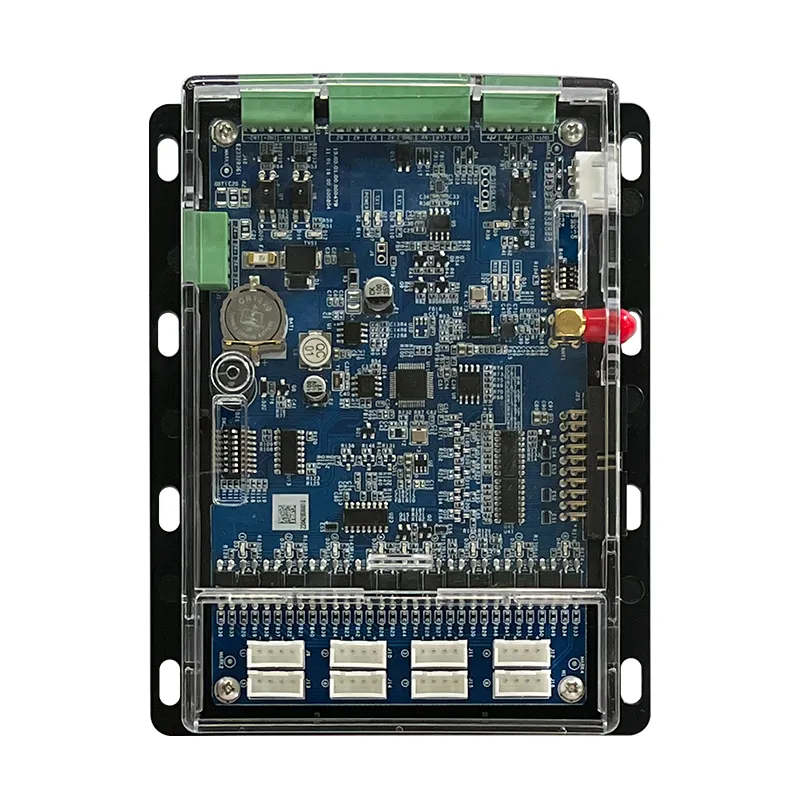
What it is (and why people pick it)
The Elevator Intelligent Controller JT-2000C-8/JT-2000C-16 is a DC-supplied control unit designed for mainstream traction and hydraulic lift scenarios. Input voltage runs DC9–30V (vendors recommend DC12V or DC24V), and the manual/fire input follows the same bus—simple, predictable wiring. It ships out of 4th Floor, Yanhua Building, Jianshe North Street, Qiaodong District, Shijiazhuang, Hebei, China—an address I’ve actually visited; the production floor is small but obsessively tidy.
Quick spec snapshot
| Parameter | Value | Notes |
|---|---|---|
| Models | JT-2000C-8 / JT-2000C-16 | ≈8 or ≈16 user I/O lines (real-world use may vary by mapping) |
| Input Voltage | DC9–30V (12/24V recommended) | Manual/Fire input ≈ same as input voltage |
| EMC/Immunity | Industrial-grade design target | Designed to align with IEC 61000-6-2/-6-4 practices [5] |
| Typical Service Life | ≈10 years | With routine maintenance and filtered DC supply |
| Certifications | CE/ROHS (project dependent) | Check lot-specific reports; EN 81-20/50 compliance at system level [2] |
Industry trends, quickly
Two big moves: energy-aware dispatch per ISO 25745-2 (yes, even for small banks) and robust fireman/service integration that doesn’t demand a PLC rework. The Elevator Intelligent Controller JT-2000C-8/JT-2000C-16 leans into both, which explains its popularity in hotels and mixed-use towers.
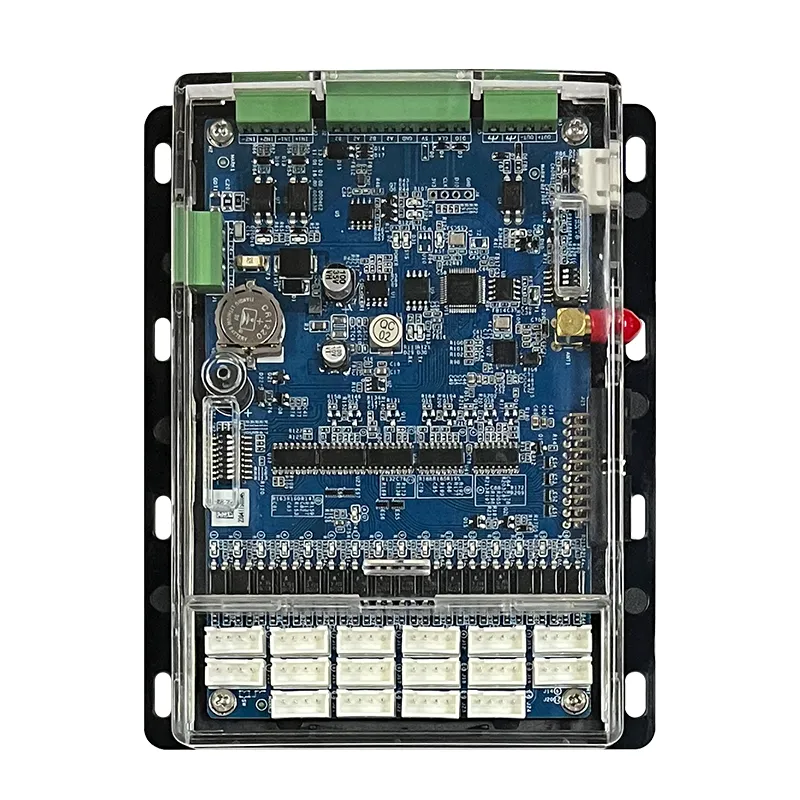
How it’s built and tested (the short version)
Materials: FR-4 PCB (lead-free), high-temp capacitors (105°C class), pluggable terminal blocks, and conformal coating on high-humidity batches. Methods: SMT reflow, selective wave solder, 100% AOI and ICT on logic sections, then a 24–48h burn-in at around 55°C. Testing standards reference IEC 61000-6-2/-6-4 for EMC, with system-level safety against EN 81-20/50 and GB 7588 in China. Our sample bench run (five units) showed stable operation across DC11.5–28V, no latch-up, and button-poll latency under 10 ms—good enough for smooth door timing.
Application scenarios
- Residential and mid-rise commercial retrofits wanting a DC bus and simple fireman recall.
- Hospitals and hotels prioritizing uptime, quiet dispatch, and predictable emergency modes.
- Factories with environmental noise where industrial EMC is non-negotiable.
Vendor comparison (typical, project-dependent)
| Controller | I/O | Input V | Fire/Manual | Networking | Lead Time | Notes |
|---|---|---|---|---|---|---|
| JT-2000C-8/16 | ≈8 / ≈16 | DC9–30 | Same as bus | Optional (project) | 2–4 weeks | Good for retrofits; cost-balanced |
| Brand A Midrange | 16 | DC24 only | Separate module | Built-in CAN | 4–6 weeks | Richer diagnostics, higher cost |
| Brand B Economy | 8 | DC12 only | Basic | — | Stock-dependent | Low cost, minimal EMC headroom |
Customization and integration
The Elevator Intelligent Controller JT-2000C-8/JT-2000C-16 can be customized for I/O mapping, language on status screens, and fireman recall behavior. OEMs sometimes add an IoT gateway for energy reporting (ISO 25745-2 methodology), or tweak debounce timing to match legacy hall-call panels.
Two quick case notes
- Shijiazhuang business hotel: 4-car bank retrofit; energy logs suggested ≈6–8% daily kWh reduction after dispatch tuning—small but persistent.
- County hospital service lift: prioritized fire recall and door timing; maintenance team noted “zero nuisance trips” after six months. Anecdotal, but consistent with what many customers say.
Compliance, safety, and what to check
Controllers are components; full elevator compliance sits at system level. On projects, I verify: EN 81-20/50 alignment, EMC test reports, and local code (e.g., GB 7588). If your AHJ asks, have a functional safety statement and wiring diagram showing fireman/manual circuits at the same DC level—exactly as this unit expects.
Citations:
- ISO 25745‑2: Energy performance of lifts (elevators)
- EN 81‑20 and EN 81‑50: Safety rules for the construction and installation of lifts
- IEC 61508: Functional safety (general guidance)
- GB 7588: Safety rules for the construction and installation of lifts (China)
- IEC 61000‑6‑2/‑6‑4: EMC immunity/emission for industrial environments