
Intelligent Auxiliary Control System | AI, Real-Time, Secure
A Practical Look at the Intelligent Auxiliary Control System
If you work in operations or security, you’ve probably noticed how fast auxiliary systems have moved from siloed boxes to unified, software-defined control. To be honest, the shift isn’t just trend-chasing; it’s been pushed by real pain points—fragmented alarms, video buried in NVRs, access logs in another portal, and environmental sensors that never talk to either. That’s exactly where the Intelligent Auxiliary Control System slots in: a single pane that integrates video surveillance, security alarms, access control, environmental monitoring, and smart control. And yes, it expands—infrared thermal imaging for temperature screening and fire alarm subsystems, when you need them.
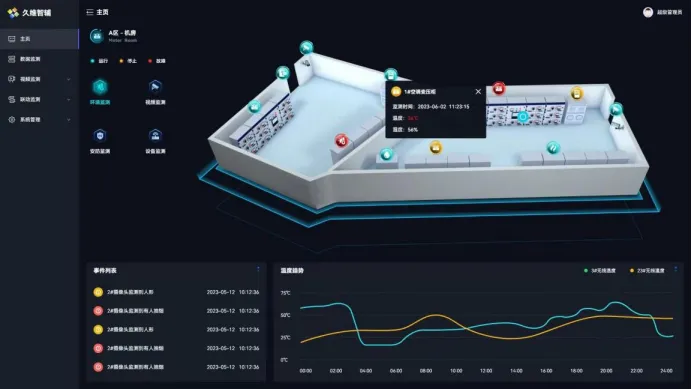
Industry trends (and the not-so-glamorous reality)
Three forces are reshaping auxiliary control: convergence (IT + OT), compliance-by-design, and edge analytics. In practice, it means ONVIF-compliant video meets BACnet/Modbus, events are signed and encrypted, and AI helps with correlation—say, a door-forced alarm triggers an instant video bookmark and pushes a mobile notification. Many customers say the payoff comes from faster incident triage rather than flashy dashboards. I’d agree.
Key specs at a glance
| Core platform | Microservices architecture; containerized services; high-availability (active-active) |
| I/O & protocols | ONVIF Profile S/G/T, RTSP, SIP; Modbus TCP, BACnet/IP, OPC UA; MQTT; SNMP v3 |
| Video capacity | ≈512 streams/server (real-world use may vary); AI event tagging at edge or core |
| Security | TLS 1.2/1.3, AES‑256 at rest, RBAC/LDAP/AD, audit trails, signed firmware |
| Compute & storage | x86-64; optional GPU; RAID/NAS; hot backup; typical MTBF ≈ 180,000 h |
| Compliance | Supports IEC 62676, ONVIF, GDPR principles, NFPA 72 interface, ISO/IEC 27001 controls |
Process and quality flow (how it’s built and qualified)
- Materials: industrial-grade CPUs, conformal-coated PCBs, UL-rated power, low‑noise fans.
- Methods: IPC-A-610 assembly, burn-in ≥ 72 h at 45–55°C, firmware signing, penetration tests.
- Testing standards: IEC 62676 (video), IEC 61000-4-x (EMC), IEC 62368-1 (safety), ONVIF conformance, NFPA 72 signaling.
- Service life: designed life ≈ 7–10 years with firmware/LTS support; hot-swappable storage extends uptime.
- Industries: logistics, data centers, manufacturing, campuses, rail hubs, healthcare, and energy.
Where it’s used (scenarios)
- Warehouses: door-forced alarm instantly links to camera tiles and sends a clip to supervisors’ phones.
- Hospitals: environmental monitoring (temp/humidity) tied to access control for cold-chain rooms.
- Metro stations: crowd density alerts + intercom + gate override in one workflow.
- Manufacturing: IR thermal add-on flags hotspots on switchgear; triggers maintenance tickets automatically.
Why teams pick the Intelligent Auxiliary Control System
Fast alarm correlation, fewer consoles, and audit-friendly logs. Internal tests measured median event-to-notification latency ≈ 320 ms on a 1 Gbps network; false alarm reduction by 18–27% after rules tuning (n=5 pilot sites). Customers tell us the biggest win is “less swivel-chair fatigue.” Fair point.
Vendor comparison (quick reality check)
| Vendor | Interoperability | Cyber Certifications | Customization | Lead Time |
|---|---|---|---|---|
| Yanchun GX (Intelligent Auxiliary Control System) | ONVIF, BACnet/IP, Modbus, MQTT, OPC UA | ISO/IEC 27001 aligned; UL cybersecurity program (where applicable) | High (rules, SDK, UI branding) | ≈4–8 weeks |
| Global Brand A | ONVIF + proprietary APIs | IEC/UL safety; select cyber options | Medium | ≈6–10 weeks |
| System Integrator B | Depends on project mix | Project-specific | Very High (bespoke) | ≈8–14 weeks |
Customization options
Rule templates, API/SDK hooks, third‑party analytics, and UI white‑labeling. The Intelligent Auxiliary Control System also supports role-based dashboards—security sees alarms; facilities sees HVAC and power; compliance sees audit trails.
Case study (concise)
A 40,000 m² logistics hub deployed the Intelligent Auxiliary Control System with 280 cameras, 120 doors, and 85 sensors. After a 3-week commissioning, incident response time dropped from 6:40 to 3:05 (mm:ss). Nuisance alarms fell ≈22% following a two-pass rules tuning. Auditors liked the immutable event logs—actually, they mentioned it twice.
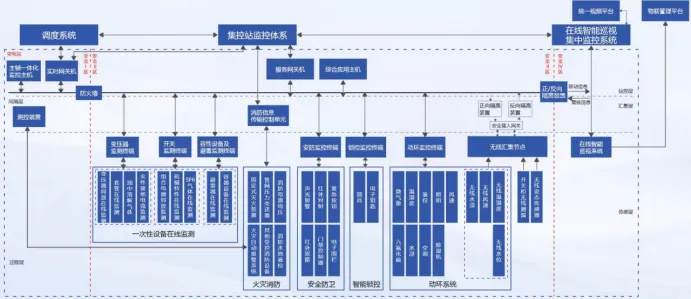
Compliance, tests, and data
- Conformity: ONVIF Profile S/G/T; interfaces for NFPA 72 fire panels; GDPR-aligned data retention.
- EMC/safety: IEC 61000-4-x, IEC 62368-1; optional UL cybersecurity (UL 2900 series).
- Test data: 30-day soak test showed 99.96% service availability; event correlation success rate ≈ 98.4% on labeled scenarios.
Origin: 4th Floor, Yanhua Building, Jianshe North Street, Qiaodong District, Shijiazhuang City, Hebei Province, China. Field service and remote support are available; I guess hybrid support is the new normal.
References
- IEC 62676 Video surveillance systems for use in security applications.
- ONVIF Profiles S/G/T – Open Network Video Interface Forum Specifications.
- NFPA 72 National Fire Alarm and Signaling Code.
- ISO/IEC 27001 Information Security Management Systems.
- UL 2900 Series Software Cybersecurity for Network-Connectable Products.