The global demand for flexible, rapid-deployment housing has surged as urbanization increases and the need for emergency shelters becomes more critical. A foldable tiny house represents a paradigm shift in architectural engineering, combining the durability of industrial steel with the convenience of a collapsible design. By reducing transportation costs and eliminating lengthy on-site construction, these structures provide an immediate solution to housing shortages and temporary lodging needs.
From a technical perspective, the evolution of the foldable tiny house is rooted in advanced metal fabrication and modular design. Unlike traditional prefabricated homes, these units can be shipped in a compact form and expanded in a matter of hours, making them ideal for remote industrial sites or disaster-stricken regions. The integration of high-strength galvanized steel and energy-efficient insulation ensures that these homes are not just temporary fixes, but viable, long-term living spaces.
Understanding the nuances of these structures—ranging from the 10ft compact models to the expansive 40ft family-sized units—is essential for developers, NGOs, and private homeowners alike. By prioritizing scalability and structural integrity, the foldable tiny house addresses the urgent global challenge of creating dignified, affordable, and sustainable shelter without the environmental footprint of traditional masonry.
Global Relevance and Industry Context
The current global housing crisis, exacerbated by rapid population growth and natural disasters, has forced a re-evaluation of how we build. According to data aligned with UN-Habitat goals, millions of people lack access to adequate shelter, while the cost of traditional construction continues to skyrocket. The foldable tiny house emerges as a critical industrial response, offering a way to decouple shelter from the slow and expensive traditional building process.
In the metal structures industry, the shift toward "fast-deployment" architecture is driven by the need for agility. Whether it is providing rapid housing for displaced populations or creating workforce camps in remote mining zones, the ability to transport multiple units in a single shipping container drastically reduces the carbon footprint and logistical overhead. This efficiency is why modular folding technology is now being adopted by governments and private enterprises worldwide.
Defining the Foldable Tiny House Concept
At its core, a foldable tiny house is a prefabricated residential unit designed with a hinged structural frame that allows the walls and roof to collapse into a compact, flat-packed state. Once delivered to the site, the house "unfolds" or expands—often utilizing a combination of mechanical jacks and manual locking systems—to create a fully functional living space. This differs from traditional container homes, which are rigid and require heavy cranes for every move.
From an industrial standpoint, these homes are a fusion of automotive-grade precision and architectural stability. They typically utilize galvanized steel frames to prevent corrosion and sandwich panels for thermal insulation. This makes them highly adaptable; a 20ft expandable model can serve as a studio apartment, while a 40ft unit can be configured as a multi-room family home, bridging the gap between a tent and a permanent brick-and-mortar building.
The humanitarian significance of this technology cannot be overstated. In the wake of earthquakes or floods, the time it takes to provide a weatherproof, secure environment is the difference between survival and catastrophe. By transforming a shipping-sized package into a dignified home in under an hour, the foldable tiny house provides not just shelter, but a sense of normalcy and security for those in crisis.
Core Components and Engineering Factors
The structural integrity of a foldable tiny house depends heavily on the quality of its hinges and locking mechanisms. These components must withstand repeated folding cycles without losing alignment, ensuring that once expanded, the house is airtight and watertight. High-tensile steel is typically employed in the chassis to support the overall weight and provide a stable foundation on uneven terrain.
Thermal efficiency is another critical factor. Most premium foldable tiny house models utilize EPS or polyurethane sandwich panels. These materials provide a high R-value, meaning they keep the interior warm in winter and cool in summer, reducing the reliance on energy-intensive HVAC systems and making the home sustainable in diverse climates from the Arctic to the Tropics.
Scalability is achieved through standardized dimensions. By adhering to ISO shipping container standards (10ft, 20ft, 30ft, and 40ft), these homes can be transported via any standard logistics network. This standardization ensures that the foldable tiny house remains a globally viable product, easily integrated into existing ports and trucking infrastructures.
Practical Applications and Use Cases
In the commercial sector, the foldable tiny house is frequently used to create rapid-deployment worker villages for infrastructure projects. For instance, in remote mining or pipeline installations, companies can deploy an entire village of 20ft expandable units in a few days, providing workers with safe, insulated housing that can be folded up and removed once the project is complete, leaving the land undisturbed.
Beyond industrial use, these homes are gaining popularity in the "tiny living" and tourism markets. Eco-resorts are utilizing 30ft and 40ft foldable units to create low-impact luxury cabins. Because the installation requires minimal ground disturbance (often just a few concrete pads), they are perfect for protected natural areas where traditional construction is prohibited.
Performance Comparison of Foldable Tiny House Configurations
Long-Term Value and Sustainability
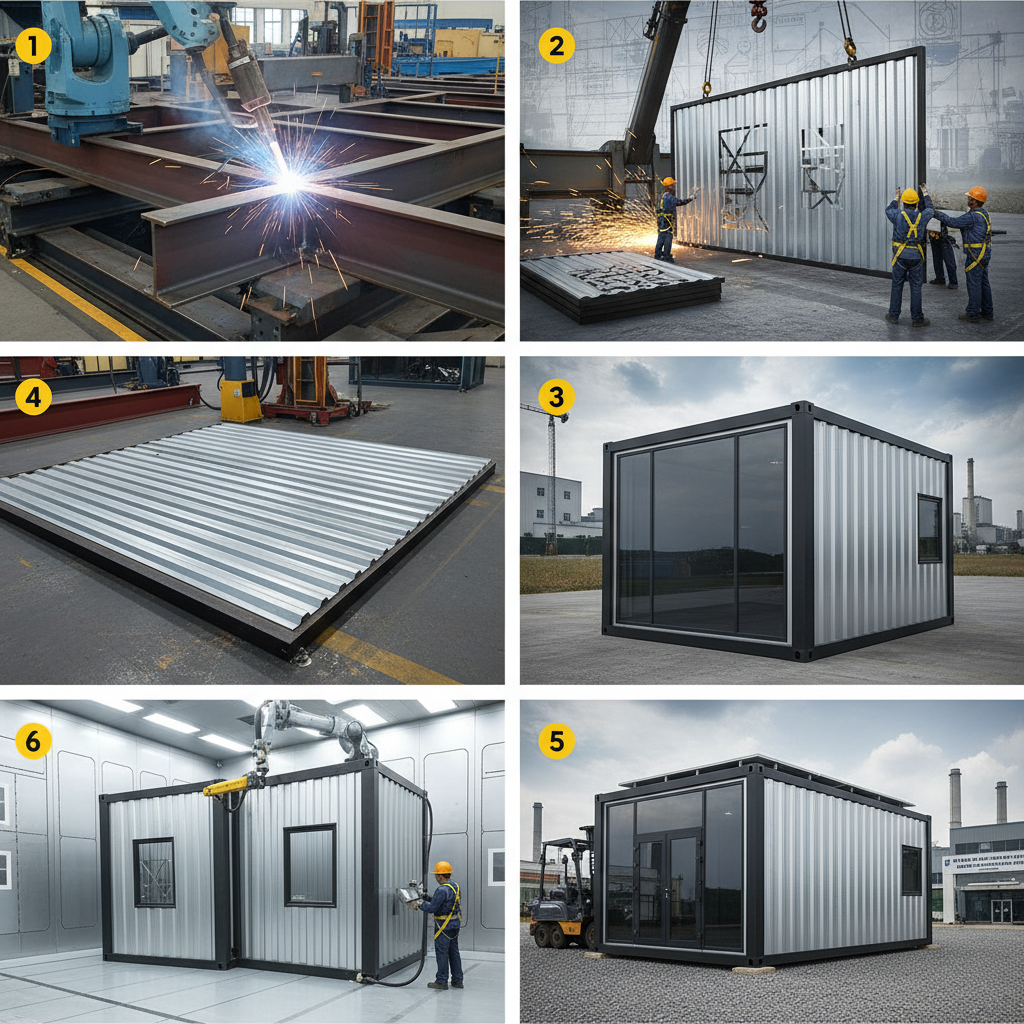
The long-term value of a foldable tiny house lies in its inherent sustainability. Traditional construction generates immense waste, with tons of debris ending up in landfills. In contrast, foldable units are manufactured in controlled factory settings with precision cutting, which minimizes material waste and ensures that every piece of steel and insulation is used efficiently.
Furthermore, these homes encourage a lower-consumption lifestyle. By optimizing square footage and utilizing multi-functional furniture, residents reduce their energy usage for heating and cooling. The ability to relocate the house means that the asset maintains its value regardless of the land's tenure, providing a level of financial security and mobility that traditional homes simply cannot offer.
Future Trends in Modular Housing
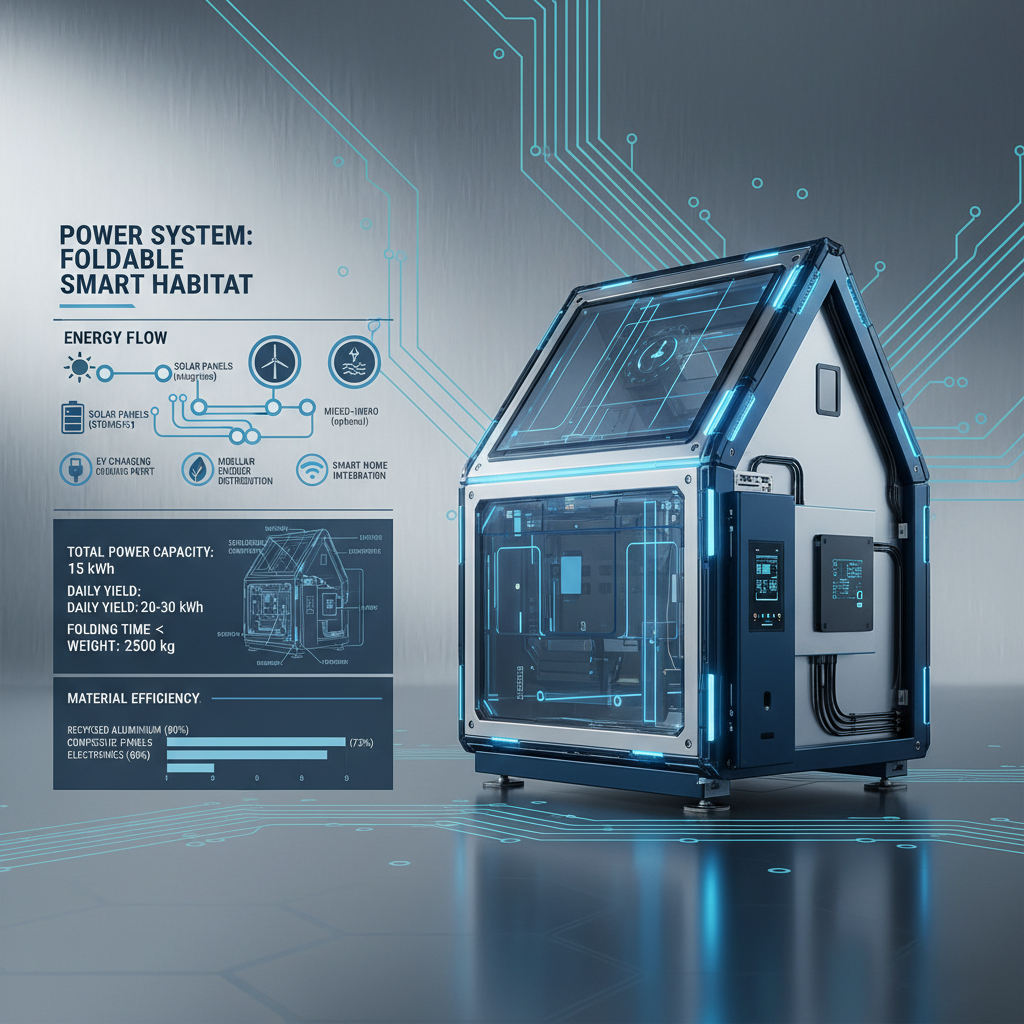
As we move toward a more digitized construction landscape, the foldable tiny house is beginning to integrate Smart Home technologies. We are seeing the emergence of units with integrated IoT sensors that monitor structural health, energy consumption, and indoor air quality. In the future, we expect to see "self-deploying" units that use automated hydraulic systems to unfold themselves upon arrival.
Sustainability is also evolving with the introduction of "Green" materials. Research is currently focused on replacing traditional steel with recycled alloys and integrating organic, bio-based insulation materials. The goal is to create a carbon-neutral home that can be fully recycled at the end of its life cycle, turning the modular home into a circular economy product.
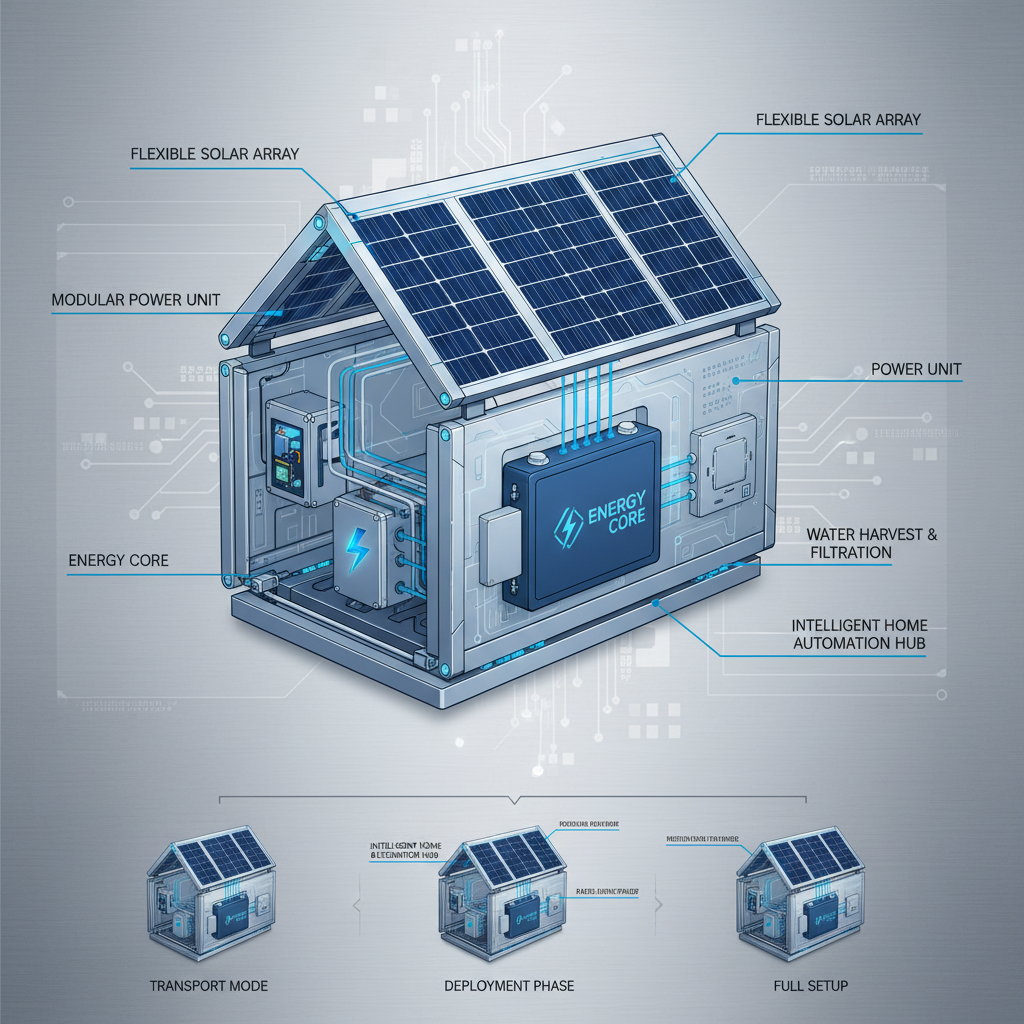
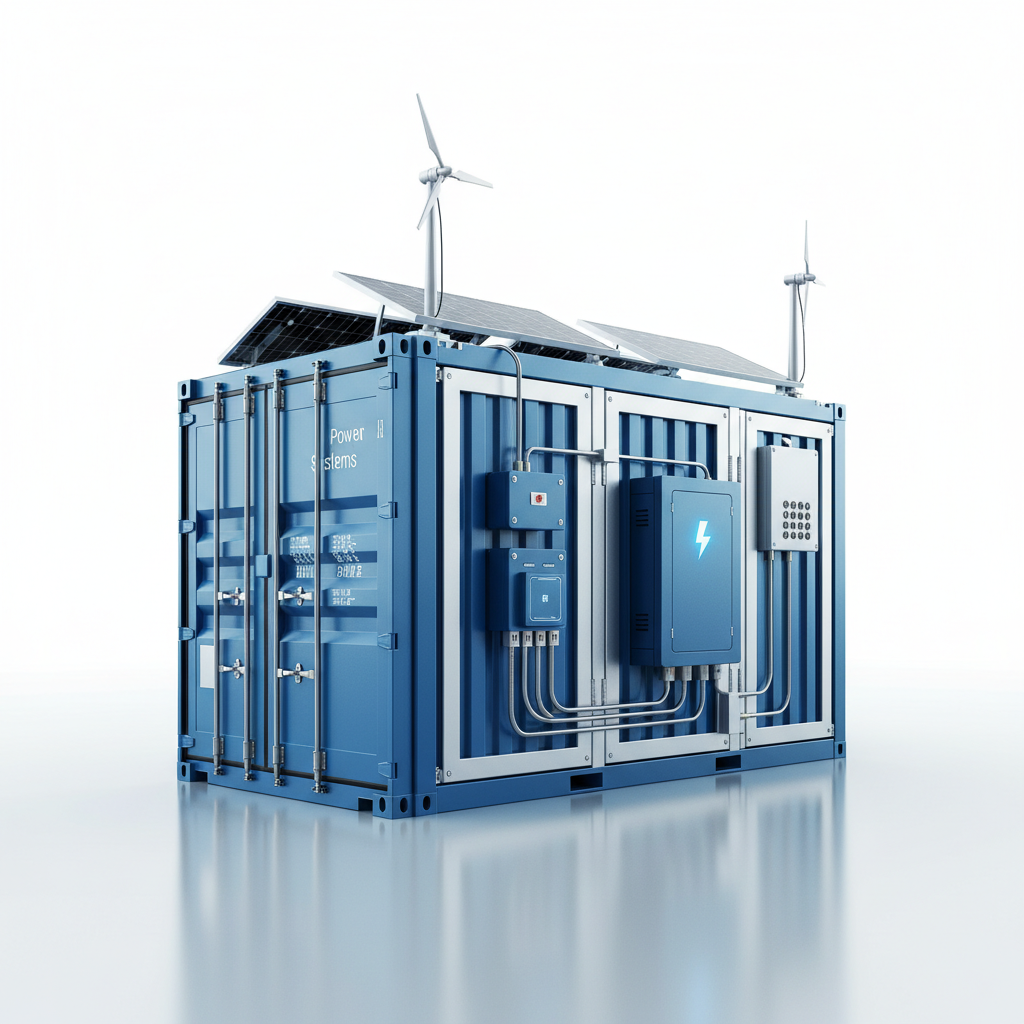
Energy independence is the final frontier. The integration of thin-film solar panels directly into the roof panels of the foldable tiny house will allow these units to operate entirely off-grid. This will transform them from mere shelters into autonomous power hubs, capable of providing electricity and clean water through integrated filtration systems, even in the most remote corners of the globe.
Overcoming Implementation Challenges
Despite the advantages, the adoption of the foldable tiny house faces hurdles, primarily regarding zoning laws and building codes. Many municipal regulations are designed for permanent foundations and traditional materials, making it difficult for modular owners to obtain legal permits. The solution lies in the industry's move toward international certifications (such as ISO and CE), which provide standardized proof of safety and quality.
Another common concern is the perception of "temporary" quality. To combat this, manufacturers are focusing on "hybrid" designs that allow foldable houses to be permanently anchored to a concrete slab, effectively turning a foldable unit into a permanent residence. By enhancing the interior finishes with high-grade flooring and cabinetry, the gap between "shelter" and "home" is being closed.
Logistical challenges in developing nations also persist. While these units are easy to ship, the "last mile" delivery to remote villages often requires specialized equipment. Expert insights suggest that partnering with local cooperatives and providing simplified, tool-free assembly manuals can democratize access to these homes, ensuring they reach the people who need them most.
Comparative Analysis of Foldable Tiny House Model Specifications
|
Model Size
|
Deployment Time
|
Insulation Rating
|
Durability Score (1-10)
|
| 10ft Expandable |
15-30 Minutes |
Standard EPS |
8.5 |
| 20ft Expandable |
30-60 Minutes |
High-Density PU |
9.0 |
| 30ft Expandable |
1-2 Hours |
High-Density PU |
8.8 |
| 40ft Expandable |
2-4 Hours |
Premium Rockwool |
9.2 |
| Custom Industrial |
Variable |
Customized |
9.5 |
| Emergency Relief |
10-20 Minutes |
Basic EPS |
7.5 |
FAQS
The primary advantage is the extreme reduction in transport volume. Traditional modular homes are shipped as full-sized boxes, which is expensive and requires heavy machinery. A foldable tiny house can be collapsed, allowing multiple units to be shipped in a single container, drastically lowering logistics costs and allowing for deployment in areas where large cranes are unavailable.
With a galvanized steel frame and high-quality weather-resistant coatings, a well-maintained foldable tiny house can last 15 to 25 years. The durability depends on the grade of steel used and the quality of the seals. For extreme environments, we recommend adding an external cladding layer to further protect the structural shell from UV radiation and saltwater corrosion.
Yes, significantly. They are produced in factories where material waste is strictly controlled. Additionally, their mobility means they don't require permanent concrete foundations that permanently alter the landscape. When combined with solar panels and composting toilets, they provide a near-zero-impact living solution that supports environmental conservation goals.
Absolutely. The interior layout of a foldable tiny house can be completely customized. By modifying the internal partitions and installing specific equipment, a 20ft or 40ft unit can be easily converted into a mobile medical clinic, a professional home office, or a retail pop-up shop without compromising the structural folding mechanism.
Since foldable houses adhere to ISO shipping standards, they are treated as standard cargo, simplifying customs clearance. NGOs typically coordinate with manufacturers to ensure all units carry the necessary CE or ISO certifications, and they utilize "flat-pack" shipping to maximize the number of shelters delivered per shipment, reducing the overall cost per beneficiary.
While a professional team ensures the fastest and most precise setup, most foldable tiny house models are designed for user-friendly assembly. With a small team of 2-4 people and basic tools, a standard unit can be expanded. However, professional installation is recommended for the electrical and plumbing connections to ensure safety and compliance with local codes.
Conclusion
The foldable tiny house is more than just a temporary shelter; it is a sophisticated synthesis of industrial metalwork and modern architectural needs. By solving the critical tension between durability and mobility, these structures provide a scalable answer to the global housing crisis, offering everything from emergency relief to sustainable, luxury living. The shift toward modularity, efficiency, and environmental consciousness makes this technology a cornerstone of future urban and rural development.
As we look forward, the integration of green energy and smart technology will only enhance the value of these homes, making them truly autonomous living spaces. For those seeking a flexible, cost-effective, and high-quality housing solution, transitioning to modular foldable systems is a logical and forward-thinking choice. Discover the future of living today. Visit our website: www.yanchungongxiang.com