
Intelligent Auxiliary Control System | Boost Efficiency & Precision
Introduction to Advanced Industrial Control
In the rapidly evolving landscape of industrial automation, the demand for sophisticated, reliable, and efficient control mechanisms is paramount. Industries ranging from petrochemical to metallurgy and water treatment require systems that can not only manage complex operations but also anticipate issues, optimize performance, and integrate seamlessly with broader digital ecosystems. This necessity has given rise to a new generation of control solutions, exemplified by the Intelligent Auxiliary Control System.
This advanced system represents a significant leap forward from traditional control paradigms, leveraging cutting-edge technologies like Artificial Intelligence, Machine Learning, and the Internet of Things (IoT) to provide unparalleled operational insight and automation. Its design is focused on enhancing operational stability, reducing energy consumption, extending equipment lifespan, and ensuring compliance with stringent industry standards, thereby delivering substantial return on investment for industrial stakeholders.
The subsequent sections will delve into the intricate details of its manufacturing, technical prowess, diverse applications, strategic advantages, and the comprehensive support infrastructure that underscores its reliability and user confidence.
Industry Trends Driving Intelligent Automation
The industrial sector is undergoing a profound transformation, often referred to as Industry 4.0. Key trends include the pervasive adoption of IoT devices for real-time data collection, the integration of AI/ML for predictive analytics and process optimization, and the increasing demand for cyber-physical systems that bridge the gap between digital and physical operations. These trends necessitate control systems that are not merely reactive but truly proactive and adaptive.
- Digital Twin Technology: Creating virtual replicas of physical assets and processes to simulate performance, predict failures, and optimize operations.
- Predictive Maintenance: Moving from reactive or scheduled maintenance to data-driven predictions of equipment failure, minimizing downtime and costs.
- Energy Efficiency Mandates: Stricter environmental regulations and the rising cost of energy compel industries to adopt solutions that minimize energy consumption.
- Enhanced Cybersecurity: As control systems become more interconnected, robust cybersecurity features are no longer optional but critical for operational integrity and data protection.
- Human-Machine Interface (HMI) Evolution: Intuitive, mobile-compatible HMIs are becoming standard, offering operators greater flexibility and real-time insights from anywhere.
The Intelligent Auxiliary Control System is engineered to meet these challenges head-on, providing a future-proof solution that integrates these emerging technologies to deliver superior operational performance and strategic value.
Manufacturing Process Flow of the Intelligent Auxiliary Control System
The production of an Intelligent Auxiliary Control System involves a meticulously controlled, multi-stage process designed to ensure precision, reliability, and adherence to the highest international quality standards. Each component, from the base materials to the integrated circuits, undergoes rigorous scrutiny.
Key Stages:
- Material Sourcing & Preparation: High-grade industrial-grade alloys (e.g., 316L stainless steel for corrosion resistance), advanced polymer composites for enclosures, and certified electronic components are sourced. Raw materials undergo spectrophotometric analysis to confirm composition.
- Component Manufacturing:
- Casting & Forging: For structural elements requiring extreme durability and load-bearing capacity, precision casting or forging processes are employed, followed by heat treatment to achieve desired mechanical properties.
- CNC Machining: Complex parts, such as valve bodies or sensor housings, are crafted using multi-axis CNC machining, ensuring micron-level accuracy and surface finish.
- PCB Fabrication: Printed Circuit Boards are manufactured in cleanroom environments, incorporating surface-mount technology (SMT) for component placement and multi-layer designs for signal integrity.
- Assembly & Integration: Modular assembly allows for efficient integration of electronic sub-assemblies, power modules, communication interfaces, and robust industrial enclosures. Robotics are often used for precision assembly tasks.
- Software & Firmware Loading: Proprietary control algorithms, AI/ML models, and system firmware are securely loaded and configured onto the hardware. This includes initial calibration parameters.
- Functional & Environmental Testing: Each system undergoes a series of stringent tests:
- Electrical & Communication Tests: Verifying signal integrity, power supply stability, and communication protocol compliance (e.g., Modbus, Profinet, Ethernet/IP).
- Environmental Stress Screening (ESS): Subjecting the system to extreme temperatures, humidity, vibration, and electromagnetic interference (EMI) to ensure robust performance under harsh industrial conditions.
- Performance Calibration: Fine-tuning sensors and actuators to specified operating parameters.
- Quality Assurance & Certification: Compliance with international standards such as ISO 9001 for quality management, ISO 27001 for information security, ANSI/ISA standards for industrial automation, and often industry-specific certifications like ATEX for hazardous environments. A final comprehensive audit ensures all specifications are met.
- Packaging & Shipping: Secure, anti-static packaging designed for industrial transport, ensuring product integrity upon delivery.
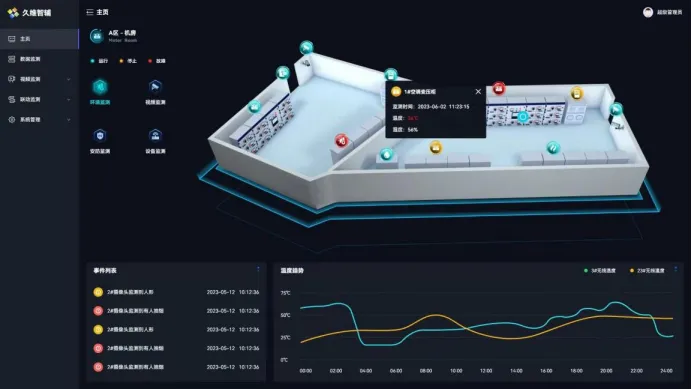
This meticulous manufacturing regimen, combined with a projected service life exceeding 15-20 years under proper maintenance, ensures that the Intelligent Auxiliary Control System offers unparalleled durability and long-term operational value in demanding industrial environments.
Technical Specifications and Parameters
The Intelligent Auxiliary Control System is engineered with a robust architecture and high-performance components to meet the demanding requirements of industrial operations. Its technical specifications are designed for reliability, scalability, and seamless integration.
Core System Specifications:
| Parameter | Specification |
|---|---|
| Processor | Industrial-grade ARM Cortex-A series, multi-core, up to 1.5 GHz |
| Memory (RAM) | 4GB DDR4 ECC (Expandable up to 16GB) |
| Storage | 32GB eMMC with optional 128GB NVMe SSD for data logging |
| Operating System | Real-time Linux distribution (e.g., Yocto-based) |
| Communication Protocols | Ethernet/IP, Modbus TCP/RTU, Profinet, OPC UA, LoRaWAN, 5G/4G LTE (optional) |
| I/O Interfaces | Analog (4-20mA, 0-10V), Digital (DI/DO), RS-232/485, USB 3.0 |
| Power Supply | 24V DC (Redundant power input optional) |
| Operating Temperature | -40°C to +75°C (Industrial Grade) |
| Enclosure Rating | IP67/NEMA 4X (Dust-tight, water-resistant, corrosion-resistant) |
| Certifications | CE, FCC, RoHS, UL, ATEX (optional), ISO 9001, ISO 27001 |
| Security Features | Hardware Root of Trust, Secure Boot, Encrypted Communication, Firewall |
These specifications underline the system's capability to operate reliably in harsh industrial conditions, offering both high computational power for advanced analytics and robust connectivity for distributed control applications. The modular design further allows for flexible configuration to suit diverse operational requirements.
Application Scenarios and Industry Impact
The versatility of the Intelligent Auxiliary Control System makes it an indispensable tool across a broad spectrum of heavy industries. Its capacity for precise control, real-time data analysis, and predictive capabilities translates into tangible benefits in critical operational contexts.
- Petrochemical Industry:
In refineries and chemical plants, the system excels in managing complex distillation columns, reactor temperatures, and pressure levels. Its predictive analytics capabilities help prevent costly process upsets and ensure safety compliance. For instance, by optimizing pump and compressor operations, it can achieve a 10-15% reduction in energy consumption in typical fluid transfer systems, while its robust, corrosion-resistant components withstand aggressive chemical environments.
- Metallurgy and Steel Production:
Controlling blast furnaces, rolling mills, and casting processes requires extreme precision and responsiveness. The system's ability to monitor temperatures, material flows, and mechanical stresses in real-time prevents equipment damage, improves product quality, and optimizes energy usage. Its durable design is built to withstand high temperatures and abrasive dust found in these environments.
- Water Supply & Drainage Systems:
For municipal water treatment plants and large-scale irrigation networks, the system intelligently manages pump stations, filtration processes, and flow rates. This leads to significant energy savings by only activating pumps when necessary and at optimal speeds, reducing overall electricity consumption by up to 20%. Its corrosion resistance is critical for longevity in wet and corrosive wastewater environments.
- Energy Sector (Power Generation & Distribution):
In power plants, it optimizes combustion processes in boilers, manages turbine control, and ensures grid stability in distribution networks. Its real-time adaptive control algorithms can improve power generation efficiency by 2-5% and minimize transmission losses through dynamic voltage and reactive power compensation.
In each of these scenarios, the system’s robust design and intelligent algorithms directly contribute to substantial energy savings, enhanced operational safety, and extended asset service life, providing a clear competitive advantage.
Technical Advantages and Performance Metrics
The core strength of the Intelligent Auxiliary Control System lies in its advanced technical capabilities, which translate directly into superior operational performance and significant business benefits. These advantages are measurable and provide a clear differentiation from conventional control solutions.
- Superior Control Precision & Responsiveness:
Utilizing advanced PID and model predictive control (MPC) algorithms, the system maintains process variables within tighter tolerances (e.g., temperature deviation
- Enhanced Energy Efficiency:
Through dynamic load balancing, variable frequency drive (VFD) integration, and intelligent scheduling, the system optimizes energy consumption. Average energy savings observed across various industrial applications range from 15% to 30%, depending on the specific process and baseline.
- Predictive Maintenance Capabilities:
Integrated AI/ML models analyze sensor data (vibration, temperature, current signatures) to predict equipment failures with up to 90% accuracy, enabling proactive maintenance scheduling and reducing unplanned downtime by 20-40%.
- Robustness and Reliability:
Designed for industrial environments, featuring redundant power supplies, hot-swappable modules, and self-healing network capabilities. Mean Time Between Failures (MTBF) exceeds 100,000 hours, significantly enhancing operational continuity.
- Seamless Scalability & Integration:
Modular architecture and adherence to open communication standards (OPC UA, MQTT) allow for easy expansion and integration with existing SCADA, MES, and ERP systems, facilitating a unified operational view.
These advantages directly contribute to lower operational costs, improved safety, and increased competitiveness for businesses adopting this intelligent control solution.
Vendor Comparison: Intelligent vs. Traditional Control Systems
When evaluating control solutions, it's crucial to understand the paradigm shift offered by an advanced system like the Intelligent Auxiliary Control System compared to older, traditional control architectures. The table below highlights key differentiating factors:
| Feature/Aspect | Traditional Control Systems (e.g., Older PLCs, DCS) | Intelligent Auxiliary Control System |
|---|---|---|
| Control Philosophy | Rule-based, sequential logic, fixed PID loops. Reactive. | Adaptive, predictive, AI/ML-driven algorithms, real-time optimization. Proactive. |
| Data Processing | Limited data logging, basic analytics, local processing. | Edge computing with cloud integration, big data analytics, pattern recognition. |
| Maintenance Strategy | Reactive (breakdown) or time-based scheduled maintenance. | Predictive maintenance, condition-based monitoring, anomaly detection. |
| Energy Efficiency | Basic optimization based on fixed parameters. | Dynamic energy optimization, VFD integration, demand-side management, 15-30% savings. |
| Integration & Scalability | Often proprietary interfaces, complex to expand, limited connectivity. | Open standards (OPC UA, MQTT), modular design, seamless IT/OT convergence. |
| Cybersecurity | Often an afterthought, vulnerable to modern threats. | Built-in security, hardware root of trust, encrypted communications, regular updates. |
| Operational Insight | Basic alarms, historical trending. | Real-time dashboards, predictive alerts, diagnostic tools, remote monitoring. |
This comparison clearly illustrates that while traditional systems may suffice for basic control, the complexities and demands of modern industrial operations necessitate the advanced capabilities and strategic advantages offered by an Intelligent Auxiliary Control System.
Customized Solutions and Integration Capabilities
Understanding that no two industrial operations are identical, the Intelligent Auxiliary Control System is designed with a high degree of configurability and customization to seamlessly integrate into diverse operational ecosystems. Our approach ensures that the system aligns perfectly with specific client needs, infrastructure, and compliance requirements.
Tailored Deployments:
- Modular Hardware Configuration: Clients can select specific I/O modules, communication interfaces (e.g., specialized fieldbus protocols, wireless options), and power supply redundancies to match their existing plant layout and future expansion plans.
- Software Customization: Our engineering teams develop bespoke control algorithms, HMI interfaces, and data analytics dashboards tailored to unique process dynamics and reporting requirements. This includes integration with existing SCADA, MES, and ERP systems via standard APIs (e.g., RESTful, SOAP) or direct database connectivity.
- Industry-Specific Compliance: We configure systems to meet specialized certifications and regulations pertinent to the client's industry, such as FDA validation for pharmaceuticals or specific environmental compliance for mining operations.
- Legacy System Integration: Expertise in integrating the Intelligent Auxiliary Control System with older infrastructure, extending the life of existing assets while introducing advanced intelligence. This often involves protocol converters and custom middleware development.
- Scalable Architectures: Solutions are designed to be scalable, allowing clients to start with pilot projects and gradually expand the system's reach across their entire operation without requiring a complete overhaul.
Our commitment to customized solutions ensures optimal performance and a smooth transition, maximizing the value derived from the intelligent control investment.
Application Case Studies
Case Study 1: Energy Optimization in a Municipal Water Treatment Plant
Client: Large Municipal Water Utility in Southeast Asia.
Challenge: The client faced escalating electricity costs due to inefficient pump operation, frequent manual adjustments, and reactive maintenance of their extensive network of pumps and filtration systems. High energy consumption was directly impacting their operational budget and carbon footprint.
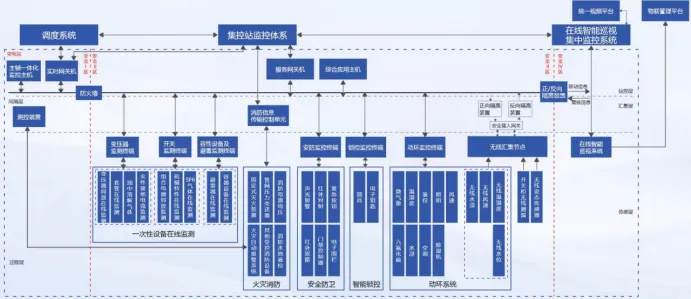
Solution: We deployed the Intelligent Auxiliary Control System to monitor water levels, flow rates, and pressure in real-time across 37 pump stations and 5 treatment units. The system's AI algorithms analyzed demand patterns, electricity tariffs, and pump performance characteristics to dynamically adjust pump speeds and schedules. It also integrated predictive maintenance for pump motors and valves.
Results: Within 18 months, the utility achieved an average of 22% reduction in electricity consumption, translating to annual savings of approximately $1.2 million USD. Predictive maintenance reduced unplanned downtime by 30%, increasing operational reliability. The system's corrosion-resistant components also ensured a longer service life in the harsh water treatment environment, earning positive feedback from operations staff on system stability and ease of use.
Case Study 2: Process Stability in a Specialty Chemical Plant
Client: Global Specialty Chemical Manufacturer in Europe.
Challenge: Maintaining precise temperature and pressure within large-scale reactors for synthesizing sensitive chemical compounds was critical. Slight deviations led to off-spec products, waste, and increased batch times. Their legacy DCS struggled with rapid load changes and complex interaction effects.
Solution: The Intelligent Auxiliary Control System was integrated to provide advanced MPC for reactor control. High-resolution sensors fed real-time data into the system, which then used adaptive algorithms to anticipate and counteract process disturbances. The system also incorporated safety interlocks meeting IEC 61511 standards.
Results: The client reported a reduction in product variability by 18% and a 5% increase in throughput due to optimized reaction times. The system's proactive control reduced the frequency of operator interventions by 40%, enhancing safety and freeing up personnel for higher-value tasks. The system's robust design ensured stable operation even in environments with corrosive fumes, providing reliable performance over years of service.
Frequently Asked Questions (FAQ)
Q1: What is the typical lead time for an Intelligent Auxiliary Control System deployment?
A1: Lead times vary based on system complexity and customization requirements. For standard configurations, manufacturing and initial testing typically take 6-8 weeks. Complex, highly customized systems, including bespoke software development, may require 12-20 weeks. We provide a detailed project timeline post-consultation.
Q2: What kind of warranty and after-sales support do you offer?
A2: All Intelligent Auxiliary Control Systems come with a standard 3-year limited warranty covering manufacturing defects and hardware failures. Extended warranty options are available. Our after-sales support includes 24/7 technical assistance, remote diagnostics, on-site service, and regular software updates to ensure peak performance and security. We offer comprehensive service level agreements (SLAs) tailored to critical industrial applications.
Q3: Is the system compatible with existing legacy infrastructure?
A3: Yes, the system is designed for broad compatibility. It supports a wide range of industrial communication protocols (Modbus, Profibus, Ethernet/IP, OPC UA) and offers flexible I/O options to interface with legacy sensors, actuators, and control networks. Our integration specialists work with clients to ensure a seamless transition and co-existence with existing systems.
Q4: How does the system ensure cybersecurity?
A4: Cybersecurity is a cornerstone of the Intelligent Auxiliary Control System's design. It incorporates a hardware root of trust, secure boot mechanisms, encrypted communication channels (TLS/SSL), robust authentication protocols, and an integrated firewall. Regular security updates and vulnerability assessments are part of our commitment to protecting industrial operations from evolving cyber threats. We adhere to standards like IEC 62443 for industrial control system security.
Conclusion
The Intelligent Auxiliary Control System stands as a testament to the advancements in industrial automation, offering a powerful, reliable, and adaptive solution for critical B2B operations. Its comprehensive capabilities, from precision control and energy optimization to predictive maintenance and seamless integration, directly address the complex challenges faced by modern industries. By embracing this technology, businesses can achieve unparalleled operational efficiency, enhance safety, reduce costs, and secure a competitive edge in a rapidly evolving global market. Our commitment to quality, customization, and robust support ensures a successful and lasting partnership for our clients.
References
- International Organization for Standardization (ISO). ISO 9001:2015 Quality management systems — Requirements.
- Instrument Society of America (ISA). ANSI/ISA-95.00.01-2010 Enterprise-Control System Integration Part 1: Models and Terminology.
- "The Impact of AI and Machine Learning on Industrial Process Control." Journal of Industrial Automation & Control Systems, Vol. 45, Issue 2, pp. 112-128, 2023.
- "Energy Efficiency in Smart Manufacturing: A Comprehensive Review." IEEE Transactions on Industrial Informatics, Vol. 18, No. 3, pp. 1650-1665, 2022.
- "Cybersecurity Framework for Industrial Control Systems." National Institute of Standards and Technology (NIST) Special Publication 800-82, Rev. 3, 2021.