
Reliable 8kWh & 16kWh ESS Product for Home & Commercial Use
Industry Trends in Energy Storage Solutions
The global energy landscape is undergoing a profound transformation, driven by the imperative for decarbonization, grid modernization, and enhanced energy resilience. Central to this evolution are advanced Energy Storage Systems (ESS), which play a pivotal role in integrating intermittent renewable energy sources, stabilizing grid operations, and providing reliable power in diverse applications. Industry reports indicate a robust growth trajectory for the ESS market, with projections estimating a compound annual growth rate (CAGR) exceeding 20% over the next decade. This growth is fueled by decreasing battery costs, supportive policy frameworks, and escalating demand from commercial, industrial, and utility sectors.
The shift towards decentralization, coupled with the increasing penetration of solar photovoltaics (PV) and wind power, necessitates flexible and scalable storage solutions. Technologies like lithium-ion batteries continue to dominate due to their high energy density and efficiency, though research into solid-state and flow batteries progresses rapidly. Moreover, the demand for energy independence and backup power solutions for critical infrastructure—spanning from telecommunications and data centers to manufacturing plants and smart cities—underscores the indispensable role of robust ESS. Within this dynamic market, solutions such as the 8kWh&16kWh ESS Product are strategically positioned to address key market demands for efficiency, reliability, and modularity.
Technical Specifications and Parameters
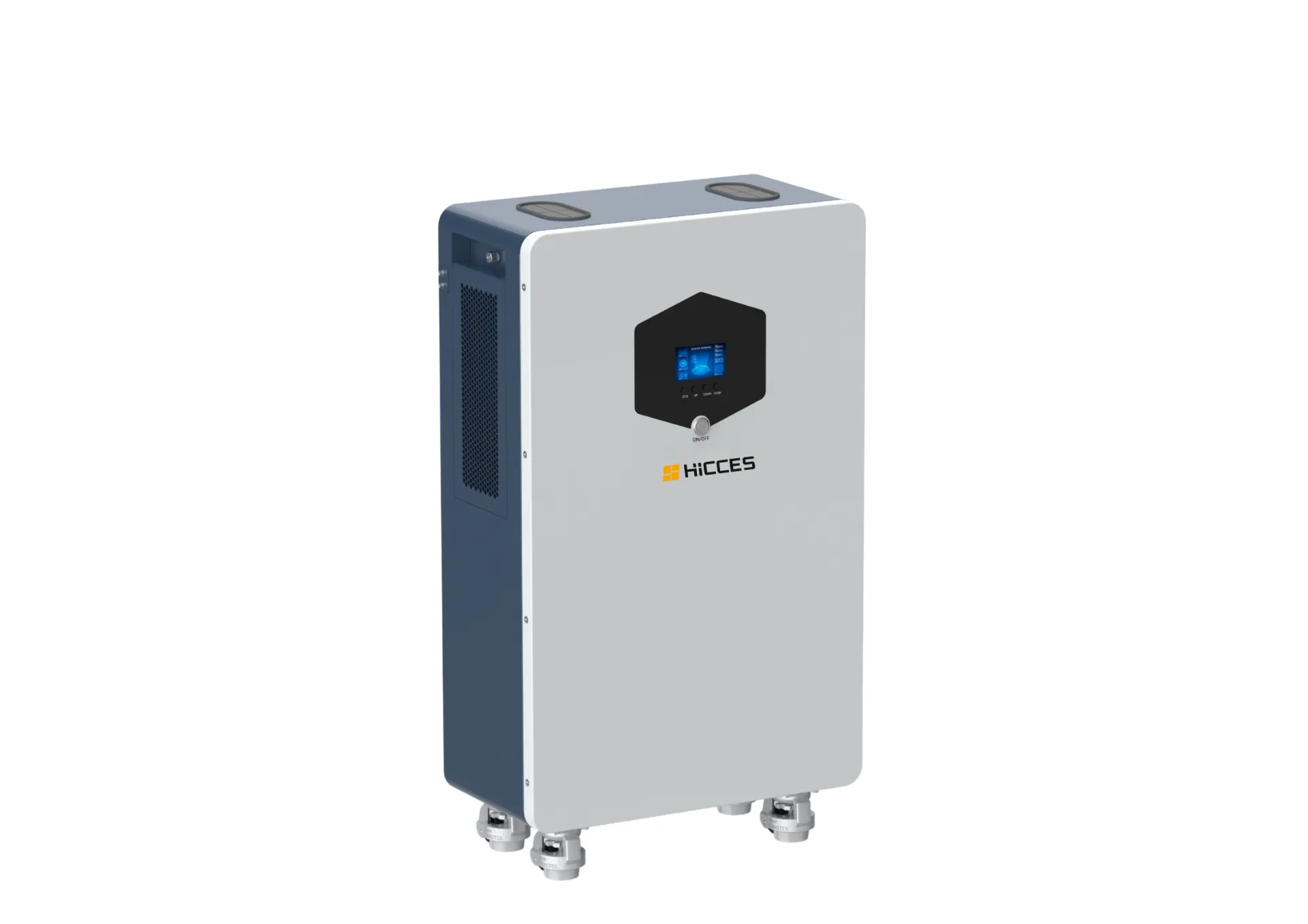
The 8kWh&16kWh ESS Product embodies cutting-edge energy storage technology, engineered for unparalleled performance and longevity. These systems are meticulously designed to provide flexible, scalable, and highly efficient energy management solutions across a spectrum of industrial and commercial applications. Leveraging advanced Lithium Iron Phosphate (LiFePO4) battery chemistry, these units offer superior safety, extended cycle life, and thermal stability compared to alternative lithium-ion chemistries.
Core Technical Parameters
| Parameter | 8kWh ESS Model | 16kWh ESS Model |
|---|---|---|
| Nominal Energy Capacity | 8 kWh | 16 kWh |
| Battery Type | Lithium Iron Phosphate (LiFePO4) | |
| Nominal Voltage | 48 V | 48 V |
| Max Discharge Power | 5 kW (Scalable) | 10 kW (Scalable) |
| Max Charge Power | 5 kW (Scalable) | 10 kW (Scalable) |
| Cycle Life (at 80% DoD) | ≥ 6,000 Cycles | |
| Depth of Discharge (DoD) | Up to 90% (Recommended for optimal life) | |
| Operating Temperature Range | -20°C to +55°C (Discharge), 0°C to +45°C (Charge) | |
| Efficiency (Round Trip) | ≥ 95% | |
| Communication Interface | CAN, RS485, RS232 | |
| Protection | Over-charge, Over-discharge, Over-current, Short-circuit, Over-temperature | |
| Enclosure Rating | IP65 (Outdoor rated) | |
These specifications highlight the robust engineering and high-performance capabilities inherent in each 8kWh&16kWh ESS Product unit, making them suitable for demanding environments requiring consistent and reliable power delivery.
Manufacturing Process Flow
The manufacturing of the 8kWh&16kWh ESS Product adheres to stringent quality control standards and sophisticated engineering processes to ensure optimal performance and longevity. Our integrated production methodology combines precision material selection with advanced fabrication techniques, culminating in a highly reliable energy storage solution.
Detailed Manufacturing Steps:
- Cell Procurement & Incoming Inspection: High-grade LiFePO4 cells are sourced from certified suppliers. Each batch undergoes rigorous inspection for capacity, internal resistance, voltage uniformity, and structural integrity, adhering to ISO 9001 quality management principles.
- Module Assembly: Individual cells are sorted and assembled into battery modules. This process involves precision laser welding of cell terminals, ensuring minimal resistance and maximum current flow. Advanced thermal management materials are integrated at this stage.
- Battery Management System (BMS) Integration: The proprietary BMS is integrated with the battery modules. This includes configuring cell balancing, over-charge/discharge protection, over-current protection, and temperature monitoring. Each BMS undergoes a functional test to verify its protective features.
- Enclosure Fabrication (CNC Machining & Welding): The robust IP65-rated enclosures are fabricated from high-strength, corrosion-resistant aluminum alloys or coated steel. This involves precise CNC machining for component housing and ventilation, followed by TIG/MIG welding to ensure hermetic sealing against environmental ingress. Stress relieving and surface treatments (e.g., powder coating, anodizing) are applied to enhance durability and corrosion resistance, critical for applications in environments like petrochemical facilities or coastal areas.
- Final System Assembly: Battery modules, BMS, power electronics (inverter/charger), and auxiliary components are integrated into the fabricated enclosure. All internal wiring and connections are meticulously managed and secured to withstand vibration and thermal cycling.
-
System Testing & Validation: Each complete ESS undergoes comprehensive testing:
- Performance Cycling: Full charge/discharge cycles to verify actual capacity, efficiency, and thermal performance.
- Environmental Stress Testing: Exposure to simulated extreme temperatures and humidity (e.g., per IEC 62619 for safety).
- Safety Compliance: Verification against relevant safety standards such as UL 1973, IEC 62619, and UN 38.3 for transport.
- Communication Protocol Verification: Testing of CAN, RS485, and RS232 interfaces with standard industrial protocols.
- Final Quality Assurance & Packaging: A final visual and functional inspection is conducted before packaging the product for shipment. All documentation, including user manuals and warranty information, is included.
This rigorous process ensures that every 8kWh&16kWh ESS Product delivered meets and exceeds international standards for quality, safety, and performance, providing an estimated service life of 10-15 years or more, depending on operational parameters and maintenance protocols.
Application Scenarios and Target Industries
The versatility and robust design of the 8kWh&16kWh ESS Product make it an ideal solution for a diverse array of demanding B2B applications across critical industries. Its modular architecture allows for seamless integration into existing infrastructures and scalability to meet evolving energy demands.
Key Target Industries and Application Examples:
-
Petrochemical & Oil & Gas:
For remote site power, SCADA system backup, emergency lighting, and critical process control systems. The corrosion-resistant enclosure and wide operating temperature range ensure reliability in harsh environments, reducing downtime and enhancing safety.
-
Metallurgy & Heavy Manufacturing:
Provides stable power for specialized machinery, control systems, and data acquisition units, safeguarding against grid fluctuations that can disrupt sensitive industrial processes. Contributes to energy saving through peak shaving and load shifting strategies.
-
Water Supply & Drainage Infrastructure:
Ensures continuous operation of pumps, sensors, and control valves during power outages, critical for maintaining public health and environmental protection. Offers reliable backup power for distributed pumping stations.
-
Telecommunications & Data Centers:
Delivers uninterrupted power supply (UPS) for essential communication equipment, servers, and cooling systems. The compact footprint and high energy density are ideal for space-constrained facilities, offering superior performance compared to traditional lead-acid batteries.
-
Commercial & Industrial Facilities:
Enables demand charge management, maximizing self-consumption of renewable energy (e.g., rooftop solar), and providing reliable backup power for businesses. This leads to significant energy cost savings and enhanced energy independence.
-
Off-Grid & Hybrid Microgrids:
Integral to stabilizing power for remote communities, construction sites, and agricultural operations by integrating with solar PV or wind turbines, reducing reliance on fossil fuel generators.
In a typical scenario, an ESS deployed in a manufacturing plant could engage in peak shaving, drawing power from the grid during off-peak hours (when electricity is cheaper) to charge, and then discharging during peak demand periods, thereby reducing demand charges by up to 30%. The rapid response time of our LiFePO4 batteries is crucial for such applications, providing instantaneous power during load spikes. The inherent corrosion resistance and robust construction also guarantee minimal maintenance in challenging industrial environments, offering substantial operational expenditure savings over the system's lifetime.
Technical Advantages and Performance Metrics
The technical superiority of the 8kWh&16kWh ESS Product is a direct result of its advanced design and the inherent advantages of LiFePO4 chemistry. These systems are engineered to deliver maximum value through enhanced safety, extended operational lifespan, and superior performance characteristics.
Key Advantages:
- Exceptional Safety Profile: LiFePO4 chemistry is renowned for its thermal and chemical stability, significantly reducing the risk of thermal runaway compared to other lithium-ion variants. This is crucial for industrial environments where safety cannot be compromised. Our systems incorporate multi-layer protection mechanisms, including redundant BMS safeguards.
- Extended Cycle Life & Durability: With a rated cycle life of over 6,000 cycles at 80% Depth of Discharge (DoD), our ESS units offer a remarkably long operational life, translating into lower total cost of ownership (TCO) over their 15-year design life. This significantly outperforms conventional lead-acid batteries (typically 500-1500 cycles).
- High Energy Efficiency: Boasting a round-trip efficiency of ≥95%, the system minimizes energy losses during charging and discharging, ensuring that more stored energy is available for use. This maximizes the economic benefits of renewable energy integration and grid services.
- Wide Operating Temperature Range: Capable of operating effectively from -20°C to +55°C, the system maintains performance integrity in diverse climatic conditions without requiring extensive climate control, making it suitable for global deployments from arid deserts to frigid industrial freezers.
- Modular and Scalable Design: Both 8kWh and 16kWh units are designed for parallel connection, allowing for easy expansion of capacity and power output. This modularity provides unparalleled flexibility for system integrators and end-users to scale their energy storage infrastructure as needs evolve.
- Robust Industrial-Grade Construction: The IP65-rated enclosure provides superior protection against dust, water jets, and corrosive agents, critical for deployment in demanding industrial settings such as chemical plants or marine environments. This robust build minimizes maintenance requirements and extends equipment lifespan.
- Intelligent Battery Management System (BMS): The integrated BMS provides real-time monitoring of all critical parameters, active cell balancing, fault detection, and predictive analytics. This ensures optimal battery health, maximizes performance, and prevents operational failures.
These advantages collectively translate into tangible benefits for B2B clients, including reduced operational costs, enhanced reliability of critical systems, increased energy independence, and a lower environmental footprint.
Vendor Comparison: 8kWh&16kWh ESS Product vs. Market Alternatives
When evaluating energy storage solutions, B2B decision-makers scrutinize various parameters to ensure optimal return on investment and operational reliability. A comparative analysis highlights the competitive positioning of the 8kWh&16kWh ESS Product against common market alternatives, particularly in the realm of safety, longevity, and industrial applicability.
Comparative Analysis Table:
| Feature/Parameter | 8/16kWh ESS Product (LiFePO4) | Competitor A (NMC Li-ion) | Competitor B (Lead-Acid / VRLA) |
|---|---|---|---|
| Battery Chemistry | LiFePO4 | NMC (Nickel Manganese Cobalt) | VRLA (Valve Regulated Lead-Acid) |
| Safety (Thermal Stability) | Excellent (Highly stable) | Good (Requires advanced thermal management) | Very Good |
| Cycle Life (80% DoD) | ≥ 6,000 cycles | ~2,000-4,000 cycles | ~500-1,500 cycles |
| Depth of Discharge (DoD) | Up to 90% | ~80-90% (Impacts life) | ~50-60% (Significantly impacts life) |
| Round-Trip Efficiency | ≥ 95% | ~90-95% | ~75-85% |
| Operating Temperature Range | -20°C to +55°C | -10°C to +50°C (Often narrower optimal range) | 0°C to +40°C (Significant degradation outside range) |
| Environmental Protection (Enclosure) | IP65 Standard | Varies, often lower for standard models | Typically indoor, lower IP rating |
| Maintenance | Minimal | Low | High (Ventilation, periodic checks) |
This comparison underscores the superior long-term value proposition of our LiFePO4-based ESS. While NMC alternatives might offer slightly higher energy density per unit volume, their cycle life and safety profile in demanding industrial contexts often fall short. Lead-acid solutions, though lower in initial cost, incur significantly higher operational expenses due to shorter lifespan, lower efficiency, and greater maintenance requirements. The 8kWh&16kWh ESS Product distinguishes itself through a balanced combination of safety, performance, and durability, aligning perfectly with the rigorous demands of B2B industrial applications.
Customized Solutions and Integration
Recognizing that no two industrial applications are identical, we offer extensive customization options for the 8kWh&16kWh ESS Product to meet specific project requirements and operational environments. Our engineering team collaborates closely with clients to design tailored energy storage solutions that seamlessly integrate with existing infrastructure and future expansion plans.
Customization Capabilities Include:
- Capacity & Power Scaling: Both 8kWh and 16kWh modules can be configured in parallel to achieve desired energy capacity and power output. This ranges from several tens of kilowatt-hours for smaller commercial applications to multi-megawatt-hour systems for large-scale industrial or grid-support functions.
- Inverter Compatibility: We ensure compatibility with a wide range of industry-standard inverters and charge controllers from leading manufacturers, facilitating easy integration into existing solar PV arrays or microgrid systems.
- Communication Protocols: While standard units support CAN, RS485, and RS232, we can adapt to proprietary communication protocols or integrate with higher-level Supervisory Control and Data Acquisition (SCADA) systems via Modbus TCP/IP or other industrial Ethernet protocols.
- Environmental Hardening: For extreme conditions, additional enclosure modifications, specialized thermal management systems (e.g., active heating/cooling), and enhanced corrosion protection coatings can be provided. This ensures reliable operation in environments with extreme temperatures, high humidity, or chemical exposure.
- Rack & Cabinet Solutions: Offering standardized 19-inch rack-mount configurations or custom cabinet designs to optimize space utilization and simplify installation in various industrial settings.
- Software Integration & Monitoring: Development of custom monitoring dashboards and integration with building management systems (BMS) or energy management systems (EMS) to provide granular control and real-time performance insights.
Our team of experienced engineers provides comprehensive support throughout the project lifecycle, from initial consultation and system design to deployment and post-installation optimization, ensuring that the customized 8kWh&16kWh ESS Product solution delivers maximum performance and value.
Application Case Studies & Customer Experience
Real-world deployments demonstrate the tangible benefits and robust performance of the 8kWh&16kWh ESS Product. Our solutions have been instrumental in enhancing operational efficiency, ensuring power reliability, and driving significant cost savings for our partners.
Case Study 1: Large-Scale Petrochemical Facility, Middle East
- Challenge: Frequent grid instability and high demand charges impacting the operational continuity and profitability of critical processing units. Traditional backup systems required excessive maintenance in corrosive desert environments.
- Solution: Deployment of a 256kWh ESS (configured from multiple 16kWh units) integrated with existing solar PV. The system was customized with enhanced thermal management and specialized anti-corrosion coatings.
- Outcome: The facility achieved 99.8% power reliability, virtually eliminating disruptions from grid fluctuations. Peak shaving capabilities resulted in a 28% reduction in monthly electricity bills. Customer feedback highlighted the minimal maintenance and robust performance even at ambient temperatures exceeding 45°C.
Case Study 2: Remote Telecommunications Tower, Southeast Asia
- Challenge: Isolated cellular tower relying on diesel generators and aging lead-acid batteries, leading to high fuel costs, frequent maintenance, and environmental concerns. Need for a silent, long-lasting power source.
- Solution: Installation of an 8kWh ESS as primary backup, charged by a small solar PV array. The compact footprint and IP65 rating were critical for remote outdoor installation.
- Outcome: Diesel generator run-time was reduced by over 85%, cutting fuel costs by approximately $5,000 annually per site. The robust LiFePO4 battery ensured consistent power availability, with local technicians reporting significantly reduced site visits for battery maintenance. The client plans to roll out similar deployments across 50+ sites.
These examples underscore our commitment to delivering high-performance, reliable energy storage solutions that address complex industrial challenges, fostering long-term partnerships built on trust and proven results.
Ensuring Trust: Certifications, Standards & Partnerships
Our commitment to quality, safety, and reliability is substantiated by adherence to leading international standards and robust industry certifications. We believe that demonstrably authoritative credentials are paramount for fostering trust with our B2B clientele.
Certifications & Compliance:
- ISO 9001: Our manufacturing processes for the 8kWh&16kWh ESS Product are certified under ISO 9001, ensuring a consistent and high-quality production system from raw material sourcing to final product delivery.
- ISO 14001: Demonstrates our commitment to environmental management and sustainable manufacturing practices, minimizing ecological impact throughout the product lifecycle.
- CE Certification: Confirms compliance with European safety, health, and environmental protection requirements, enabling widespread distribution.
- UN 38.3: Ensures the safe transport of lithium-ion batteries by air, sea, rail, and road, confirming battery safety under various conditions.
- IEC 62619: Adherence to the international safety standard for lithium-ion cells and batteries for industrial applications, providing independent verification of safety and performance.
- UL 1973 (Battery Safety): Compliance with UL 1973 for stationary, auxiliary, and propulsion battery applications further underscores the inherent safety of our ESS.
Partners & Years of Service:
With over 15 years of dedicated experience in the energy solutions sector, we have cultivated enduring partnerships with leading industrial integrators, utility providers, and renewable energy developers globally. Our client portfolio includes reputable names in the petrochemical, telecommunications, and manufacturing sectors, a testament to our consistent delivery of reliable and high-performance products. Our long-standing relationships with key component suppliers also ensure the stability and quality of our supply chain.
Trustworthiness: FAQ, Lead Time, Warranty, and Support
We are dedicated to building long-term relationships with our clients through transparency, reliability, and comprehensive support services. This section addresses common inquiries and outlines our commitment to customer satisfaction.
Frequently Asked Questions (FAQ):
- Q: What is the expected lifespan of the 8kWh&16kWh ESS Product?
- A: Our ESS units are designed for a service life of 10-15 years, with a cycle life of ≥ 6,000 cycles at 80% DoD, ensuring robust performance for over a decade in typical applications.
- Q: Can these systems be expanded in the future?
- A: Yes, both 8kWh and 16kWh models are modular and can be easily expanded by adding more units in parallel to increase total energy capacity and power output.
- Q: What environmental conditions can the ESS withstand?
- A: With an IP65 rated enclosure, our ESS is protected against dust and strong water jets. It operates efficiently across a wide temperature range of -20°C to +55°C (discharge), making it suitable for harsh industrial outdoor environments.
- Q: What is included in the standard warranty?
- A: Each system comes with a standard 5-year limited warranty covering defects in materials and workmanship. Extended warranty options are available upon request.
Lead Time & Fulfillment:
Standard lead time for the 8kWh&16kWh ESS Product is typically 4-6 weeks from order confirmation, depending on order volume and specific customization requirements. For large-scale projects or urgent requirements, we encourage clients to discuss their timelines with our sales team for expedited production and delivery schedules. Our global logistics network ensures efficient and reliable shipment to destinations worldwide.
Warranty Commitments:
We stand behind the quality and reliability of our products with a robust warranty. The standard warranty period for our ESS products is five (5) years from the date of installation or seven (7) years from the date of shipment, whichever comes first, guaranteeing performance and covering manufacturing defects. Detailed warranty terms and conditions are provided with each purchase and are available upon request.
Customer Support:
Our dedicated technical support team is available to assist clients with installation, commissioning, troubleshooting, and ongoing maintenance queries. We offer multi-channel support including phone, email, and a comprehensive online knowledge base. For critical industrial applications, we also provide options for on-site technical assistance and tailored service level agreements (SLAs) to ensure maximum uptime and operational continuity.
Conclusion
The 8kWh&16kWh ESS Product represents a paradigm shift in industrial energy storage, offering unparalleled reliability, efficiency, and safety for demanding B2B applications. From critical infrastructure backup to sophisticated peak shaving and renewable energy integration, these systems are engineered to empower industries with resilient and sustainable power solutions. Our adherence to stringent manufacturing processes, comprehensive certifications, and unwavering commitment to customer satisfaction ensures that each ESS unit delivers exceptional performance and long-term value. Partner with us to future-proof your energy infrastructure and achieve superior operational efficiency.
References
- International Energy Agency (IEA). "Batteries and Electricity Storage." IEA, 2023.
- National Renewable Energy Laboratory (NREL). "Battery Storage: Technology Overview and Application." NREL, 2022.
- UL Standards. "UL 1973: Standard for Batteries for Use in Stationary, Auxiliary Power, Electric Vehicle (EV), and Light Electric Rail (LER) Applications." Underwriters Laboratories, 2022.
- International Electrotechnical Commission (IEC). "IEC 62619: Secondary cells and batteries containing alkaline or other non-acid electrolytes – Safety requirements for large format secondary lithium cells and batteries for industrial applications." IEC, 2022.
- Grand View Research. "Lithium-Ion Battery Market Size, Share & Trends Analysis Report." Grand View Research, 2023.