
AI Smart Assistant Host: Intelligent Control & Smart Home Automation.
The Ascendance of Smart Assistant Hosts in Industrial Automation
The industrial landscape is undergoing a profound transformation, driven by the convergence of Artificial Intelligence (AI) and the Internet of Things (IoT). At the heart of this revolution lies the AI Smart Assistant Host, a critical piece of edge computing infrastructure designed to bridge the gap between complex operational data and actionable intelligence. These sophisticated systems are engineered to process, analyze, and interpret vast streams of sensor data in real-time, enabling unprecedented levels of automation, efficiency, and predictive capability across diverse B2B sectors. Their robust design and advanced AI algorithms empower industries to move beyond reactive maintenance to proactive management, optimizing resource allocation, reducing downtime, and enhancing operational safety. The strategic deployment of AI Smart Assistant Hosts represents a paradigm shift, allowing enterprises to harness the full potential of their digital assets and maintain a competitive edge in an increasingly data-driven world.
Industry Trends and Market Dynamics
The global market for industrial AI and edge computing is experiencing exponential growth, driven by the demand for localized data processing and real-time decision-making. Reports indicate that the industrial AI market is projected to reach over $72 billion by 2026, with a significant portion attributed to edge AI devices like the AI Smart Assistant Host. Key drivers include the proliferation of IoT sensors, the need for enhanced cybersecurity at the edge, and the increasing complexity of industrial operations requiring immediate analytical insights without reliance on cloud latency. Industries such as smart manufacturing, critical infrastructure, and advanced logistics are rapidly adopting these solutions to automate processes, implement predictive maintenance, and optimize supply chains. Furthermore, the push towards Industry 4.0 and digital twins necessitates powerful on-premise computational capabilities that can handle high-volume data streams, making the AI Smart Assistant Host an indispensable component of modern industrial ecosystems.
Manufacturing Process Flow of the AI Smart Assistant Host
The production of a robust and reliable AI Smart Assistant Host involves a meticulous multi-stage manufacturing process, ensuring peak performance and durability in demanding industrial environments. Our commitment to quality is evident in every step, from material selection to final testing.
1. Materials Sourcing and Preparation
We utilize high-grade, industrial-spec materials for exceptional longevity and resistance to harsh conditions. This includes corrosion-resistant aluminum alloys (e.g., 6061-T6 for chassis), high-performance polycarbonate plastics for external housings, and industrial-grade PCBs with robust copper traces. All components adhere to RoHS compliance standards.
2. Core Component Manufacturing
- PCB Fabrication: Multi-layer printed circuit boards are manufactured with precision, incorporating advanced surface-mount technology (SMT) for component placement and reflow soldering.
- Chassis Casting/Forging: Depending on the model's structural requirements, the chassis is either die-cast from aluminum alloy for complex geometries or forged for superior strength and impact resistance.
- CNC Machining: Precision CNC machining refines cast or forged parts, ensuring exact dimensions, smooth finishes, and accurate port alignments. This also applies to any specialized heat sinks or mounting brackets.
3. Assembly and Integration
Skilled technicians meticulously assemble the electronic components onto the PCBs, followed by the integration of the main board, power supply, storage, and cooling systems into the precision-machined chassis. All internal cabling is routed and secured to withstand vibration and thermal stress.
4. Software Deployment and Calibration
The AI operating system and pre-trained models are deployed, and the system is calibrated for optimal performance. This includes configuring network interfaces, sensor integration protocols (e.g., Modbus, OPC UA), and initial performance benchmarks for the AI accelerator.
5. Rigorous Testing Standards
- Environmental Testing: Conformance to IEC 60068 standards for temperature (operating -20°C to 70°C, storage -40°C to 85°C), humidity (5% to 95% non-condensing), and vibration (MIL-STD-810G).
- EMI/EMC Compliance: Adherence to CE, FCC Part 15 Class A, and EN 61000 standards to ensure electromagnetic compatibility and minimal interference.
- Functional Testing: Comprehensive burn-in tests, I/O validation, network connectivity checks, and full AI workload stress tests to verify performance under load.
- Safety Certifications: Compliance with UL, CB Scheme, and LVD (Low Voltage Directive) for electrical safety.
- IP Rating Validation: Verification of ingress protection (e.g., IP65, IP67) against dust and water, crucial for outdoor or harsh indoor environments.
6. Quality Control and Packaging
Each unit undergoes a final visual inspection and comprehensive quality assurance checks before being securely packaged with anti-static and shock-absorbing materials for safe transport. Our processes are certified under ISO 9001:2015, guaranteeing consistent quality management.
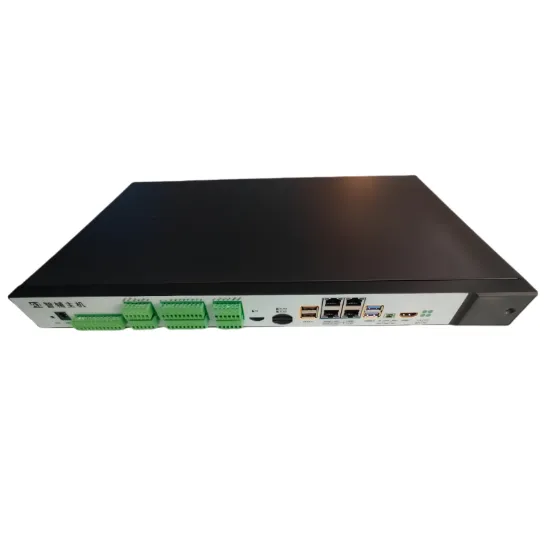
Figure 1: Internal architecture of an AI Smart Assistant Host, highlighting key components for robust industrial operation.
The typical service life of our AI Smart Assistant Host units, operating under specified conditions, ranges from 5 to 10 years, supported by a Mean Time Between Failures (MTBF) exceeding 100,000 hours. These rigorous standards ensure that our products deliver unparalleled reliability and performance in critical applications.
Technical Specifications of the AI Smart Assistant Host
Our AI Smart Assistant Host is engineered for high-performance edge AI computation, offering a robust set of features optimized for industrial deployment. The following table details key technical parameters.
| Feature | Specification |
|---|---|
| Processor | Intel® Core™ i7-12700E (12 Cores, 20 Threads, up to 4.8 GHz) or NVIDIA® Jetson Orin™ AGX (up to 275 TOPS) |
| AI Accelerator (Optional) | NVIDIA® GPU (e.g., RTX A2000), Intel® Movidius™ VPU, or dedicated Edge TPU |
| System Memory | Up to 64GB DDR4 ECC SO-DIMM (3200 MHz) |
| Storage | 1x M.2 NVMe PCIe x4 SSD (up to 2TB), 2x 2.5" SATA III SSD (up to 4TB) |
| Operating System | Ubuntu Linux (pre-installed), Windows IoT Enterprise, or custom RTOS |
| Network Interfaces | 2x 2.5GbE RJ45 (Intel I225-LM), optional 10GbE SFP+, Wi-Fi 6, 5G/LTE module |
| I/O Ports | 4x USB 3.2 Gen2, 2x RS-232/485, 1x HDMI, 1x DisplayPort, GPIO (4-in/4-out), Audio Line-out |
| Expansion Slots | 1x PCIe x16 (Gen4), 1x M.2 E-key (for Wi-Fi/BT), 1x M.2 B-key (for 5G/LTE) |
| Power Input | 9-36V DC (Wide Range), with Ignition Power Control |
| Operating Temperature | -20°C to 70°C (with industrial components) |
| Relative Humidity | 5% to 95% (non-condensing) |
| Shock/Vibration | IEC 60068-2-27 (Shock), IEC 60068-2-6 (Vibration) |
| Ingress Protection | IP65 (Optional IP67 for select models) |
| Dimensions (W x D x H) | 260 x 180 x 85 mm (varies by configuration) |
| Certifications | CE, FCC, RoHS, UL, ISO 9001:2015 |
Application Scenarios Across Key Industries
The versatility and robust capabilities of the AI Smart Assistant Host make it indispensable across a spectrum of demanding B2B environments. Its ability to perform real-time AI inference at the edge unlocks significant operational efficiencies and safety improvements.
- Petrochemical Industry: Deployed for predictive maintenance on pumps, valves, and rotating machinery. AI algorithms analyze vibration, temperature, and pressure data from thousands of sensors to detect anomalies, preventing costly unplanned downtime and ensuring the safety of hazardous operations. Its corrosion resistance is critical here.
- Metallurgy and Heavy Manufacturing: Used for real-time quality control in foundries and rolling mills, detecting defects in materials or products as they are being manufactured. Computer vision AI on the host monitors surface irregularities, dimensional accuracy, and material composition, leading to reduced waste and improved product consistency.
- Water Supply & Drainage Systems: Integral to smart water management, monitoring pipe integrity, leakage detection, and optimizing pump station operations. AI models running on the host predict peak demand, manage reservoir levels, and identify potential contamination events, contributing to energy saving through optimized pump scheduling and reduced water loss.
- Energy Sector (Renewables & Grids): Facilitates predictive diagnostics for wind turbines and solar panel arrays, identifying component wear or performance degradation before critical failure. In smart grids, it optimizes load balancing and fault detection at substations, enhancing grid reliability and efficiency.
- Smart City Infrastructure: Supports intelligent traffic management, smart surveillance, and public safety initiatives. AI analyzes real-time video feeds for traffic flow optimization, incident detection, and crowd monitoring, improving urban mobility and security.
- Logistics and Warehousing: Powers autonomous guided vehicles (AGVs) and robotic systems, optimizing routing, inventory management, and package sorting. Edge AI ensures rapid response and adaptability in dynamic warehouse environments.
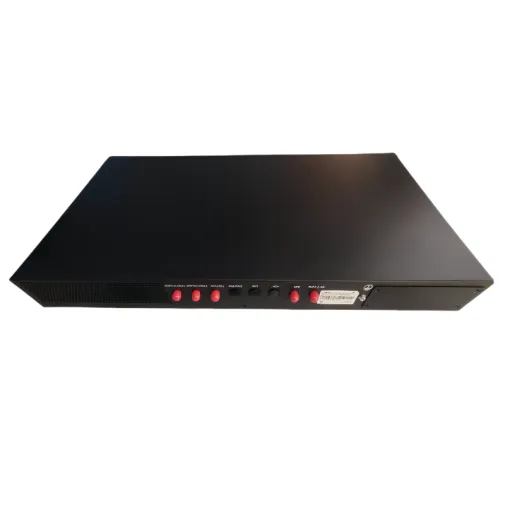
Figure 2: An AI Smart Assistant Host deployed in an industrial control cabinet for real-time data processing.
Technical Advantages and Value Proposition
The technical prowess of our AI Smart Assistant Host translates into distinct operational advantages for industrial clients.
- Real-time Edge Intelligence: By performing AI inference directly at the data source, the host eliminates cloud latency, enabling instant decision-making crucial for safety-critical and time-sensitive operations. This reduces bandwidth requirements and costs associated with extensive cloud data transfer.
- Robust Industrial Design: Engineered for extreme conditions, featuring fanless operation for dust/vibration resistance, wide operating temperature ranges, and IP65/IP67 ingress protection. This ensures uninterrupted performance in environments where standard computing devices would fail.
- Enhanced Cybersecurity: Edge processing minimizes data exposure by keeping sensitive information localized. Built-in hardware security modules (HSM) and secure boot functionalities provide a robust defense against cyber threats, adhering to ISA/IEC 62443 standards.
- Scalable AI Performance: Configurable with various AI accelerators (GPUs, VPUs, TPUs), allowing tailored performance for different AI workloads, from simple anomaly detection to complex machine learning models for predictive analytics.
- Comprehensive Connectivity: Offers a wide array of I/O interfaces (Gigabit Ethernet, RS-232/485, USB, GPIO, Wi-Fi 6, 5G/LTE) for seamless integration with existing industrial protocols and IoT devices, ensuring interoperability.
- Energy Efficiency: Optimized hardware and software design ensures high performance per watt, leading to significant energy savings over prolonged operation, especially when compared to traditional data center-reliant solutions.
- Long-term Reliability & Support: Built with industrial-grade components for extended service life, backed by comprehensive warranty and dedicated technical support, ensuring low total cost of ownership (TCO) for critical infrastructure.
Vendor Comparison: Our AI Smart Assistant Host vs. Competitors
While several vendors offer edge computing solutions, our AI Smart Assistant Host distinguishes itself through a unique blend of performance, ruggedization, and tailored industrial features.
| Feature/Aspect | Our AI Smart Assistant Host | Generic Industrial PC (Competitor A) | Cloud-Only AI Solution (Competitor B) |
|---|---|---|---|
| AI Processing Location | Edge (On-device) | Limited Edge (CPU-based) | Centralized Cloud |
| Latency for Decisions | Sub-millisecond | Milliseconds to Seconds | Seconds (Network Dependent) |
| Environmental Hardening | IP65/IP67, Wide Temp, Vibration, Fanless | Basic Industrial (Fan, limited IP) | N/A (Cloud Data Center) |
| AI Accelerator Options | Dedicated GPU/VPU/TPU | Rare or Limited | Highly Scalable, but Remote |
| Data Security & Privacy | High (Local processing, HSM) | Moderate (Standard OS security) | Dependent on cloud provider (Data egress) |
| Connectivity (Industrial Protocols) | Extensive (Modbus, OPC UA, EtherCAT, GPIO) | Standard (Ethernet, Serial) | Requires Edge Gateway/Device |
| Operating Cost Model | Primarily CapEx, lower OpEx (no data transfer fees) | CapEx & some OpEx | Primarily OpEx (subscription, data transfer) |
This comparison highlights that while generic industrial PCs offer a computing platform and cloud solutions provide immense scalability, only a purpose-built AI Smart Assistant Host delivers the crucial combination of real-time edge intelligence, ruggedized design, and integrated industrial connectivity essential for modern B2B applications. Our solution significantly reduces operational latency and data transmission costs, while enhancing data security and local control.
Customized Solutions and Integration Expertise
Recognizing that industrial requirements are rarely one-size-fits-all, we offer extensive customization options for our AI Smart Assistant Host. Our engineering team collaborates closely with clients to tailor hardware configurations, software stacks, and connectivity features to meet specific project needs.
- Hardware Customization: This includes specific CPU/GPU selections, memory and storage capacity adjustments, specialized I/O modules (e.g., additional CAN Bus, GbE LAN ports, isolated DI/DO), custom chassis designs for unique mounting or environmental protection, and integration of proprietary expansion cards via PCIe.
- Software and Firmware Adaptation: We can pre-load custom operating system images (e.g., hardened Linux distributions, Windows IoT), optimize AI inference engines, integrate client-specific applications, and provide tailored firmware with custom boot sequences or security protocols.
- Connectivity Solutions: Deployment of specific wireless modules (e.g., private LTE/5G, LoRaWAN), integration with existing SCADA or DCS systems via custom protocol gateways, and secure VPN configurations for remote management.
- Environmental Hardening: Further enhancement of IP ratings, specialized coatings for chemical resistance, or broader temperature range components for extreme operational conditions.
Our deep expertise in industrial embedded systems and AI integration allows us to act as a strategic partner, delivering solutions that are not only high-performing but also seamlessly integrated into complex operational environments, ensuring optimal ROI and operational continuity.
Application Case Studies: Real-World Impact
Our solutions are validated by successful deployments with leading industrial enterprises. These case studies exemplify the tangible benefits derived from implementing our AI Smart Assistant Host.
Case Study 1: Predictive Maintenance in Oil & Gas
- Client: Major International Energy Corporation
- Challenge: Unscheduled downtime of critical pumps and compressors on remote offshore platforms led to significant production losses and high maintenance costs. Manual inspections were infrequent and reactive.
- Solution: Deployed a network of AI Smart Assistant Host units, each connected to dozens of vibration, temperature, and acoustic sensors. The hosts ran AI models trained to detect early signs of mechanical failure patterns.
- Results:
- Reduced unplanned downtime by 35% within the first year.
- Cut maintenance costs by 20% through optimized scheduling and reduced emergency repairs.
- Increased operational safety by pre-empting critical equipment failures.
- Enabled a shift from time-based maintenance to condition-based maintenance.
Case Study 2: Automated Quality Inspection in Automotive Manufacturing
- Client: Tier-1 Automotive Component Manufacturer
- Challenge: Manual visual inspection of complex cast metal parts was slow, prone to human error, and couldn't keep pace with high production volumes, leading to late-stage defect detection.
- Solution: Integrated AI Smart Assistant Host devices with high-resolution industrial cameras on the production line. The hosts ran deep learning models for real-time defect detection (e.g., micro-cracks, surface imperfections, dimensional inaccuracies).
- Results:
- Increased inspection speed by 150%, allowing 100% inline inspection.
- Achieved a defect detection accuracy of 99.8%, significantly outperforming manual methods.
- Reduced scrap rates by 12% due to early identification of manufacturing process deviations.
- Enabled faster feedback loops for process optimization.
Frequently Asked Questions (FAQ)
Q: What is the primary advantage of an AI Smart Assistant Host over a cloud-based AI solution?
A: The primary advantage is real-time processing and decision-making at the edge, eliminating network latency inherent in cloud solutions. This is critical for time-sensitive applications like robotic control, autonomous systems, and immediate anomaly detection. Additionally, it enhances data security by keeping sensitive data localized and reduces bandwidth costs.
Q: Can the AI Smart Assistant Host integrate with existing legacy industrial systems?
A: Yes, our AI Smart Assistant Host is designed for extensive interoperability. It supports a wide range of industrial communication protocols, including Modbus TCP/RTU, OPC UA, EtherCAT, PROFINET, and standard serial interfaces (RS-232/485). This allows for seamless integration with legacy PLCs, sensors, and SCADA systems.
Q: What environmental conditions can the AI Smart Assistant Host withstand?
A: Our hosts are built to industrial standards, typically supporting operating temperatures from -20°C to 70°C, and are resistant to high humidity, shock, and vibration (IEC 60068 standards). Many models feature fanless designs and high IP ratings (e.g., IP65 or IP67) for protection against dust and water ingress, making them suitable for harsh industrial environments.
Q: Is technical support available for customized solutions?
A: Absolutely. For all standard and customized solutions, we provide comprehensive technical support, including integration assistance, troubleshooting, and software updates. Our team of expert engineers is available to ensure the smooth operation and optimal performance of your AI Smart Assistant Host deployment.
Lead Time, Warranty, and Customer Support
Lead Time & Fulfillment
Standard configurations of the AI Smart Assistant Host typically have a lead time of 2-4 weeks, depending on order volume and current stock levels. For customized solutions, lead times will be provided upon detailed project scope agreement, usually ranging from 6-12 weeks to account for specialized component sourcing, assembly, and rigorous testing. We maintain transparent communication throughout the fulfillment process, providing regular updates.
Warranty Commitment
We stand behind the quality and reliability of our products. Each AI Smart Assistant Host comes with a standard 3-year limited warranty covering defects in materials and workmanship. Extended warranty options and service contracts are available to provide additional peace of mind and long-term operational assurance for critical deployments. Warranty details are fully transparent and provided with each product.
Dedicated Customer Support
Our commitment extends beyond product delivery. We offer comprehensive customer support designed to assist B2B clients at every stage, from initial consultation and system integration to post-deployment maintenance and upgrades. Our support channels include:
- Technical Hotline: Direct access to our expert engineering team for immediate troubleshooting.
- Online Support Portal: A comprehensive knowledge base, FAQs, driver downloads, and ticketing system for efficient issue resolution.
- Field Service: On-site support for complex installations, diagnostics, and repairs for select regions and service level agreements.
- Training Programs: Customized training for client technical staff on deployment, operation, and maintenance of our AI Smart Assistant Host systems.
Our goal is to ensure your investment in our technology translates into seamless operations and maximum value for your business.
References
- MarketsandMarkets. "Industrial AI Market Global Forecast to 2026." [Accessed via industry market research databases]
- International Electrotechnical Commission (IEC). IEC 60068 Environmental Testing Standards. [Accessed via IEC official website]
- International Organization for Standardization (ISO). ISO 9001:2015 Quality Management Systems. [Accessed via ISO official website]
- International Society of Automation (ISA). ISA/IEC 62443 Industrial Automation and Control Systems Security. [Accessed via ISA official website]
- Gartner Research. "Hype Cycle for AI in Industrial Applications, 2023." [Accessed via Gartner client portal]