
Scalable Commercial-Industrial ESS Cabinet | Efficient & Robust
Navigating the Energy Transition: Industry Trends in Commercial-Industrial Energy Storage
The global energy landscape is undergoing a profound transformation, driven by the imperative for decarbonization, grid modernization, and enhanced energy resilience. At the forefront of this evolution is the rapid adoption of Energy Storage Systems (ESS), particularly within the commercial and industrial (C&I) sectors. A pivotal component in this shift is the sophisticated Commercial-Industrial ESS Cabinet, which integrates advanced battery technology with intelligent power electronics and control systems to deliver reliable and flexible energy management solutions.
Several key trends are accelerating the demand for C&I ESS solutions:
- Renewable Energy Integration: As solar PV and wind power penetration increases, ESS cabinets provide essential grid stabilization, firming intermittent generation, and enabling higher renewable energy self-consumption rates for businesses.
- Peak Shaving and Demand Charge Reduction: C&I customers face escalating demand charges based on peak electricity consumption. ESS cabinets allow facilities to draw power from stored energy during peak periods, significantly reducing operational costs.
- Grid Resilience and Backup Power: Increasingly frequent power outages underscore the need for reliable backup. ESS provides seamless, uninterruptible power supply (UPS) capabilities, safeguarding critical operations and preventing revenue loss.
- Ancillary Services and Revenue Generation: Advanced ESS can participate in grid ancillary services markets, offering frequency regulation, voltage support, and capacity services to utilities, thereby creating new revenue streams for asset owners.
- Electrification of Transport and Industrial Processes: The rise of EV charging infrastructure and electrification in industrial processes places new demands on existing grid infrastructure, where ESS acts as a buffer and enabler for high-power applications.
These trends collectively highlight the indispensable role of robust and efficient energy storage solutions in achieving sustainable, cost-effective, and resilient energy systems for businesses worldwide. The market for C&I ESS is projected to grow exponentially, driven by technological advancements and supportive regulatory frameworks.
Technical Specifications and Core Components
A state-of-the-art Commercial-Industrial ESS Cabinet is engineered for optimal performance, safety, and longevity in demanding operational environments. Its architecture comprises several critical subsystems, each meticulously designed to contribute to the overall efficiency and reliability of the energy storage solution.
- Battery Modules: Typically utilizing Lithium Iron Phosphate (LiFePO4 or LFP) cells, renowned for their high energy density, extended cycle life (6,000+ cycles to 80% Depth of Discharge), enhanced thermal stability, and superior safety profile compared to other lithium-ion chemistries.
- Battery Management System (BMS): The "brain" of the ESS, the BMS monitors individual cell voltage, current, temperature, and State of Charge (SoC). It ensures balancing of cells, protects against overcharge/discharge, overcurrent, and thermal runaway, communicating critical data to the Power Conversion System (PCS) and higher-level control systems.
- Power Conversion System (PCS): This bi-directional inverter/charger unit manages the flow of power between the battery, the grid, and the load. It converts DC power from the batteries to AC power for consumption or grid export, and vice-versa for charging. Key parameters include conversion efficiency (typically ≥97%), response time, and harmonic distortion levels.
- Thermal Management System: Active cooling/heating (e.g., HVAC, fan-based) is crucial for maintaining optimal operating temperatures for battery cells, extending their lifespan and ensuring consistent performance, especially in extreme ambient conditions.
- Fire Suppression System: Integrated safety features, such as automatic fire extinguishing systems (e.g., aerosol or inert gas), provide critical protection against thermal incidents, complying with stringent safety standards.
- Control and Communication Unit: A sophisticated controller integrates all subsystems, enabling remote monitoring, data logging, predictive maintenance, and seamless communication with external Building Management Systems (BMS) or Supervisory Control and Data Acquisition (SCADA) systems via protocols like Modbus TCP/IP, CAN bus, or Ethernet.
- Enclosure: Designed for ruggedness and environmental protection, offering ingress protection (IP) ratings suitable for outdoor deployment (e.g., IP54, IP65) and resistance to corrosion, dust, and moisture.
Typical Product Specification Table
| Parameter | Value/Range |
|---|---|
| System Nominal Energy Capacity | 50 kWh - 2000 kWh (Modular & Scalable) |
| System Nominal Power Output | 50 kW - 1000 kW (Configurable) |
| Battery Type | Lithium Iron Phosphate (LiFePO4) |
| Battery Cycle Life | ≥ 6,000 cycles (80% DoD, 25°C) |
| Operating Temperature Range | -20°C to +55°C (with thermal management) |
| Ingress Protection (IP) Rating | IP54 / IP55 / IP65 (depending on model) |
| PCS Efficiency | ≥ 97.5% (Max.) |
| Communication Protocols | Modbus TCP/IP, CAN bus, Ethernet (Customizable) |
| Safety Certifications | UL, CE, IEC, UN38.3 |
| Design Life | 15+ years (System), 10+ years (Battery) |
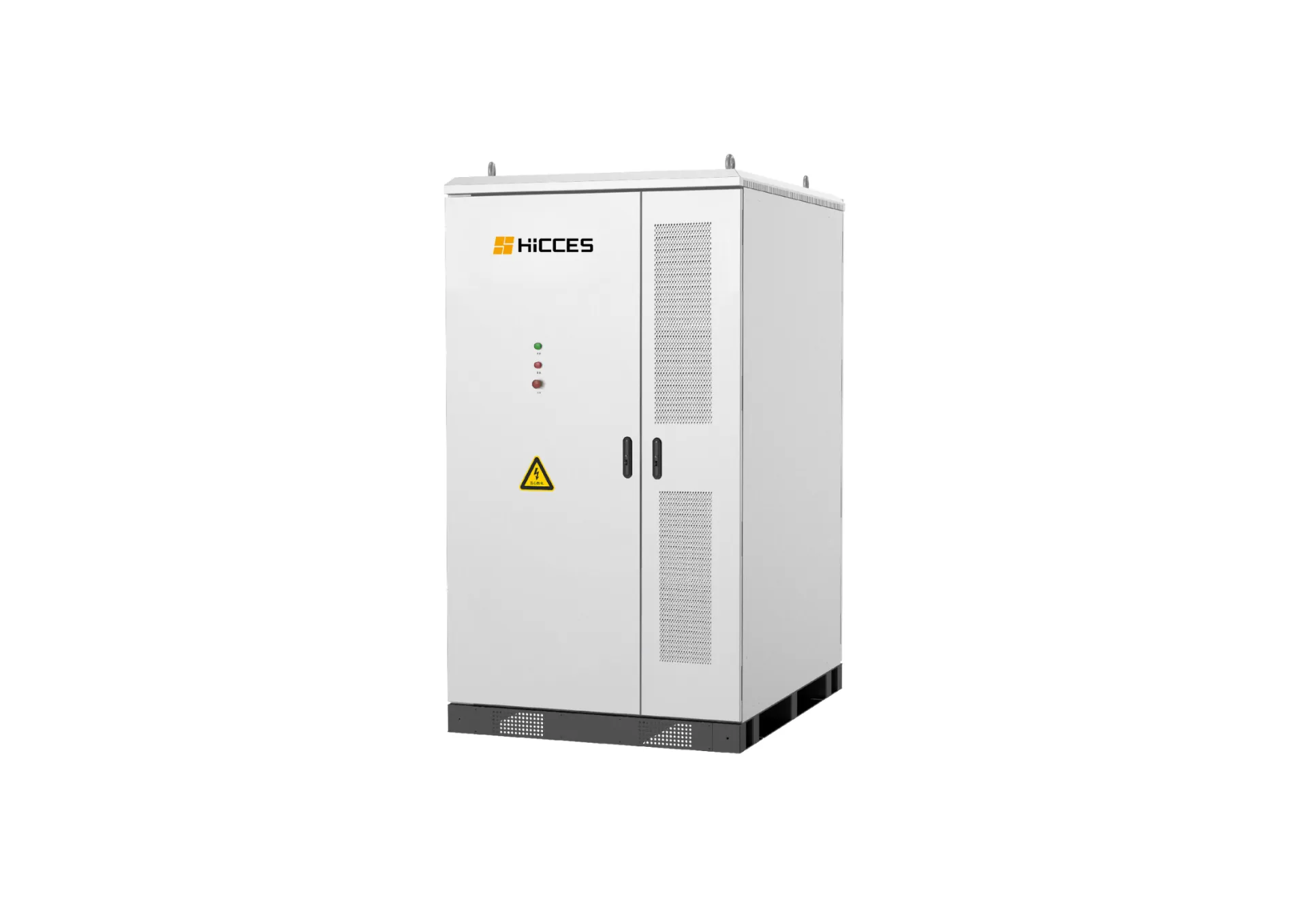
These specifications underline the robust engineering required for a high-performance Commercial-Industrial ESS Cabinet, ensuring it meets the stringent demands of industrial applications while maximizing energy efficiency and operational safety.
Manufacturing Process of Commercial-Industrial ESS Cabinet
The creation of a high-performance Commercial-Industrial ESS Cabinet is a meticulous multi-stage process, integrating advanced engineering, precision manufacturing, and rigorous quality control. This ensures each unit delivers optimal reliability, safety, and longevity in diverse industrial environments.
Process Flow
- Material Sourcing & Quality Inspection:
Raw materials, including high-grade steel (e.g., galvanized, stainless steel, or cold-rolled steel for enclosures), LiFePO4 battery cells from certified suppliers, power electronics components (IGBTs, capacitors), and wiring, are sourced. Incoming materials undergo stringent quality checks, including material composition analysis, dimensional accuracy, and performance verification to meet industry standards (e.g., ASTM, RoHS compliance).
- Enclosure Fabrication:
Using advanced CNC machining, steel sheets are precisely cut, bent, and formed into cabinet components. This includes laser cutting for intricate designs, hydraulic bending for structural integrity, and robotic welding to ensure robust, airtight, and corrosion-resistant seams. Surface preparation follows, involving cleaning, phosphating, and electrostatic powder coating for superior durability and protection against environmental factors, crucial for petrochemical or metallurgy industries. Custom features like specialized cable glands or ventilation openings are integrated.
- Battery Module Assembly:
Individual LiFePO4 cells are assembled into battery modules. This involves automated cell sorting, laser welding for low-resistance connections, and integration of module-level BMS components. Each module undergoes initial functional testing to confirm voltage, capacity, and internal resistance within specified tolerances.
- PCS & Control System Integration:
The Power Conversion System (PCS) and main control unit are assembled and tested independently. This includes circuit board mounting, component soldering, and firmware loading. These units are then integrated into the cabinet, with meticulous wiring and interconnection to the battery modules, thermal management system, and external communication ports.
- Thermal Management & Fire Suppression System Installation:
Active cooling/heating components (e.g., air conditioners, fans, heaters) and sensors are installed to ensure optimal battery operating temperatures. The integrated fire suppression system, designed to meet safety standards like NFPA 855 and UL 9540A, is meticulously fitted, including detection sensors and dispensing nozzles.
- System Assembly & Wiring:
All major subsystems – battery modules, PCS, BMS, thermal management, and safety systems – are carefully mounted within the cabinet. Internal wiring, busbar connections, and cable management are executed to precise specifications, minimizing electrical losses and enhancing safety. Grounding and insulation integrity are verified.
- Comprehensive Testing & Certification:
Each completed Commercial-Industrial ESS Cabinet undergoes rigorous multi-stage testing:
- Functional Testing: Verification of charge/discharge cycles, PCS efficiency, BMS communication, and operational modes.
- Safety Testing: Overcharge, over-discharge, short circuit, thermal runaway protection, and emergency shutdown mechanisms are tested.
- Environmental Stress Testing: Exposure to extreme temperatures, humidity, and vibration to simulate real-world conditions (e.g., IEC 60068 standards).
- Electromagnetic Compatibility (EMC) Testing: Ensuring minimal electromagnetic interference and susceptibility (e.g., IEC 61000 standards).
- Corrosion Resistance Testing: Salt spray tests for enclosures destined for harsh environments.
- Packaging & Shipment:
After passing all tests, the ESS cabinet is securely packaged for transport, ensuring protection against damage during shipping to various target industries.
This exhaustive process guarantees that each Commercial-Industrial ESS Cabinet delivered is of the highest quality, ready for deployment in critical applications like petrochemical facilities, metallurgy plants, or water supply & drainage systems, where features like energy saving through demand charge management and corrosion resistance are paramount.
Application Scenarios and Strategic Advantages
The versatility and robust design of Commercial-Industrial ESS Cabinet solutions enable their deployment across a wide spectrum of critical sectors, delivering significant operational and economic advantages.
Key Application Scenarios:
- Manufacturing Facilities & Factories: Implementing peak shaving strategies to minimize high demand charges, ensuring grid stability for sensitive machinery, and providing backup power for continuous production lines.
- Data Centers: Offering uninterruptible power supply (UPS) capabilities for critical IT infrastructure, enhancing power quality, and reducing reliance on traditional diesel generators.
- Commercial Buildings (Office Towers, Shopping Malls): Optimizing energy consumption through time-of-use (TOU) arbitrage, integrating with building management systems for smart energy distribution, and supporting EV charging stations.
- Renewable Energy Farms (Solar/Wind): Storing excess renewable energy for later dispatch, firming power output, and participating in grid services to improve grid stability and monetize renewable assets.
- Microgrids & Remote Installations: Providing independent power generation and storage for off-grid or weak-grid locations, enhancing energy independence and reliability for critical infrastructure.
- Petrochemical Industry: Ensuring stable power for continuous processes where interruptions can be catastrophic, providing backup for safety systems, and optimizing energy costs in high-consumption environments.
- Metallurgy and Heavy Industry: Managing large power fluctuations, reducing grid impact from heavy machinery, and securing power supply for critical melting and refining processes.
- Water Supply & Drainage Systems: Guaranteeing uninterrupted power for pumps and control systems to prevent service disruptions, critical for public health and environmental protection.
Technical Advantages:
- High Efficiency: State-of-the-art PCS achieve over 97% round-trip efficiency, minimizing energy losses during charging and discharging, leading to greater energy saving.
- Modularity and Scalability: Designs allow for easy expansion of energy and power capacity, enabling systems to grow with evolving business needs without major re-engineering.
- Advanced BMS and AI Integration: Intelligent BMS optimizes battery performance and longevity, while AI-driven predictive analytics forecast energy needs and proactively manage system health, reducing downtime.
- Robust Environmental Durability: Enclosures feature high IP ratings (e.g., IP54/IP65) and advanced coatings for superior corrosion resistance, making them suitable for harsh outdoor and industrial environments.
- Enhanced Safety Protocols: Multi-layered safety features, including cell-level monitoring, active thermal management, and integrated fire suppression, adhere to strict international safety standards (UL 9540, IEC 62619).
- Remote Monitoring and Control: Cloud-based platforms provide real-time performance data, remote diagnostics, and control capabilities, optimizing operational efficiency and reducing on-site maintenance requirements.
- Seamless Grid Integration: Designed for easy integration with existing grid infrastructure, renewable energy sources, and building management systems, ensuring flexible and adaptive energy management.
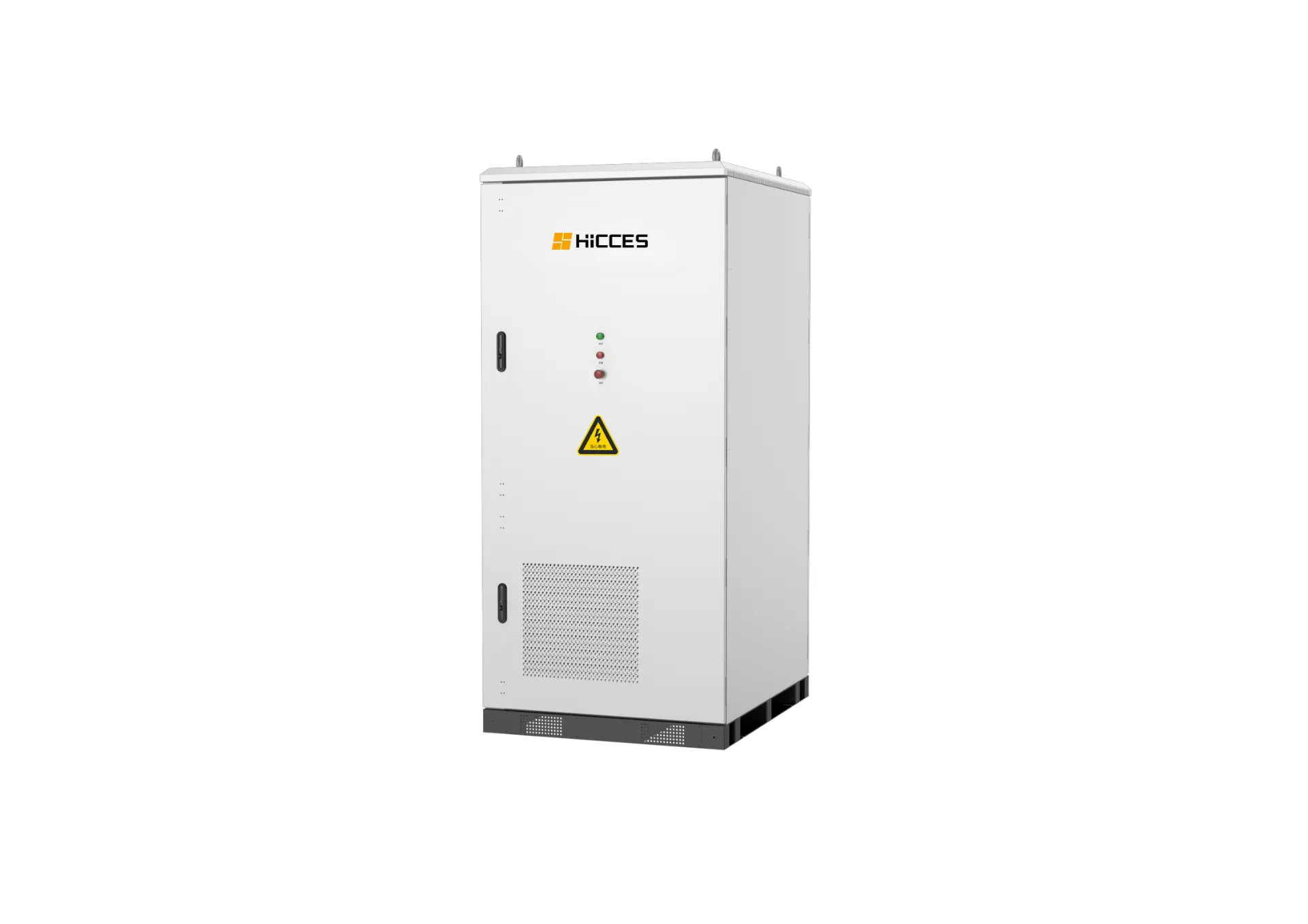
These strategic advantages make the Commercial-Industrial ESS Cabinet an indispensable asset for businesses aiming to optimize energy costs, enhance operational resilience, and advance their sustainability objectives in the modern energy landscape.
Vendor Comparison & Customized Solutions
Selecting the right ESS provider for a commercial or industrial application requires a comprehensive evaluation beyond just price. Key differentiators among vendors lie in their technological depth, service capabilities, and commitment to customized solutions that address unique operational challenges.
Key Differentiators in ESS Providers:
| Feature Area | Leading ESS Provider Attributes | Standard Provider Attributes |
|---|---|---|
| Battery Technology & Safety | Proprietary LiFePO4 cells with superior thermal stability, integrated multi-level BMS, active fire suppression, UL/IEC certified. | Off-the-shelf cells, basic BMS, passive safety features, limited certifications. |
| System Integration & Intelligence | Seamless integration with existing infrastructure (BMS, SCADA), AI-driven energy management software, predictive analytics, robust communication protocols. | Basic local control, limited integration options, reactive monitoring. |
| Customization & Modularity | Highly modular design for specific power/energy ratios, tailored enclosure solutions (e.g., anti-corrosion for coastal/chemical plants), flexible control algorithms. | Fixed configurations, limited environmental adaptations, standard control. |
| Service & Support | Comprehensive pre-sales consultation, global installation support, 24/7 remote monitoring, proactive maintenance, extended warranties, fast spare parts fulfillment. | Basic troubleshooting, regional support, standard warranty. |
| Environmental Robustness | High IP ratings (IP65), advanced thermal management for extreme conditions, specialized coatings for corrosion resistance. | Standard IP ratings (IP20-IP54), basic cooling, no specialized protection. |
Customized Solutions: Tailored to Your Specific Needs
Recognizing that no two industrial applications are identical, leading providers of Commercial-Industrial ESS Cabinet solutions emphasize customized approaches. This involves:
- Capacity and Power Scaling: Tailoring the precise energy (kWh) and power (kW) ratings to match the facility's demand profile, renewable generation capacity, and specific use cases (e.g., long-duration backup vs. short-burst peak shaving).
- Environmental Adaptations: Designing enclosures with specific IP ratings, anti-corrosion treatments, or specialized thermal management systems for deployment in challenging environments such as coastal areas, extreme climates, or industrial sites with corrosive atmospheres (e.g., chemical plants, mines).
- Integration with Existing Infrastructure: Developing bespoke communication interfaces and control algorithms to ensure seamless integration with existing Building Management Systems (BMS), SCADA systems, or enterprise resource planning (ERP) software.
- Application-Specific Software Features: Customizing energy management software to prioritize specific functions, such as advanced demand response participation, precise renewable energy curtailment, or optimized charging schedules based on variable electricity tariffs.
- Compliance with Local Regulations: Ensuring the ESS cabinet meets specific local electrical codes, grid interconnection requirements, and environmental regulations of the deployment region.
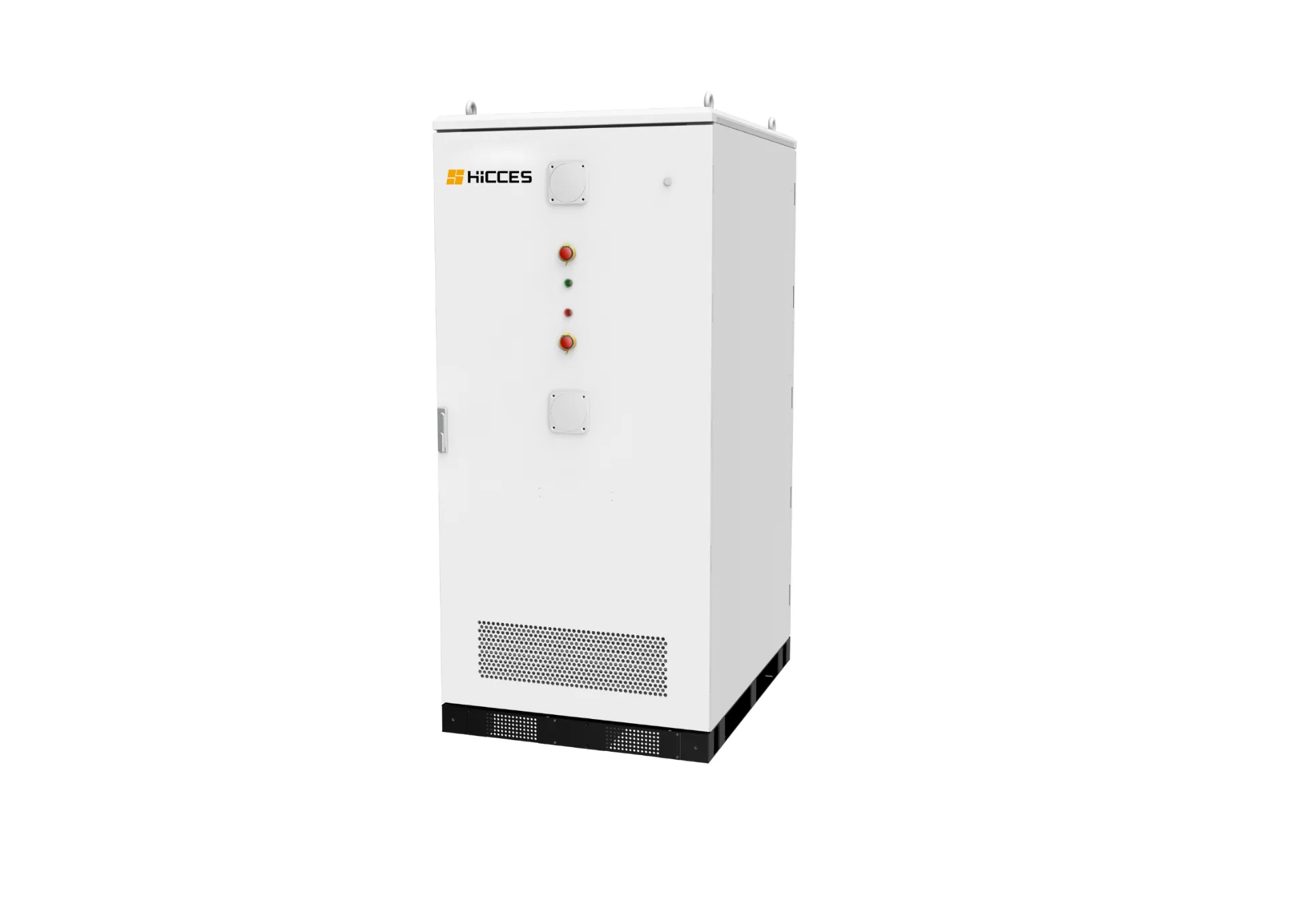
By focusing on these customized solutions, providers can deliver an ESS that not only meets immediate energy storage needs but also offers long-term value, adaptability, and optimal return on investment for the industrial client.
Application Case Studies & Client Successes
Real-world deployments demonstrate the tangible benefits of a well-engineered Commercial-Industrial ESS Cabinet. These case studies highlight how businesses have leveraged energy storage to achieve significant operational and financial improvements.
Case Study 1: Large-Scale Manufacturing Plant Energy Optimization
- Client Profile: A major automotive components manufacturer with high, fluctuating energy demands and significant peak load charges.
- Challenge: Reducing electricity costs, particularly demand charges, and improving power quality for sensitive robotics.
- Solution: Deployment of a 1.5 MW / 3 MWh Commercial-Industrial ESS Cabinet system, integrated with their existing rooftop solar array. The ESS was programmed to perform peak shaving during critical production hours and absorb excess solar generation.
- Results:
- Average 25% reduction in monthly electricity bills, primarily from demand charge mitigation.
- Enhanced power quality, leading to a 15% reduction in production line downtime due to voltage sags.
- Increased renewable energy self-consumption from 60% to over 90%.
- Payback period estimated at 4.5 years.
Case Study 2: Remote Water Treatment Plant Resilience
- Client Profile: A municipal water treatment facility located in a rural area prone to grid instability and prolonged outages.
- Challenge: Ensuring continuous operation of critical pumping and purification systems despite an unreliable grid connection, minimizing reliance on expensive and polluting diesel generators.
- Solution: Installation of a 500 kW / 1 MWh Commercial-Industrial ESS Cabinet alongside a newly installed solar array. The system was configured for seamless transition to island mode during outages and provided primary power when grid rates were high.
- Results:
- Complete elimination of diesel generator usage for routine backup, saving 70% in fuel and maintenance costs.
- Achieved 99.9% uptime for the water treatment process, ensuring public health and safety.
- Significant reduction in carbon emissions, contributing to local sustainability goals.
These instances underscore the transformative potential of advanced energy storage in driving operational efficiency, cost savings, and environmental stewardship across various industrial and commercial domains.
Trust & Support: FAQ, Lead Time, Warranty, and After-Sales
Frequently Asked Questions (FAQ)
Q1: What is the typical lifespan of a Commercial-Industrial ESS Cabinet?
A1: Our ESS cabinets are designed for a system operational life of 15+ years. The LiFePO4 battery cells typically offer a cycle life of 6,000 to 8,000 cycles at 80% Depth of Discharge (DoD), translating to 10-15 years of active use depending on usage patterns and environmental conditions. The overall system structure and power electronics are built for even longer durations.
Q2: How does the ESS integrate with existing facility infrastructure and renewable energy sources?
A2: Our Commercial-Industrial ESS Cabinet solutions are equipped with advanced communication protocols (Modbus TCP/IP, CAN bus, Ethernet) and intelligent control systems that ensure seamless integration with existing Building Management Systems (BMS), SCADA, and various renewable energy inverters (solar, wind). This allows for harmonized energy management and optimized performance.
Q3: What safety features are incorporated into your ESS cabinets?
A3: Safety is paramount. Our ESS cabinets include multi-layered safety features such as a sophisticated Battery Management System (BMS) for cell-level monitoring and protection, active thermal management systems, fault current limiting, arc flash protection, and an integrated, automatic fire suppression system. All designs adhere to stringent international safety standards like UL 9540, IEC 62619, and NFPA 855.
Q4: Can these systems operate in harsh environments?
A4: Absolutely. Our Commercial-Industrial ESS Cabinet enclosures are designed with high Ingress Protection (IP54 to IP65) ratings, providing robust protection against dust, water, and corrosion. Coupled with advanced thermal management, they are built to withstand extreme temperatures ranging from -20°C to +55°C, making them ideal for diverse industrial and outdoor applications, including coastal regions and heavy industry.
Lead Time and Fulfillment
Our streamlined manufacturing and supply chain processes ensure efficient delivery. Typical lead times for standard Commercial-Industrial ESS Cabinet configurations range from 12 to 16 weeks from order confirmation, depending on system size and customization requirements. For highly customized solutions or very large-scale projects, specific timelines will be provided after detailed project scope analysis. We prioritize clear communication throughout the order fulfillment process, providing regular updates from production to delivery.
Warranty Commitments
We stand by the quality and performance of our products with robust warranty provisions:
- Battery Modules: A standard 10-year warranty, guaranteeing a minimum of 70-80% of original capacity retention (depending on model) after the warranty period, or a specified number of cycles.
- Power Conversion System (PCS) & BMS: A 5-year standard warranty, covering defects in materials and workmanship.
- Enclosure & Other Components: A 2-year standard warranty against manufacturing defects.
Extended warranty options are available upon request to provide clients with additional peace of mind and long-term asset protection.
Customer Support & After-Sales Services
Our commitment extends far beyond the sale. We provide comprehensive after-sales support designed to ensure continuous, optimal operation of your ESS:
- 24/7 Technical Support: Our dedicated support team is available around the clock to address any technical inquiries or operational issues.
- Remote Monitoring & Diagnostics: All systems are equipped with advanced remote monitoring capabilities, allowing for proactive fault detection, performance optimization, and rapid troubleshooting without requiring on-site visits.
- Preventive Maintenance Programs: Tailored maintenance schedules and service plans are offered to maximize system lifespan and efficiency.
- Spare Parts Availability: A readily available inventory of critical spare parts ensures quick replacements and minimal downtime.
- On-Site Service & Training: Our certified engineers provide on-site installation supervision, commissioning services, and comprehensive training for your operational staff.
We partner with our clients to ensure their energy storage investment delivers sustained value throughout its operational lifetime.
References
- International Renewable Energy Agency (IRENA). (2023). Battery Storage in Industrial Applications: Opportunities and Challenges. Abu Dhabi, UAE: IRENA Publications.
- U.S. Department of Energy (DOE). (2022). Energy Storage Technology and Cost Assessment for Grid Applications. Washington, D.C.: Office of Electricity.
- Institute of Electrical and Electronics Engineers (IEEE). (2021). Standards for Grid Interconnection of Energy Storage Systems. New York, NY: IEEE Press.
- National Fire Protection Association (NFPA). (2020). NFPA 855: Standard for the Installation of Stationary Energy Storage Systems. Quincy, MA: NFPA.
- BloombergNEF. (2023). Energy Storage Market Outlook 2023. London, UK: BloombergNEF.