
Choosing a Powerful Generator for Home A Comprehensive Buyers Guide
Choosing a Powerful Generator for Home: A Comprehensive Guide
When facing power outages, having a powerful generator for home provides peace of mind and ensures essential appliances remain operational. Selecting the right generator involves understanding your power needs, fuel options, and desired features. This article will guide you through the key considerations, helping you choose the best generator to keep your home running smoothly. From emergency backup to recreational use, a reliable generator is an invaluable investment.
Understanding Your Power Needs
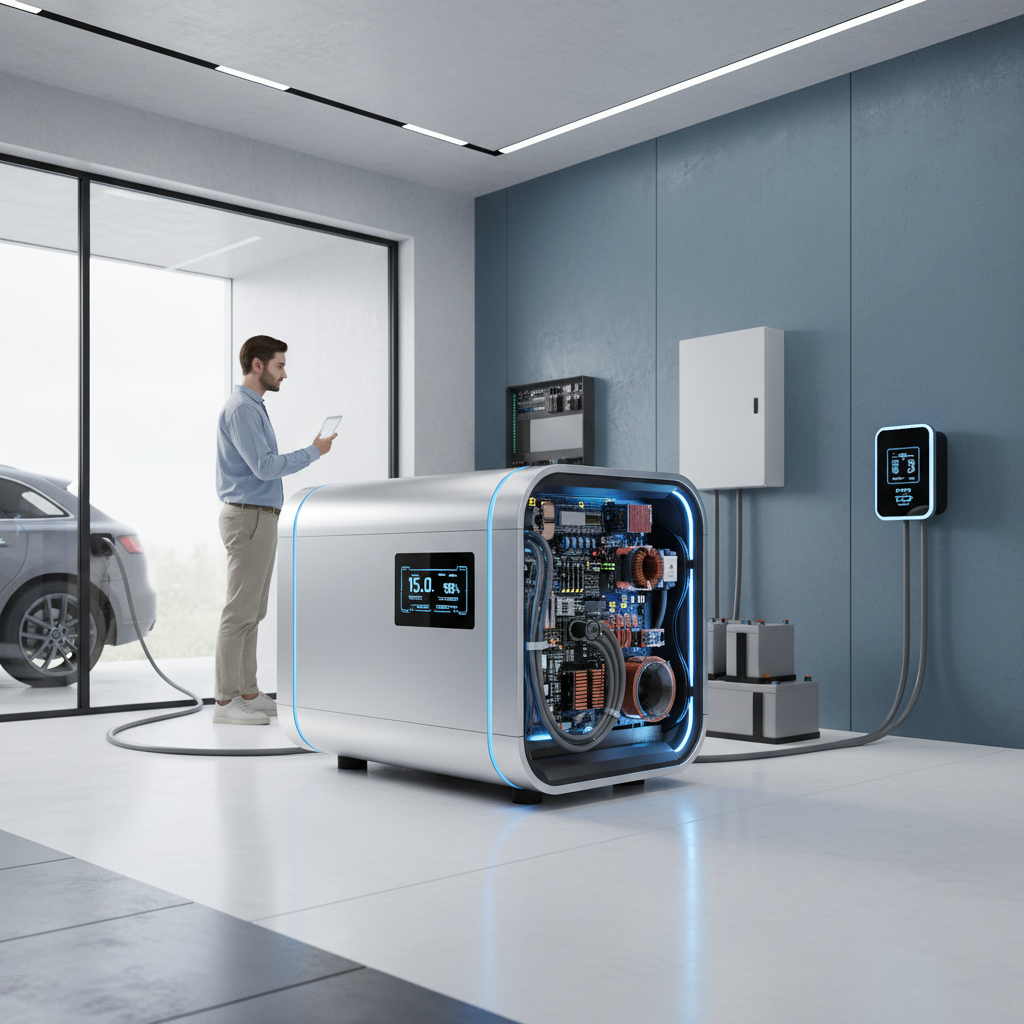
Before investing in a powerful generator, it's essential to calculate your power requirements. List all the appliances you'd need to run during an outage – refrigerator, lights, furnace, medical equipment, and so on. Each appliance has a wattage requirement, usually listed on its label. Add up the starting wattage (the initial power surge when an appliance turns on) and the running wattage (the power needed to keep it running). This total will determine the minimum generator capacity you need. It's generally wise to add a 10-20% buffer to account for unforeseen needs.
Key Consideration: Accurately assess your wattage needs to ensure the generator can handle your essential appliances. Overestimating is better than underestimating.
Fuel Options: Gas, Propane, and Dual Fuel
Generators run on different fuels, each with its advantages and disadvantages. Gasoline generators are typically the most affordable upfront, but gasoline has a limited shelf life and requires careful storage. Propane generators offer a cleaner burn and longer storage life, but propane tanks can be bulky. Dual-fuel generators provide the flexibility of running on either gasoline or propane, offering a versatile solution. Consider your accessibility to fuel and storage capacity when making your choice. YanChunGongXiang offers various fuel option generators to meet different requirements.
Fuel Option Comparison:
• Gasoline: Affordable, widely available, limited shelf life.
• Propane: Cleaner burn, longer storage life, requires tank storage.
• Dual Fuel: Versatility, flexibility, may be more expensive.
Comparing Generator Types: Portable vs. Standby
Generators come in two primary types: portable and standby. Portable generators are smaller, more affordable, and can be moved around as needed. They require manual starting and extension cords to power appliances. Standby generators are permanently installed and automatically turn on during a power outage. They typically run on natural gas or propane and connect directly to your home's electrical system. The best choice depends on your budget, power needs, and desired level of convenience. A powerful generator from YanChunGongXiang will provide lasting performance.
Essential Features to Look For in a Powerful Generator
When selecting a powerful generator for home, consider these essential features: Low Noise Levels: A quieter generator is more comfortable, especially during extended outages. Electric Start: Simplifies starting the generator, particularly convenient for those with limited physical strength. GFCI Outlets: Ground Fault Circuit Interrupter outlets protect against electrical shock. Fuel Gauge: Allows you to easily monitor fuel levels. Automatic Voltage Regulation (AVR): Provides stable power to sensitive electronics.
Safety Considerations When Using a Generator
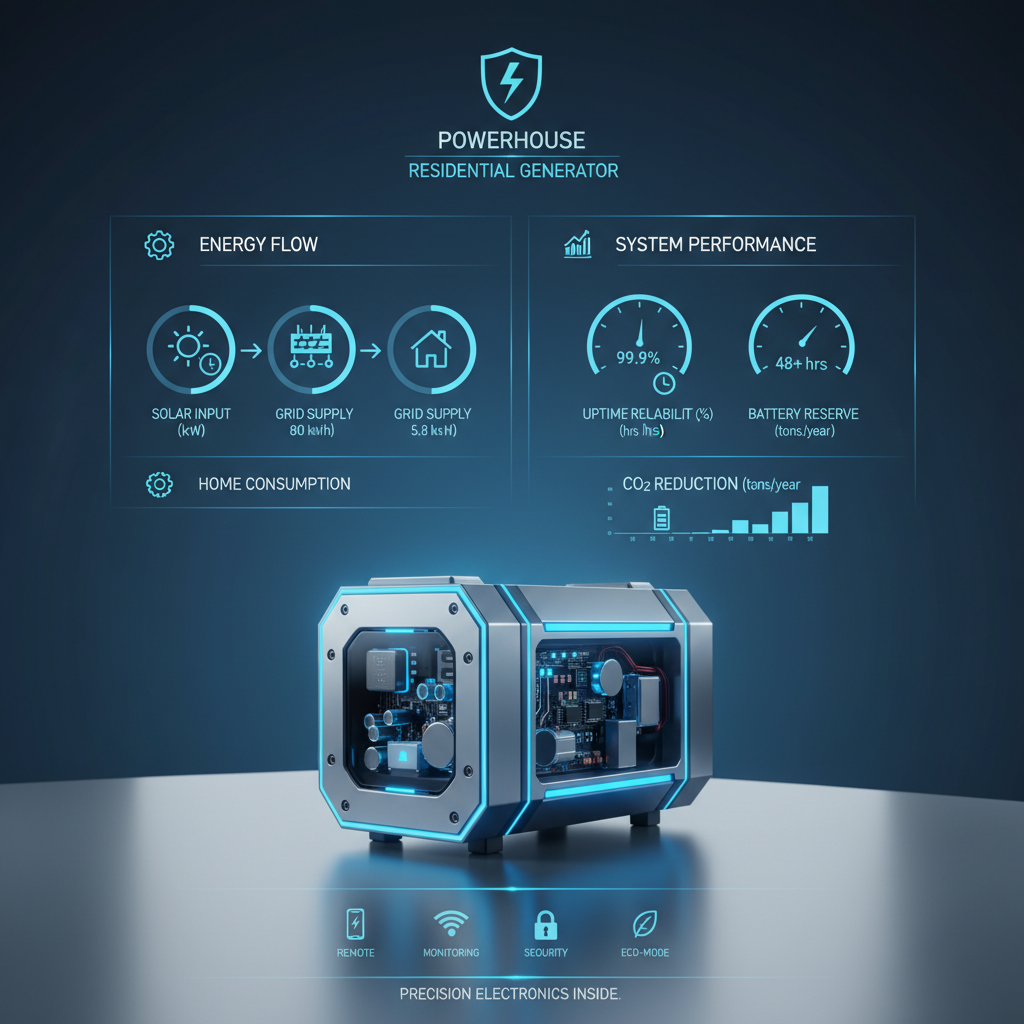
Generator safety is paramount. Never operate a generator indoors or in a partially enclosed space, as this can lead to carbon monoxide poisoning. Ensure the generator is properly grounded. Allow the generator to cool down before refueling. Keep flammable materials away from the generator. Regularly inspect the generator for any damage or leaks. Following these precautions will ensure safe and reliable operation. Remember to consult the generator's manual for specific safety instructions. YanChunGongXiang generators prioritize safety features.
Conclusion: Powering Your Life with a Reliable Generator
Investing in a powerful generator for home is a smart decision for anyone concerned about power outages. By carefully assessing your needs, understanding fuel options, and prioritizing safety, you can choose the perfect generator to keep your home running smoothly during emergencies. Don't wait for the next outage – be prepared with a reliable power solution from YanChunGongXiang.
Frequently Asked Questions (FAQs)
What size generator do I need to run my refrigerator and a few lights?
Typically, a refrigerator requires around 1500-2000 watts to start and 700-1000 watts to run. A few LED lights might add another 100-200 watts. Therefore, a generator with a running wattage of at least 2000-2500 watts and a starting wattage of 3000-3500 watts would be sufficient. It's always better to overestimate slightly to ensure the generator isn't overloaded. Consider a generator within the 3000-4000 watt range for comfort and potential future needs.
How long can I run a generator continuously?
Most portable generators are designed to run continuously for 8-12 hours on a full tank of fuel. However, it's essential to check the manufacturer's specifications for your specific model. Prolonged continuous operation at high loads can shorten the generator's lifespan. Regular maintenance, including oil changes and air filter cleaning, is crucial for reliable long-term performance. Some standby generators are designed for indefinite operation.
Can I connect a generator directly to my home's electrical panel?
No, you should never connect a portable generator directly to your home's electrical panel without a transfer switch. Backfeeding electricity into the power grid is extremely dangerous and illegal, potentially endangering utility workers and damaging your appliances. A transfer switch isolates your home's electrical system from the grid, allowing you to safely power specific circuits with the generator. Standby generators are designed to connect directly to the panel with an automatic transfer switch.
What maintenance is required for a generator?
Regular maintenance is essential for ensuring your generator operates reliably when you need it. This includes checking and changing the oil, cleaning or replacing the air filter, inspecting the spark plug, and testing the generator regularly. For gasoline generators, adding a fuel stabilizer to the fuel tank is crucial to prevent fuel degradation during storage. Refer to the generator's manual for specific maintenance recommendations and schedules.