
Choosing the Best Propane Powered Generator for Home Backup Power
Choosing the Right Propane Powered Generator for Home: A Comprehensive Guide
When facing power outages, a reliable backup power source is crucial. Propane powered generators for home offer a clean, efficient, and convenient solution. Unlike gasoline generators, propane produces fewer emissions and stores more easily. This article will delve into the benefits, key considerations, and top features of propane generators, helping you select the best option for your home. We'll explore factors like wattage, fuel efficiency, and safety features, and point you towards resources at Yanchungongxiang.
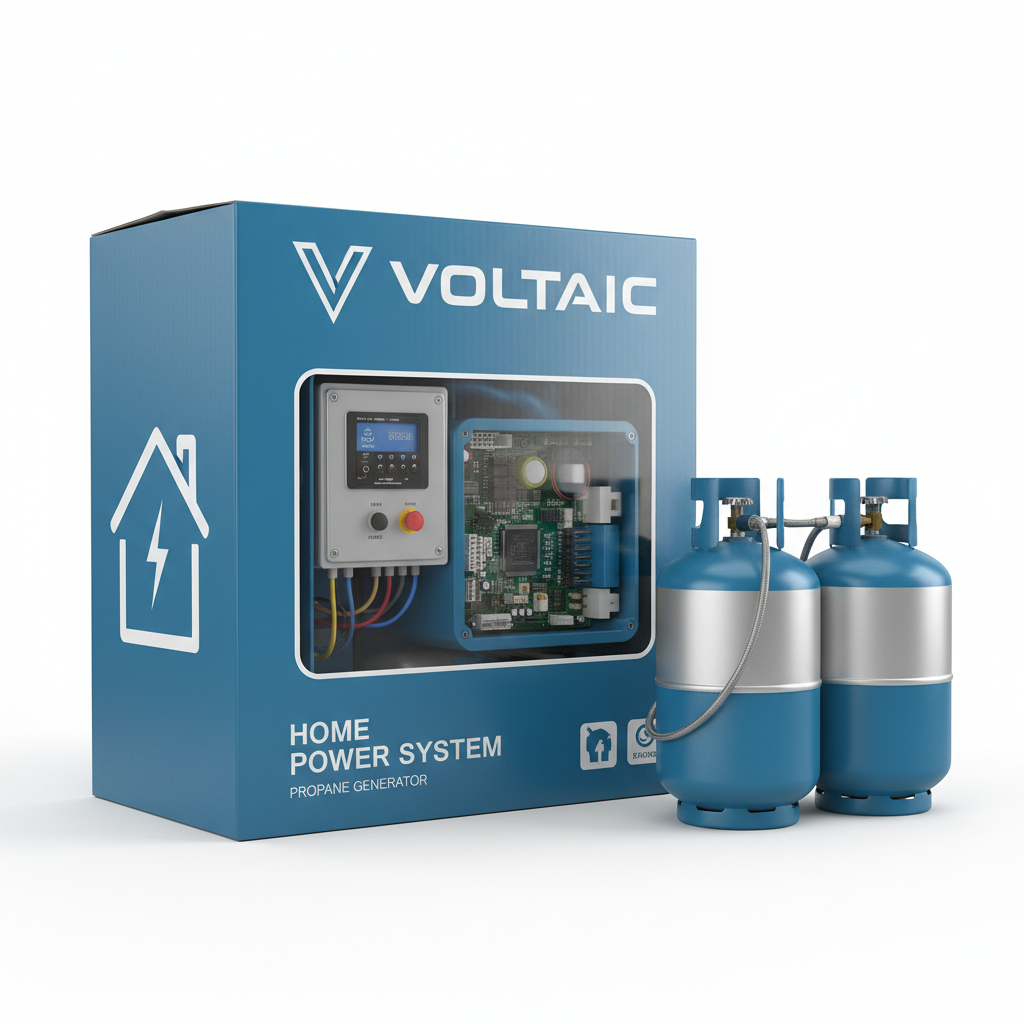
Benefits of Using Propane Generators
Propane generators offer several advantages over traditional gasoline or diesel models. Firstly, propane boasts a longer shelf life, meaning you don't need to worry about fuel degradation during storage. Secondly, propane burns cleaner, producing fewer harmful emissions, making it a more environmentally friendly option. Thirdly, propane is readily available and often less expensive than gasoline. Finally, a propane powered generator for home is typically quieter during operation, providing a more peaceful backup power solution. Investing in a propane generator is a strategic move toward reliable and sustainable power.
Key Highlights: Longer shelf life, cleaner burning, readily available fuel, quieter operation, and environmentally friendly.
Sizing Your Propane Powered Generator for Home: Calculating Your Wattage Needs
Determining the correct wattage is crucial for choosing the right generator. Start by listing all the appliances and devices you want to power during an outage. Note their running wattage (the power they need to operate continuously) and their starting wattage (the surge of power needed to start). Add up the running wattages of all the devices you'll use simultaneously. Then, add the highest starting wattage of any single appliance to this total. This sum represents the minimum wattage your generator should provide. Don't underestimate your needs—it’s better to have a slightly oversized generator than one that struggles to handle the load. For a more detailed assessment, Yanchungongxiang offers guidance and resources to help you calculate your specific power requirements.
Wattage Calculation Checklist:
• List all essential appliances.
• Note running and starting wattage for each.
• Sum the running wattages.
• Add the highest starting wattage.
Propane vs. Gasoline Generators: A Side-by-Side Comparison
While both propane and gasoline generators provide backup power, they differ significantly in several key areas. Propane offers a cleaner burn and longer storage life, making it a more convenient and eco-friendly option. Gasoline, however, is often more readily available in emergency situations. The following table summarizes the key distinctions:
Safety Considerations for Propane Generators
Safety is paramount when operating any generator. Always operate a propane powered generator for home outdoors in a well-ventilated area, away from windows, doors, and vents. Never operate a generator inside your home or garage, as carbon monoxide poisoning is a serious risk. Regularly inspect the propane tank and hoses for leaks. Ensure you have working carbon monoxide detectors installed throughout your home. Store propane tanks properly, away from heat sources and direct sunlight. Follow the manufacturer’s instructions carefully for operation and maintenance.
Choosing the Right Model: Key Features to Look For
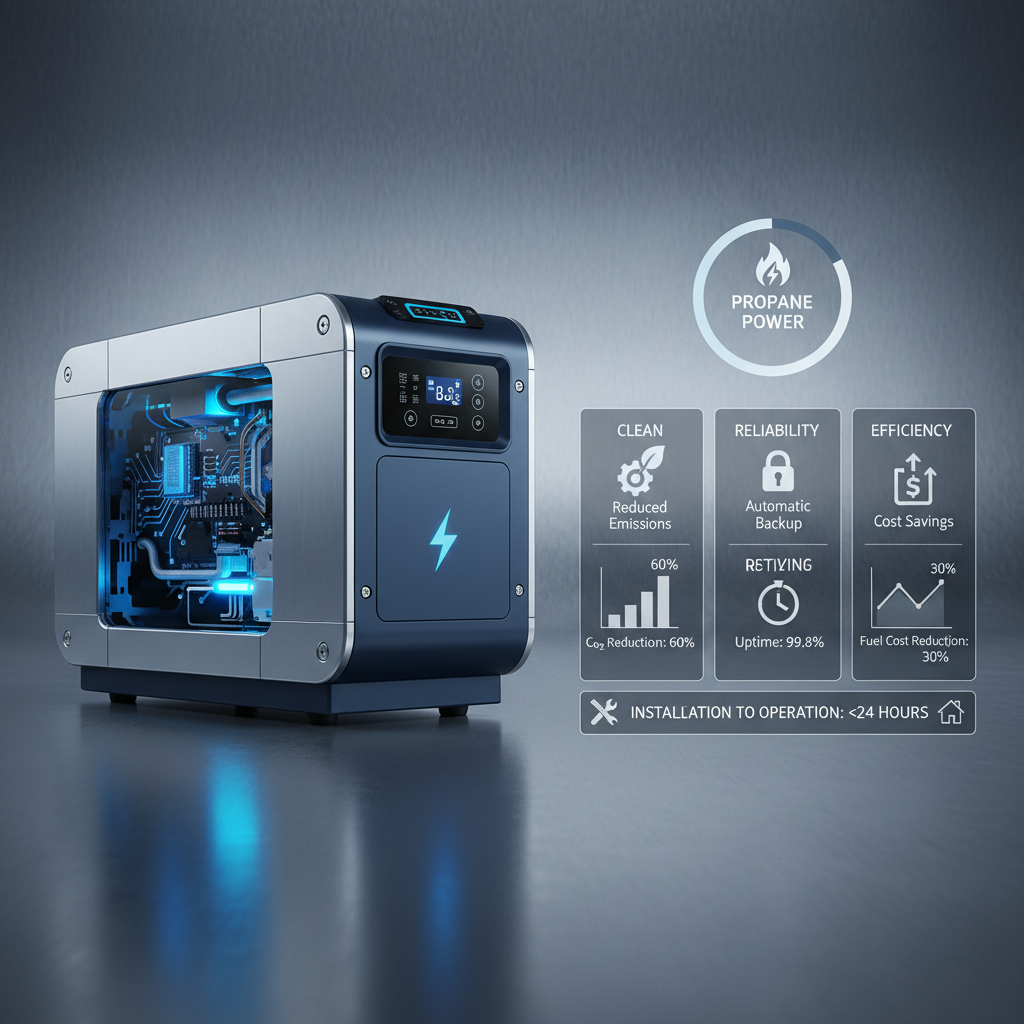
When selecting a propane generator, consider features like automatic voltage regulation (AVR) to protect sensitive electronics, a low-oil shutdown to prevent engine damage, and electric start for ease of use. Look for models with a durable frame and a quiet operation level. Consider a generator with a digital display for monitoring key parameters like voltage, frequency, and runtime. Yanchungongxiang offers a wide range of propane generators with varying features and specifications to meet your specific needs.
Conclusion: Powering Peace of Mind with Propane
Investing in a propane powered generator for home provides peace of mind during power outages. With its clean operation, long fuel storage life, and reliable performance, propane offers a superior alternative to gasoline. By carefully assessing your power needs and prioritizing safety, you can choose the perfect generator to keep your home running smoothly when the grid goes down.
Frequently Asked Questions (FAQs)
How much propane does a generator consume?
Propane consumption varies depending on the generator’s wattage and load. Generally, a 10kW propane generator running at 50% load will consume approximately 0.5 gallons of propane per hour. It’s crucial to check the generator’s specifications for precise fuel consumption rates. Factors like ambient temperature and altitude can also affect propane consumption. For accurate calculations and to understand propane usage for specific models, visit Yanchungongxiang for detailed product information.
Can I convert a gasoline generator to run on propane?
While conversion kits are available, converting a gasoline generator to propane is generally not recommended. It often requires significant modifications and may void the generator’s warranty. Additionally, converted generators may not operate as efficiently or reliably as those designed specifically for propane. It’s much safer and more efficient to invest in a generator that is specifically engineered to run on propane.
What size propane tank do I need for a generator?
The propane tank size depends on your generator’s consumption rate and how long you need it to run. A typical 20-pound propane tank will provide around 48 hours of runtime for a 7.5kW generator running at 50% load. Larger tanks, such as 30 or 40-pound tanks, will provide longer runtimes. Consider the frequency and duration of power outages in your area when choosing the appropriate tank size. Yanchungongxiang can help you determine the optimal tank size for your generator and power needs.
Where should I store my propane tank?
Propane tanks should be stored outdoors in a well-ventilated area, away from heat sources, direct sunlight, and ignition sources. Ensure the tank is placed on a level surface and secured to prevent it from tipping over. Never store propane tanks inside a home, garage, or enclosed space. Follow all local regulations and safety guidelines for propane storage.