
Essential Guide to Choosing the Right Gas Powered Generator for House Use
Gas Powered Generator for House: A Comprehensive Guide
When facing power outages, having a reliable backup power source is crucial. A gas powered generator for house provides the energy you need to keep essential appliances running. This article will delve into the benefits, types, sizing, safety considerations, and maintenance tips for these generators, helping you choose the best option for your home. Investing in a generator is an investment in peace of mind, protecting your comfort and essential systems during unforeseen disruptions.
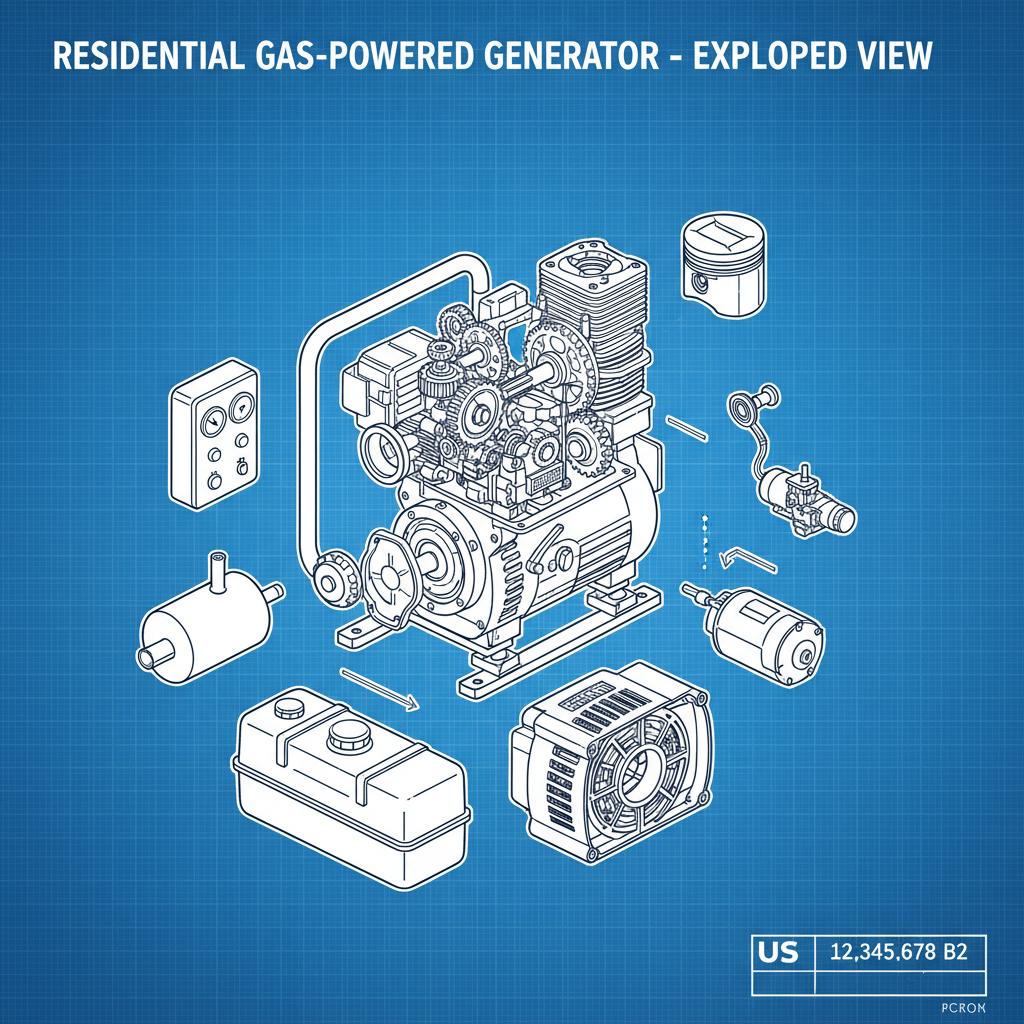
Understanding the Benefits of a Gas Powered Generator
Gas powered generators are a popular choice for home backup power due to their affordability and readily available fuel source. Unlike diesel generators, they are generally quieter and produce fewer emissions. Natural gas is often piped directly into homes, eliminating the need for fuel storage, while propane generators offer a convenient and portable alternative. A generator ensures you can continue to power essential appliances like refrigerators, heating systems, medical devices, and lighting during grid failures. The convenience and reliability they offer make them a worthwhile investment for any homeowner.
Key Highlights: Offers affordability, fuel availability, quieter operation, and powers essential appliances during outages.
Types of Gas Powered Generators for Home Use
There are several types of gas powered generators available for residential use. Portable generators are the most common and affordable option, ideal for powering essential appliances. Inverter generators are quieter and produce cleaner power, making them suitable for sensitive electronics. Standby generators are permanently installed and automatically kick in when the power goes out, providing seamless backup power. Dual-fuel generators can run on both gasoline and propane, offering fuel flexibility. Understanding the differences will help you choose the best fit for your needs.
Generator Type Overview:
• Portable Generators: Affordable, versatile, and easy to move.
• Inverter Generators: Quiet, clean power, ideal for sensitive electronics.
• Standby Generators: Automatic operation, seamless backup power.
• Dual-Fuel Generators: Fuel flexibility (gasoline & propane).
Sizing Your Gas Generator: Calculating Your Power Needs
Determining the right size generator is critical. You need to calculate the wattage required to run the appliances you want to power during an outage. Start by listing all essential appliances and their wattage requirements (usually found on the appliance label). Add up the running wattage for all appliances you'll use simultaneously. Then, add a surge wattage requirement for appliances with motors (like refrigerators) that require extra power to start. Yanchungongxiang offers resources to help you with power calculations and generator sizing.
Safety Considerations When Using a Gas Generator
Safety is paramount when operating a gas powered generator. Never run a generator indoors or in partially enclosed spaces, as this can lead to carbon monoxide poisoning. Always operate the generator outdoors, at least 20 feet away from your home, with the exhaust pointed away. Use a carbon monoxide detector with battery backup. Store fuel safely in approved containers and away from heat sources. Regularly inspect the generator for leaks and ensure proper grounding to prevent electrical shock. Familiarize yourself with the generator’s operating manual and follow all safety guidelines.
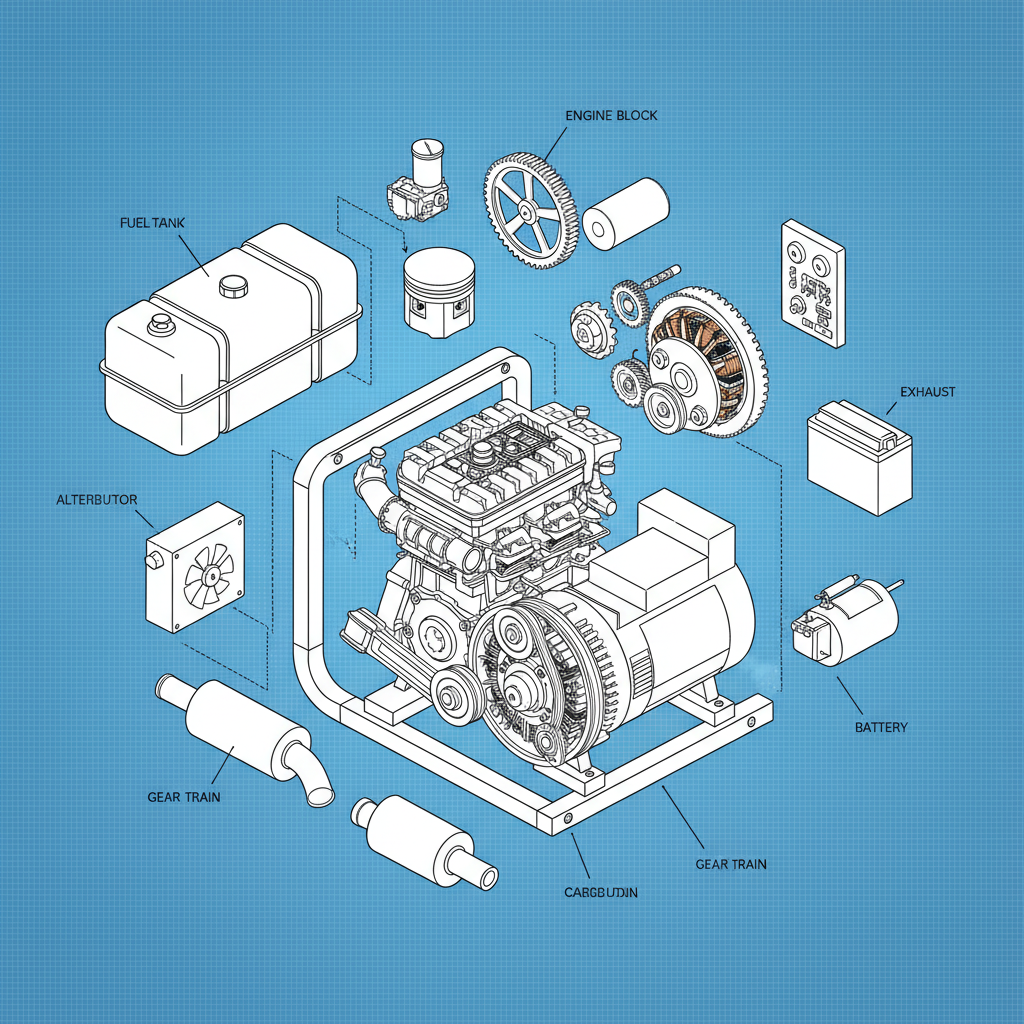
Maintenance Tips for Longevity
Proper maintenance is crucial for extending the life of your gas powered generator. Regularly check the oil level and change the oil according to the manufacturer’s recommendations. Clean the air filter to ensure optimal engine performance. Inspect the spark plug and replace it when necessary. Stabilize the fuel if the generator is stored for extended periods. Periodically run the generator under load to keep the engine lubricated and prevent corrosion. Yanchungongxiang provides maintenance services and parts for a wide range of generators.
Conclusion: Powering Your Life with a Reliable Gas Generator
A gas powered generator for house is a vital investment for homeowners seeking backup power during outages. By understanding the different types, sizing your generator correctly, prioritizing safety, and performing regular maintenance, you can ensure a reliable and long-lasting power solution. Don't wait for the next outage – prepare now and enjoy peace of mind.
Frequently Asked Questions (FAQs)
How often should I change the oil in my gas generator?
Generally, you should change the oil in your gas generator every 50-100 hours of operation, or at least once a year, even if you haven’t used it extensively. Refer to your generator’s owner’s manual for the specific recommendation for your model. Using the correct type of oil is crucial for engine performance and longevity. Always dispose of used oil responsibly at a designated recycling facility.
What fuel is best for a gas generator – gasoline or propane?
Both gasoline and propane have their advantages. Gasoline is readily available and generally provides slightly more power. However, propane stores better long-term, is cleaner burning, and produces fewer emissions. Dual-fuel generators offer the flexibility to switch between the two, allowing you to choose based on availability and preference. Consider your storage capabilities and environmental concerns when making your decision.
Can I run a gas generator during a hurricane?
Yes, but with extreme caution. Never operate a generator indoors or in an enclosed space during a hurricane, as this is extremely dangerous due to the risk of carbon monoxide poisoning. Secure the generator to prevent it from being blown away by high winds. Protect it from rain and flooding. Follow all safety guidelines outlined in the owner’s manual and be aware of your surroundings. Prioritize safety above all else during severe weather events.
What is a transfer switch and why is it important?
A transfer switch safely connects your generator to your home's electrical system, allowing you to power specific circuits without backfeeding electricity into the power grid. Backfeeding is extremely dangerous for utility workers and can damage your generator. A transfer switch isolates your home's electrical system from the grid, ensuring safe and reliable operation of your generator. It's highly recommended to have a qualified electrician install a transfer switch.