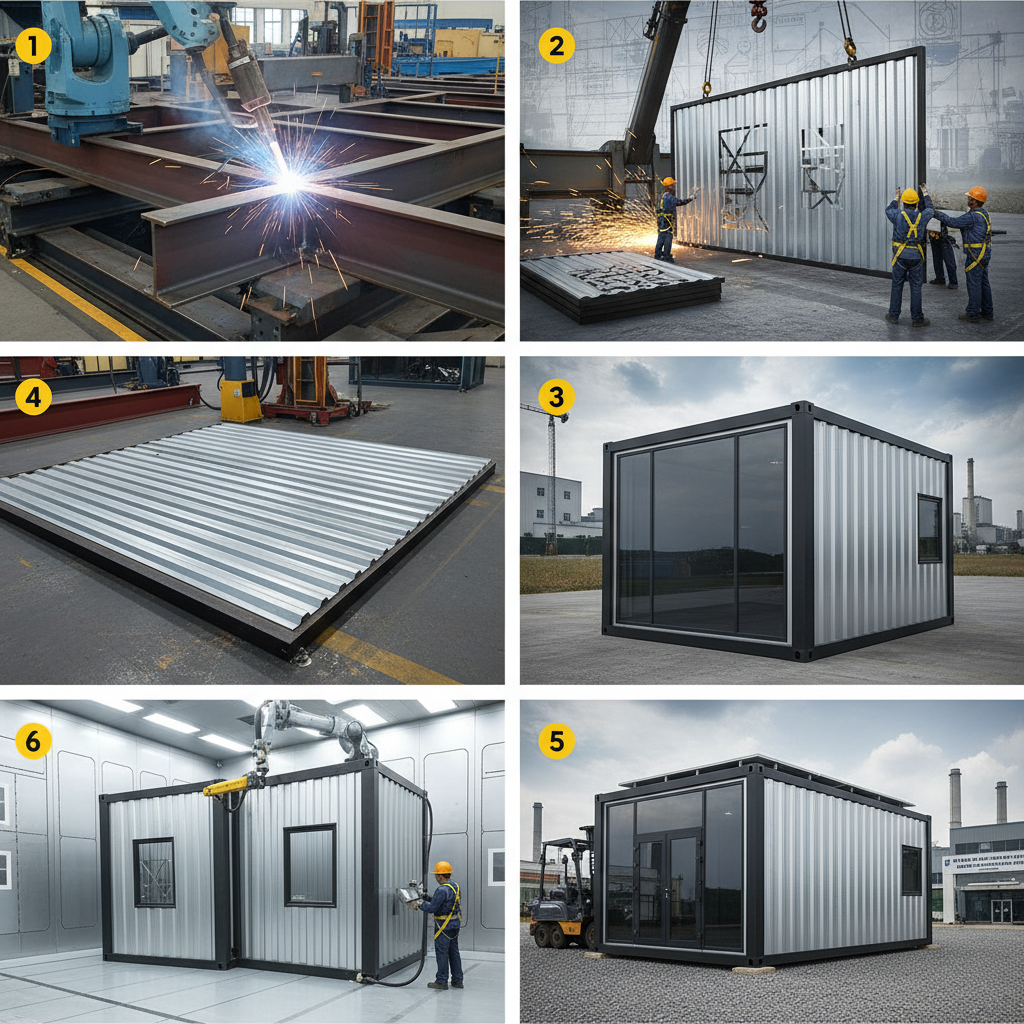
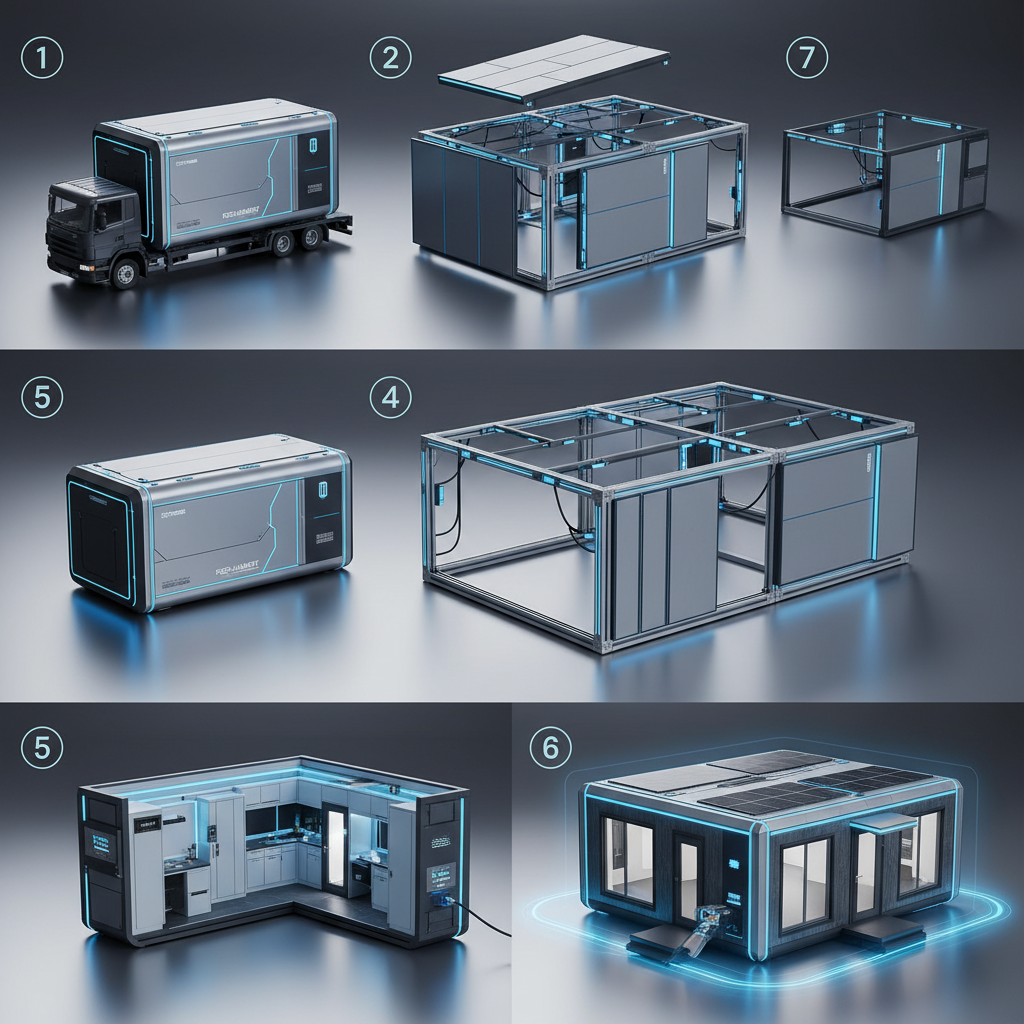
The global demand for rapid-deployment housing has seen an unprecedented surge, driving the innovation of portable folding houses as a primary solution for modern infrastructure. These structures represent a paradigm shift in the metal fabrication industry, moving away from static construction toward dynamic, scalable environments that can be deployed in hours rather than months.
From addressing sudden urban housing shortages to providing critical support in remote industrial sites, the versatility of these units is unmatched. By integrating precision-engineered folding mechanisms with high-grade galvanized steel, the industry has managed to balance the conflicting requirements of extreme portability and structural permanence.
Understanding the technical nuances and application scopes of these systems allows developers, NGOs, and government agencies to optimize their logistics and reduce overhead costs. This comprehensive guide explores how the evolution of folding architecture is redefining the way we approach temporary and permanent habitation on a global scale.
Global Relevance and Industry Context of Portable Folding Houses
In an era characterized by climate instability and rapid urbanization, the need for agile housing solutions has become a global priority. According to trends observed in international disaster relief and urban planning, the ability to transport high-density housing across borders efficiently is no longer a luxury but a necessity. portable folding houses address this by reducing the shipping volume by up to 80% compared to traditional modular containers, drastically lowering the carbon footprint of logistics.
The industrial transition toward "fast-assembly" metal structures is driven by the urgency of humanitarian crises and the expansion of remote mining and energy projects. When traditional construction is hindered by terrain or time, these folding units provide an immediate bridge between emergency shelter and permanent habitation, ensuring safety and dignity for displaced populations or specialized workforces.
Defining the Mechanism of Portable Folding Houses
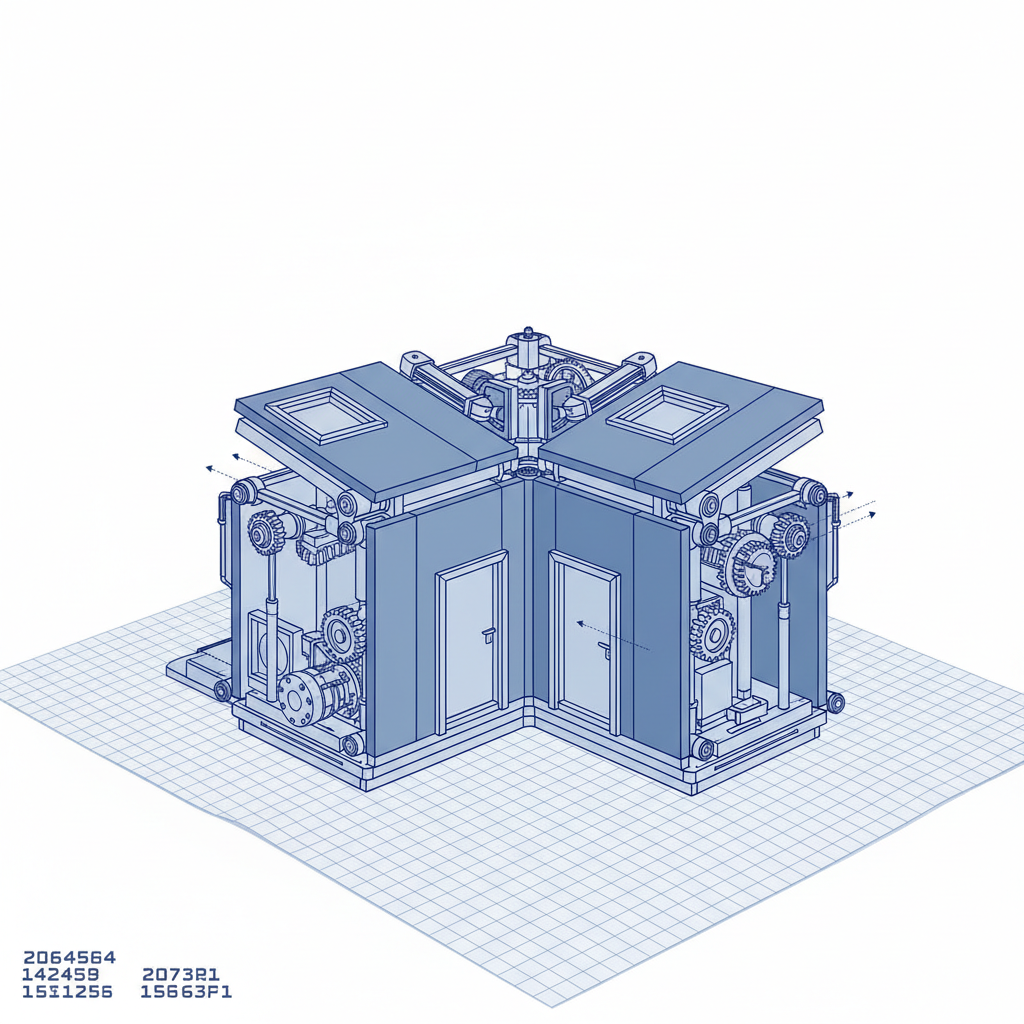
At its core, a portable folding house is a pre-fabricated structural system designed to collapse along precision-engineered hinges, allowing it to be transported as a flat pack. Unlike standard container homes that require cranes and extensive site preparation, folding houses utilize a "pop-up" logic where the walls and roof are integrated into the chassis, unfolding into a fully functional living space in a matter of minutes.
This architectural approach merges the principles of aerospace engineering—where space optimization is critical—with heavy-duty metal fabrication. The result is a structure that maintains the rigidity of a permanent building while offering the mobility of a tent. This hybrid nature makes them indispensable for rapid deployment in environments where time-to-occupancy is the most critical metric.
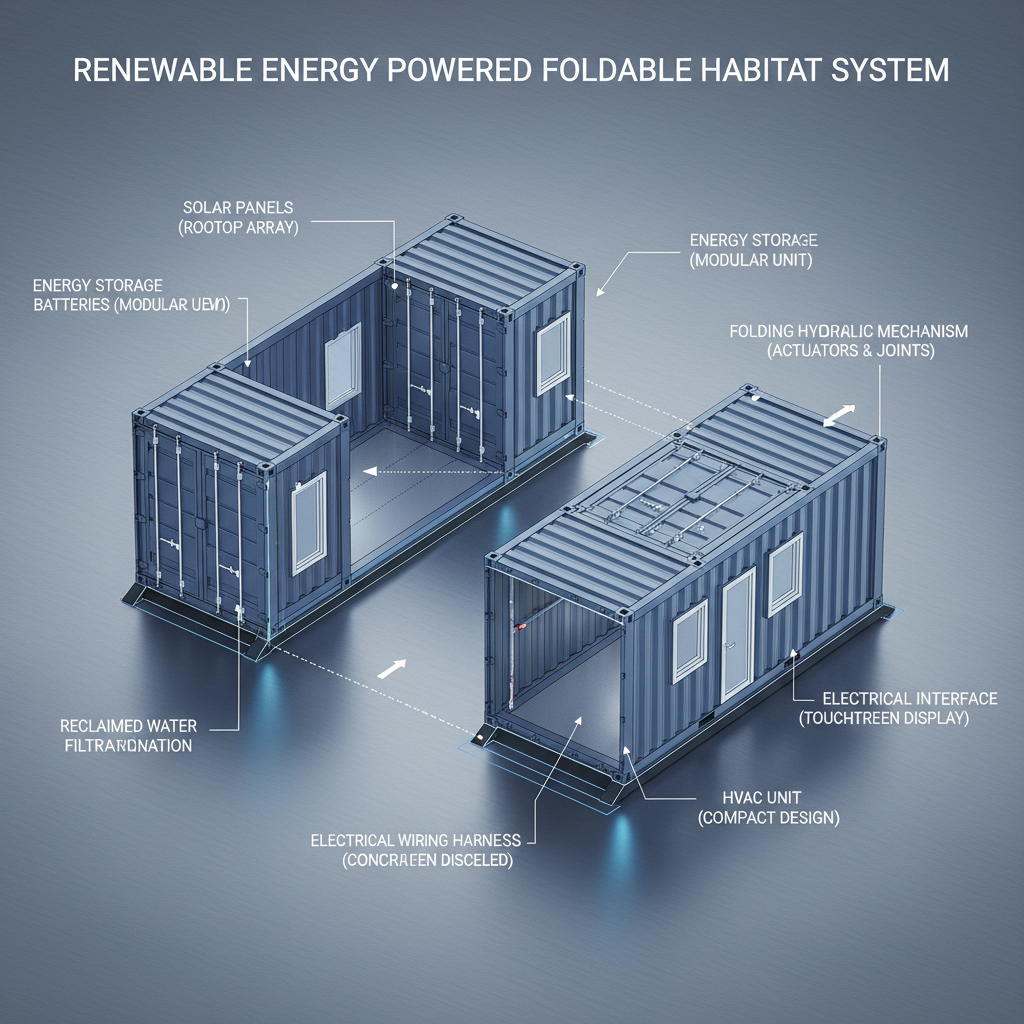
Beyond the physical folding, these houses are often designed as "plug-and-play" systems. Integrated electrical conduits, plumbing manifolds, and HVAC ports are pre-installed during the factory phase, meaning that once the structure is unfolded, the primary task remains simple connection to local utilities, further reducing the technical barrier to entry for non-expert users.
Core Components Driving Structural Integrity
The durability of portable folding houses relies heavily on the quality of the galvanized steel frame. This skeleton must withstand not only the stresses of repeated folding and unfolding but also the external loads of wind and snow, ensuring that the "temporary" nature of the build does not compromise the safety of the occupants.
High-performance insulation, typically using sandwich panels with EPS or rock wool cores, is critical for thermal regulation. By utilizing these materials, folding houses can maintain internal temperatures in extreme climates, ranging from the arid heat of desert mining camps to the freezing conditions of high-altitude research stations.
The locking mechanism and hinge assembly represent the most technical aspect of the build. Industrial-grade steel hinges with anti-corrosion coatings ensure that the folding action remains smooth over years of use, preventing the structural "sag" often associated with lower-quality prefabricated units.
Global Applications and Strategic Use Cases
The application of these structures spans multiple sectors, from government-led emergency response to private sector industrial expansion. In post-disaster relief operations, portable folding houses are deployed to create immediate medical clinics and administrative hubs, providing a stable environment for aid workers to coordinate recovery efforts.
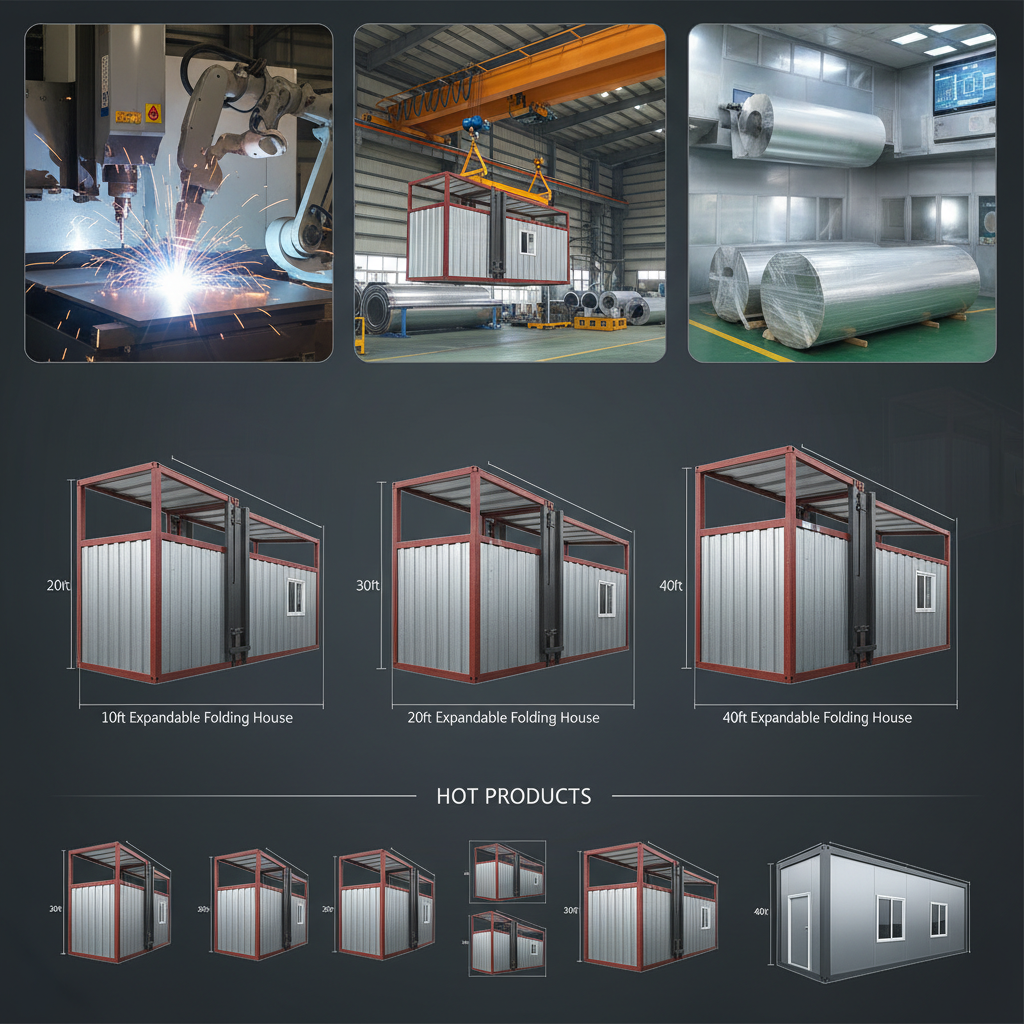
In the industrial sector, companies operating in remote zones—such as oil rigs or lithium mines—utilize these units to establish rapid-deployment worker villages. The ability to scale from a 10ft unit for a single guard to 40ft expandable units for dormitory use allows for an elastic infrastructure that grows or shrinks based on the project's lifecycle.
Performance Comparison of Folding House Deployment Methods
Long-Term Value and Sustainable Advantages
The long-term value of portable folding houses extends beyond simple convenience; it is rooted in economic sustainability. By reducing the need for heavy on-site machinery and minimizing ground disturbance, these houses lower the total cost of ownership and environmental impact. The ability to relocate the structure means that land can be reclaimed and restored once a project is complete, avoiding the "ghost town" effect common in traditional remote camps.
Moreover, the psychological impact of providing a secure, weather-proof, and private space cannot be overstated. In humanitarian contexts, shifting from canvas tents to folding metal houses restores a sense of dignity and safety to individuals. This logical shift from "shelter" to "home" improves mental health outcomes for displaced persons and increases productivity for industrial workers.
Future Innovations in Folding Architecture
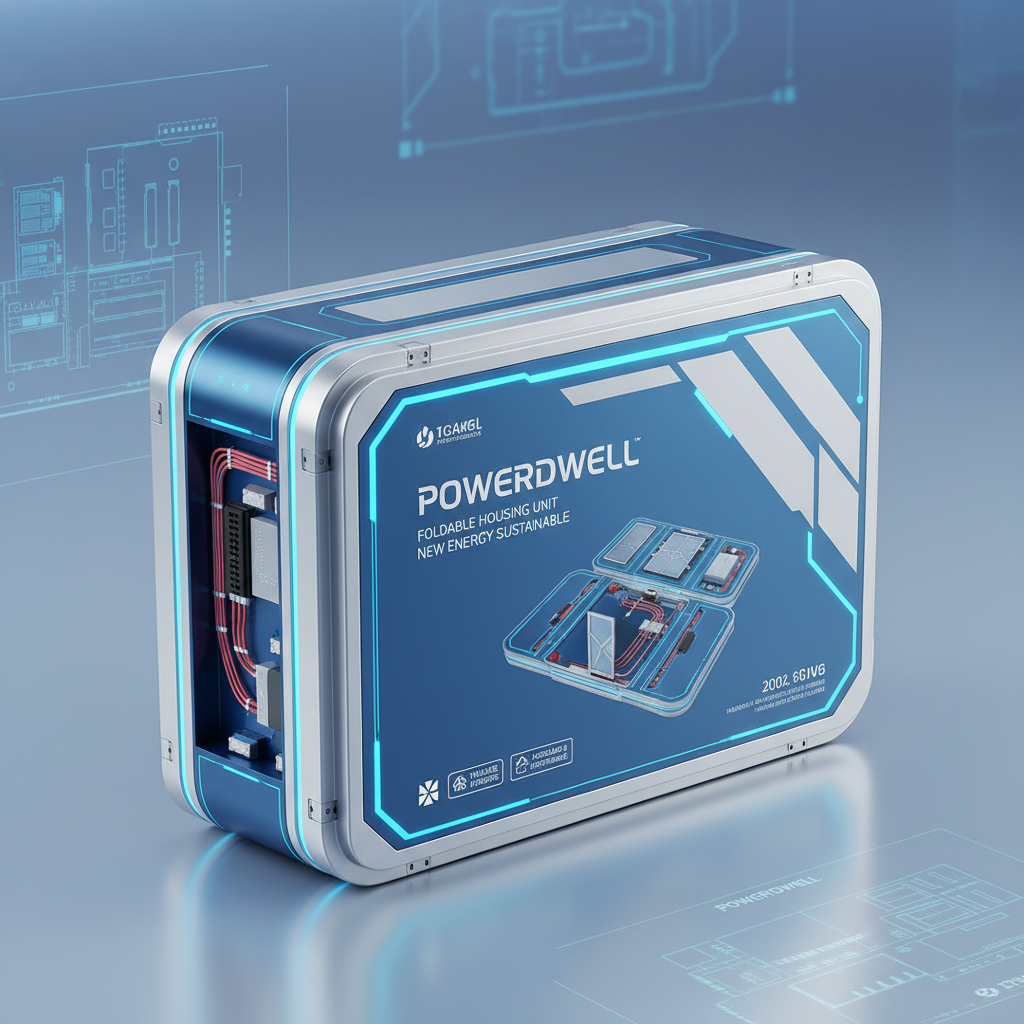
The next generation of portable folding houses is moving toward full energy autonomy. Integration of thin-film photovoltaic panels on the roof and integrated lithium-battery storage systems will allow these units to operate entirely off-grid, making them ideal for the most remote corners of the globe.
Material science is also evolving, with the introduction of lightweight carbon-steel alloys and bio-based composite panels that offer higher strength-to-weight ratios. This will further reduce shipping costs and allow for even larger expandable designs without increasing the logistical burden.
We are also seeing a trend toward "smart" folding houses, where IoT sensors monitor structural health, internal air quality, and energy usage in real-time. These digital twins allow central administrators to manage thousands of units across a vast geographic area from a single dashboard, optimizing maintenance and resource allocation.
Overcoming Implementation Challenges
Despite their advantages, the adoption of portable folding houses often faces regulatory hurdles. Many local building codes are based on static construction and struggle to categorize "folding" structures. To overcome this, industry leaders are working with international standardization bodies to create unified certification for modular, rapid-deployment housing.
Another challenge lies in the precision of the folding joints; in extremely sandy or salty environments, debris can interfere with the mechanical operation. The solution has been the development of sealed, self-lubricating hinge systems and the use of marine-grade coatings that prevent oxidation and grit ingress.
Finally, the balance between cost and quality remains a point of contention. To prevent the market from being flooded with substandard units, professional manufacturers are implementing rigorous stress-test protocols and providing long-term structural warranties, ensuring that the investment provides lasting value.
Analysis of Implementation Factors for Folding House Solutions
| Challenge Category |
Impact Level (1-10) |
Primary Solution |
Expected Outcome |
| Regulatory Compliance |
8 |
ISO Standardization |
Faster Permit Approval |
| Corrosion Resistance |
7 |
Hot-dip Galvanizing |
20+ Year Lifespan |
| Logistics Cost |
5 |
Flat-pack Optimization |
Reduced Freight Fees |
| Thermal Insulation |
9 |
Rock Wool Sandwich Panels |
Energy Efficiency |
| Assembly Speed |
4 |
Pre-installed Utilities |
Instant Occupancy |
| Joint Wear & Tear |
6 |
Self-lubricating Hinges |
Reliable Folding Cycles |
FAQS
Unlike traditional tents or temporary shelters, portable folding houses provide rigid structural protection, superior thermal insulation, and a secure environment. They offer the speed of a tent but the safety and longevity of a permanent building, making them suitable for long-term habitation rather than just short-term emergency cover.
With a high-grade galvanized steel frame and weather-resistant sandwich panels, these units can last between 15 to 25 years depending on maintenance. Their ability to be folded and moved also allows them to be relocated away from imminent danger, which increases the overall lifecycle of the asset compared to static structures.
Yes, they are highly cost-effective due to the massive reduction in shipping costs and on-site labor. Environmentally, they promote sustainability by using recyclable steel and minimizing site excavation. Many modern units also integrate solar energy, further reducing their operational carbon footprint.
Absolutely. The modular nature of the 10ft, 20ft, and 40ft models allows them to be joined side-by-side or end-to-end. By utilizing expandable models, users can create multi-room configurations, offices, or large dormitory wings while maintaining the folding capability for each individual module.
Most manufacturers provide standardized shipping dimensions that fit global container shipping protocols. Because they are classified as prefabricated metal products, they typically follow standard import duties. Many NGOs coordinate with manufacturers to ensure all units meet the specific building codes of the destination country before shipment.
While they can be placed on a flat piece of ground for short-term use, a simple concrete slab or a leveled gravel bed is recommended for long-term stability. This prevents sinking and ensures that the folding mechanisms remain aligned, preserving the structural integrity over time.
Conclusion
The rise of portable folding houses marks a significant milestone in the intersection of metal fabrication and architectural design. By solving the critical tension between durability and mobility, these structures provide an essential tool for disaster relief, industrial expansion, and sustainable urban development. From the precision of the galvanized frame to the efficiency of the flat-pack logistics, every element is engineered to provide safety, speed, and scalability.
Looking forward, the integration of green energy and smart monitoring will transform these units from simple shelters into autonomous living ecosystems. For organizations and individuals seeking a balance of cost-efficiency and reliability, investing in high-quality folding modularity is the most strategic path toward future-proofing their infrastructure. Explore our range of scalable solutions and redefine your space today. Visit our website: www.yanchungongxiang.com