The global demand for flexible, rapid-deployment housing has reached an unprecedented peak, driving the innovation of the collapsible house. As urbanization accelerates and the need for emergency shelter during natural disasters grows, the construction industry is shifting toward modular solutions that balance structural integrity with extreme portability. These units are no longer just temporary tents but fully engineered living spaces that can be transported in a fraction of their expanded volume.
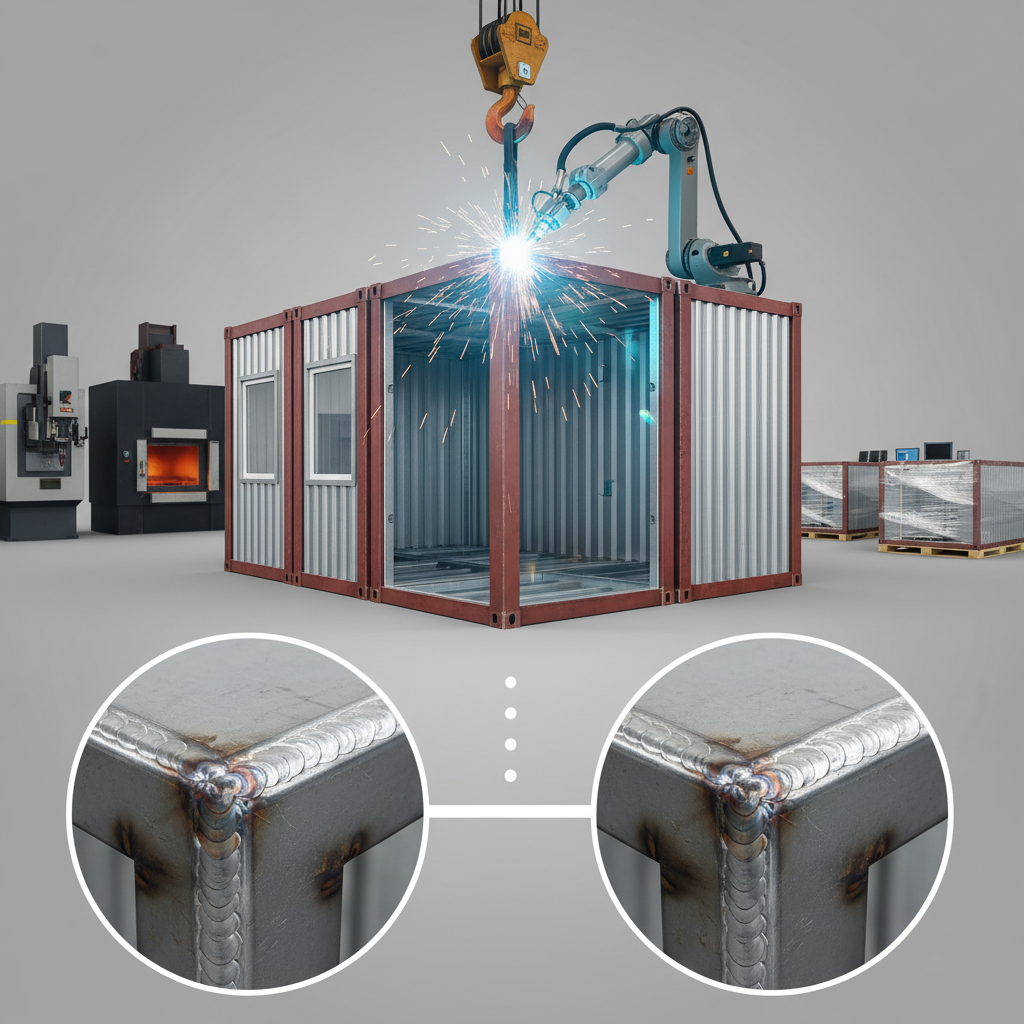
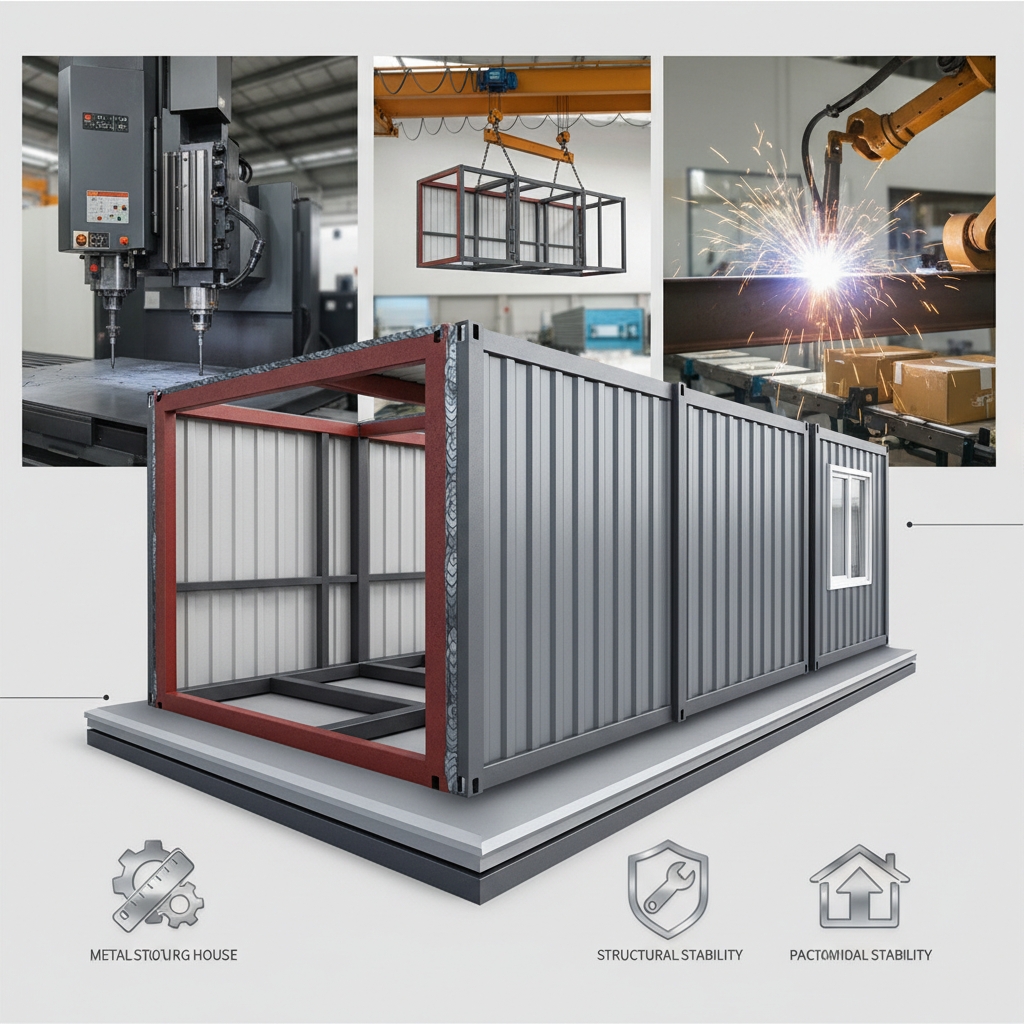
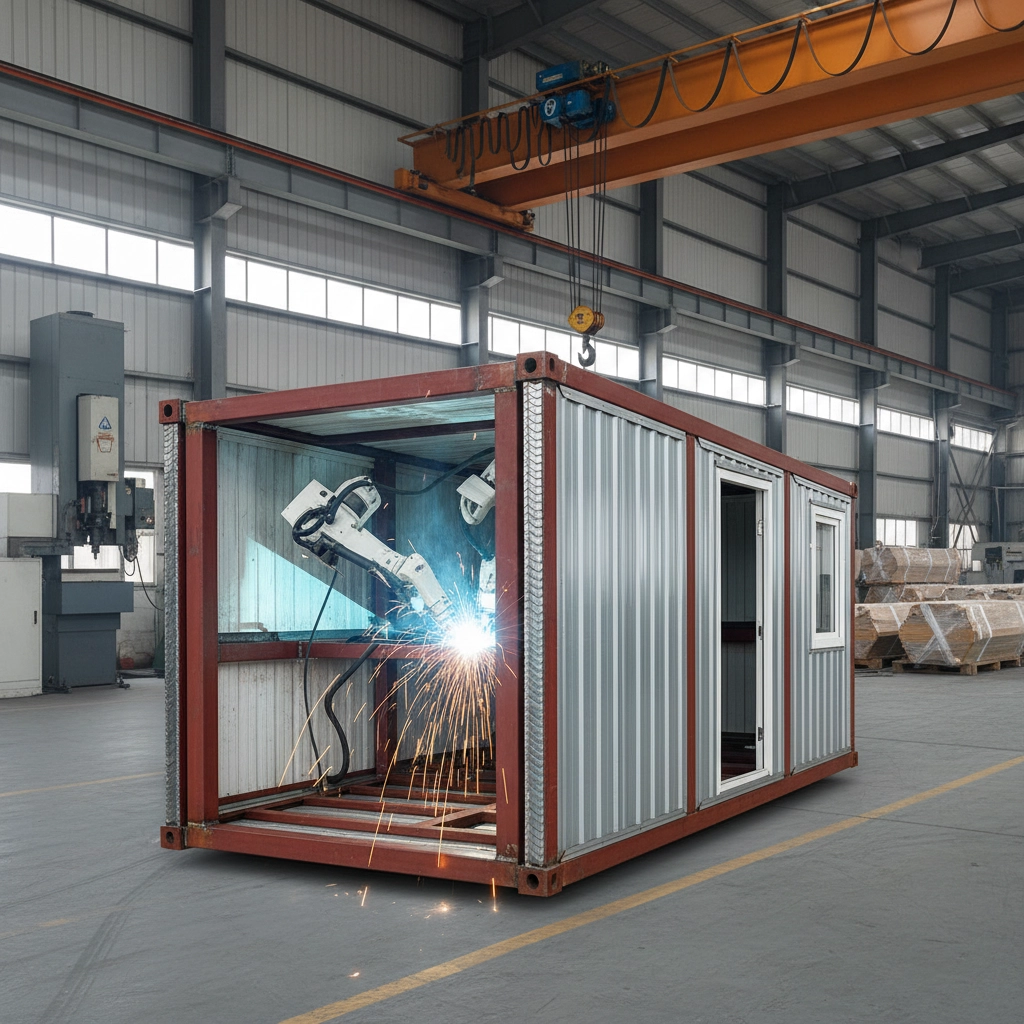
From a technical perspective, the evolution of the collapsible house represents a masterclass in metal structural engineering. By integrating high-strength galvanized steel frames with lightweight, insulating panels, manufacturers can now offer residences that unfold in minutes without compromising on safety or comfort. This synergy of materials allows for a scalable approach to housing, whether for a single family or a massive industrial worker camp.
Understanding the nuances of these structures is essential for developers, NGOs, and government agencies looking to optimize logistics and reduce overhead. By leveraging the efficiency of foldable designs, organizations can significantly lower transportation costs and minimize the environmental footprint associated with traditional on-site construction, making the modern collapsible house a cornerstone of sustainable urban and rural development.
Global Relevance of Collapsible House Systems
In an era marked by climate volatility and rapid migration, the collapsible house has transitioned from a niche product to a global necessity. According to data trends aligned with ISO modular standards, the ability to transport multiple housing units in a single shipping container reduces logistics costs by up to 70%. This efficiency is critical for international aid organizations and governments responding to sudden population shifts or urban housing shortages.
The challenge addressed by these systems is the "deployment gap"—the time between a crisis occurring and the provision of dignified, weather-proof shelter. Traditional construction is too slow, and tents are too fragile. The foldable metal structure provides a middle ground: the speed of a tent with the durability of a permanent building, ensuring that displaced populations or remote workers have a safe harbor almost immediately upon arrival.
Defining the Modern Collapsible House
At its core, a collapsible house is a prefabricated architectural unit designed to be folded along engineered hinges and joints for compact transport and rapidly expanded on-site. Unlike traditional modular homes that require heavy cranes and extensive assembly, these houses utilize a "fold-and-lock" mechanism that allows a small team to transform a flat-packed unit into a fully functional living space in under an hour.
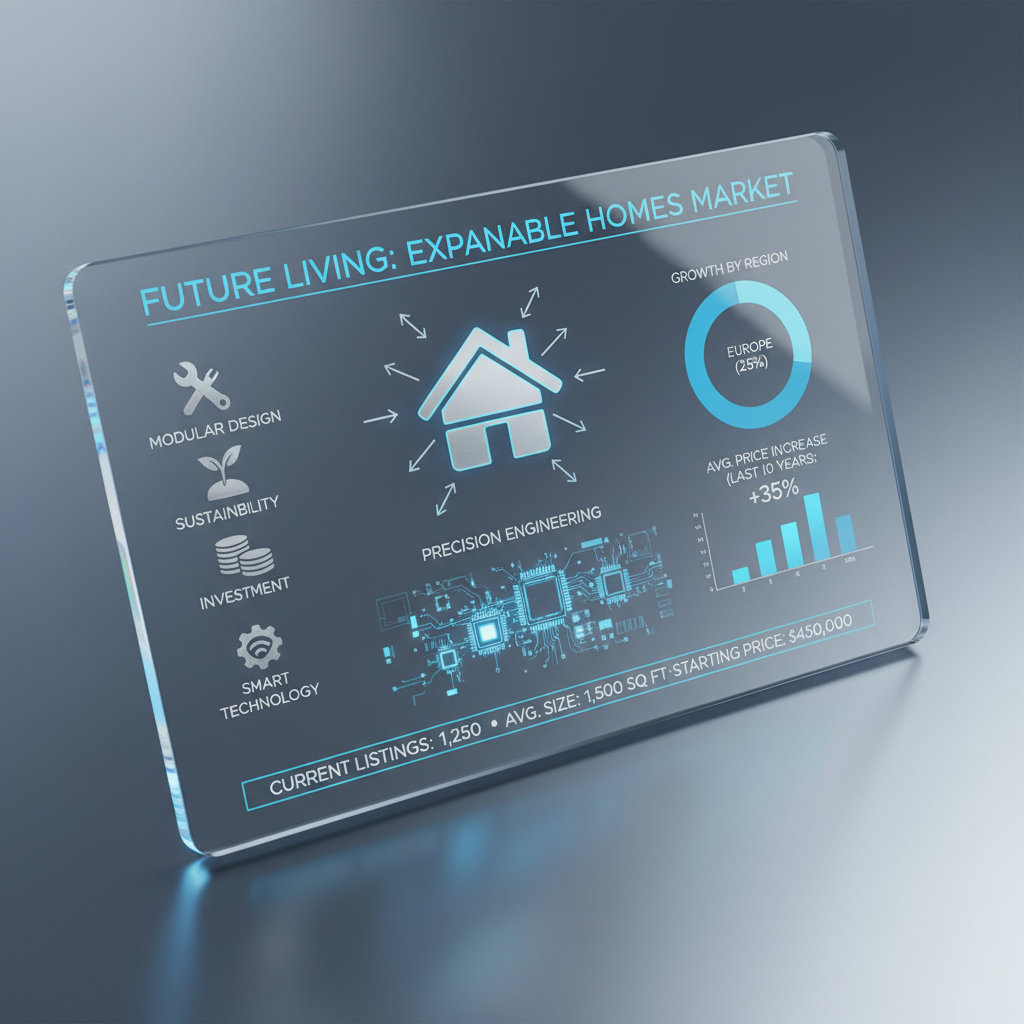
These structures are deeply connected to the needs of the modern industrial age, where agility is a competitive advantage. In the context of the metal products industry, this involves precision engineering of the chassis and wall panels to ensure that the folding process does not create structural weak points. The integration of 10ft, 20ft, 30ft, and 40ft expandable options allows the user to scale the living area based on specific requirements, from a compact studio to a spacious family home.
Beyond industrial utility, these houses serve a critical humanitarian purpose. By providing a rigid shell that can be insulated and plumbed, they offer a sense of permanence and dignity to people in transition. The shift from "shelter" to "house" is a psychological one, and the stability offered by a metal-framed collapsible unit is fundamental to the well-being of its occupants in high-stress environments.
Core Components of Structural Integrity
The durability of a collapsible house relies primarily on its skeletal frame. Most high-end units employ hot-dip galvanized steel, which prevents corrosion in humid or coastal environments. This frame must be rigid enough to withstand wind loads but flexible enough to allow for thousands of fold-unfold cycles without metal fatigue.
Thermal efficiency is another core pillar. Modern collapsible houses utilize Sandwich Panels—typically consisting of two layers of galvanized steel with a core of EPS (Expanded Polystyrene) or Rockwool. This ensures that the unit remains energy-efficient, keeping the interior warm in winter and cool in summer, which is a significant upgrade over traditional emergency housing.
Finally, the locking and sealing systems determine the overall quality of the build. Precision-engineered hinges and waterproof gaskets ensure that once the collapsible house is expanded, it remains airtight and leak-proof. These components are tested under extreme pressure to ensure that the seams do not fail during seismic events or heavy rainfall.
Strategic Advantages and Cost Efficiency
The primary advantage of choosing a collapsible house over traditional modular construction is the drastic reduction in shipping and installation costs. Because the units fold down, a single logistics carrier can transport four to six times more units than would be possible with pre-assembled containers, effectively slashing the cost per square foot of delivered living space.
Furthermore, the scalability of these units provides long-term financial flexibility. A project can start with 20ft expandable units and grow into a larger complex by adding 40ft units as demand increases, without requiring a complete redesign of the site infrastructure. This "pay-as-you-grow" model is highly attractive for mining operations and remote research stations.
Performance Comparison of Collapsible House Models
Global Applications and Real-World Use Cases
In post-disaster relief operations across Southeast Asia and the Caribbean, the collapsible house has proven invaluable. NGOs can deploy hundreds of these units to a disaster zone within days, providing immediate weather-proof shelter that protects families from the elements while permanent infrastructure is being rebuilt. The ability to include pre-installed electrical and plumbing systems means these units are habitable the moment they are unfolded.
Beyond humanitarian aid, these structures are widely used in remote industrial zones, such as oil rigs in the North Sea or mining sites in the Australian Outback. In these environments, where land is rugged and transportation is expensive, the foldable nature of the housing allows for the rapid setup of worker dormitories. The modularity ensures that once a project is completed, the units can be folded back down and relocated to the next site, ensuring maximum asset utilization.
Future Innovations in Foldable Housing
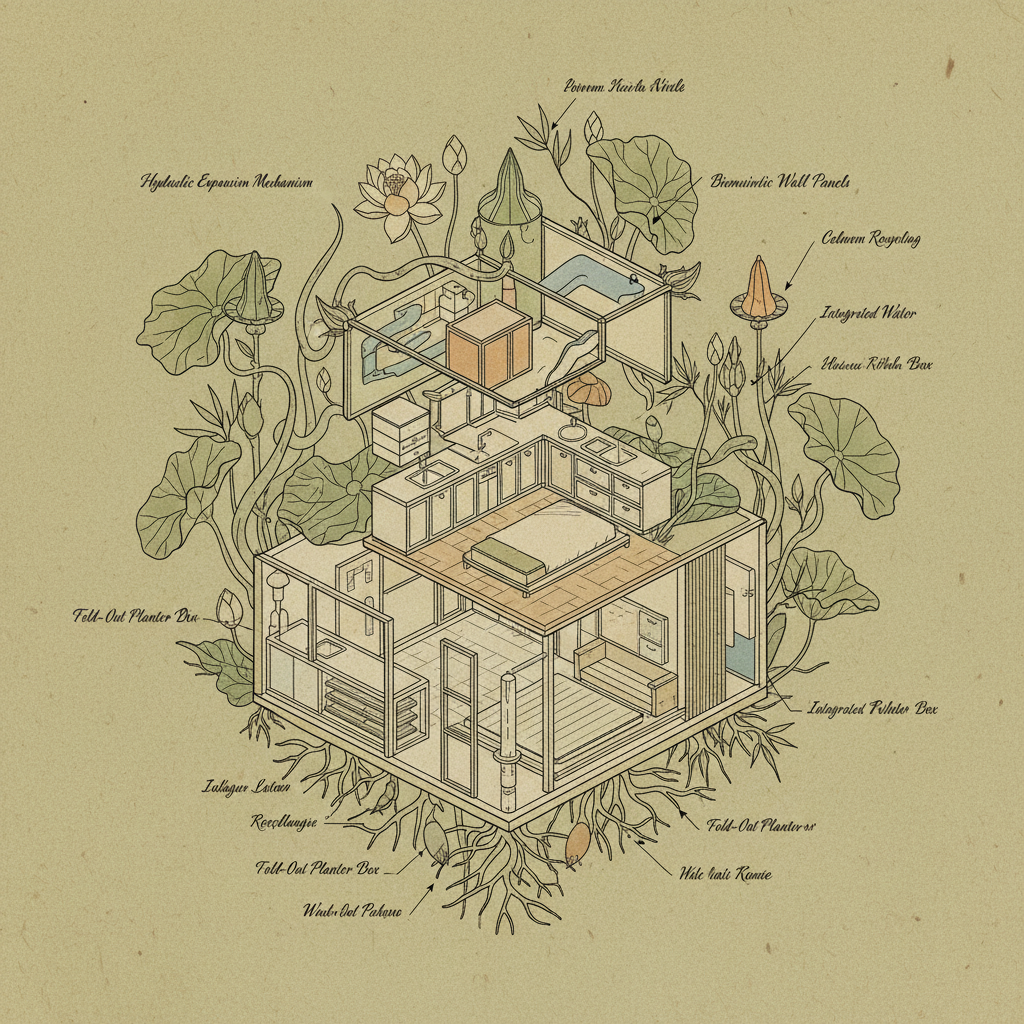
The next generation of the collapsible house is moving toward "Smart-Folding" technology. We are seeing the integration of automated hydraulic systems that allow a house to unfold itself at the touch of a button, removing the need for manual labor entirely. This automation will further reduce deployment times and minimize the risk of human error during the assembly process.
Sustainability is also driving material innovation. Future units are expected to incorporate graphene-enhanced steel for lighter yet stronger frames and phase-change materials (PCM) within the walls for passive temperature regulation. By reducing the reliance on active HVAC systems, the carbon footprint of these foldable homes will drop significantly, aligning them with global "Net Zero" construction goals.
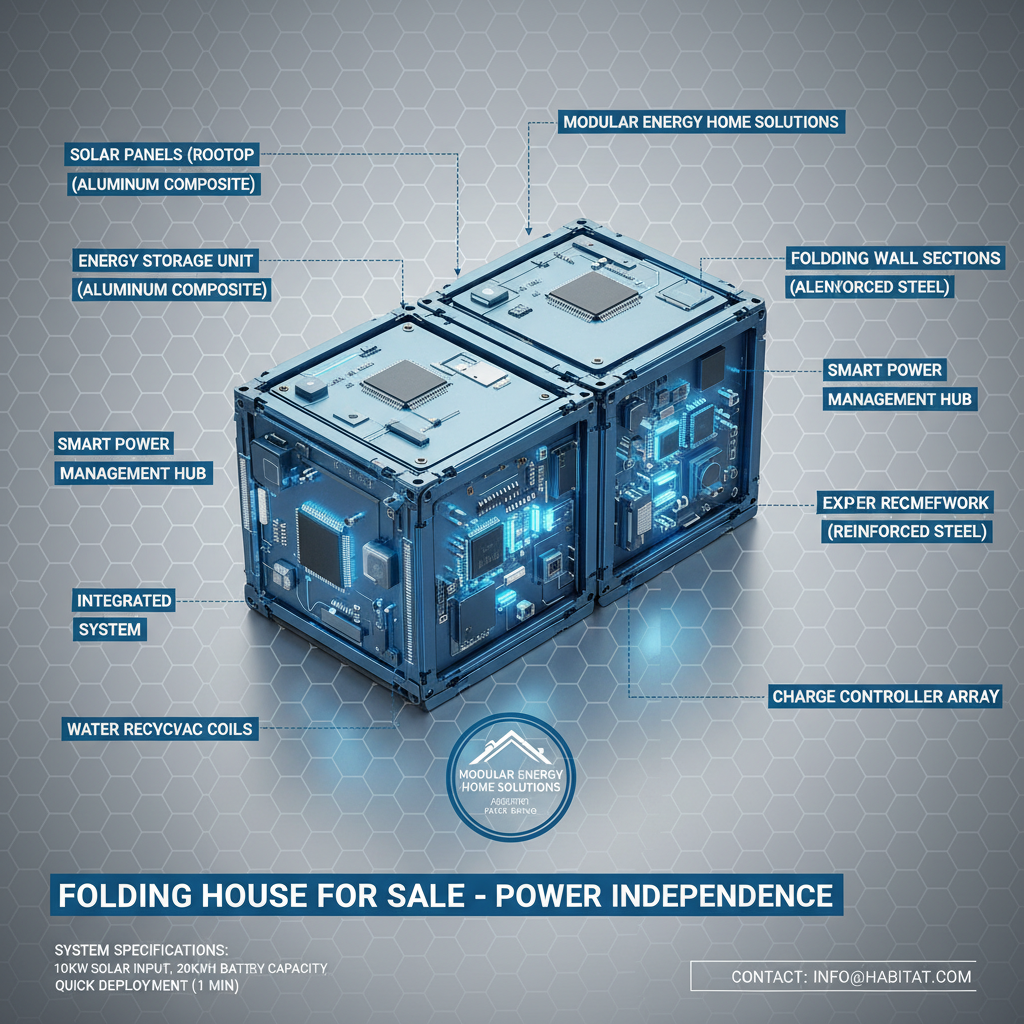
Furthermore, the integration of renewable energy is becoming standard. We are seeing roof-integrated flexible solar panels that unfold along with the house, providing immediate power for lighting and communications. This transforms the collapsible house from a simple shelter into an autonomous, off-grid living pod capable of sustaining life in the most isolated regions of the planet.
Overcoming Technical Challenges in Deployment
One of the primary challenges in the collapsible house industry is the "seal fatigue" that occurs after multiple folding cycles. Over time, the gaskets and joints can wear down, leading to air leaks or water ingress. To solve this, engineers are now utilizing high-grade silicone elastomers and redundant sealing layers that maintain their elasticity and waterproof properties even after years of use.
Another hurdle is the foundation requirement. While these houses are "plug-and-play," uneven terrain can stress the folding mechanism during expansion. The solution has been the development of adjustable leveling feet and integrated chassis jacks, allowing the collapsible house to be perfectly leveled on rocky or sandy soil without the need for a poured concrete slab.
Finally, regulatory compliance across different countries remains a complex issue. Building codes vary wildly, and a unit that is legal in one region may not be in another. By adhering to international ISO and CE certifications, manufacturers are creating a universal standard for foldable housing, ensuring that safety, fire resistance, and electrical standards are met regardless of where the house is deployed.
Comparative Analysis of Collapsible House Specifications
| Unit Model |
Deployment Speed |
Insulation Rating |
Durability Score |
| 10ft Compact |
15-20 Minutes |
Moderate |
8/10 |
| 20ft Expandable |
30-45 Minutes |
High |
9/10 |
| 30ft Premium |
60 Minutes |
Very High |
8/10 |
| 40ft Luxury |
90 Minutes |
Excellent |
7/10 |
| Steel-Frame Basic |
20 Minutes |
Low |
6/10 |
| All-Weather Spec |
45 Minutes |
Premium |
10/10 |
FAQS
Unlike traditional tents or temporary shelters, a collapsible house provides a rigid, metal-framed structure that offers superior protection against wind, rain, and extreme temperatures. They include integrated flooring, walls, and roofing that can be properly insulated and equipped with full electrical and plumbing systems, offering a level of safety and dignity that fabric shelters cannot match.
Depending on the material grade, a high-quality collapsible house made from galvanized steel and fire-resistant sandwich panels can last between 15 to 25 years. Regular maintenance of the hinges and seals is recommended, but the structural frame is designed to withstand significant environmental stress, making it a viable mid-to-long-term housing solution.
Yes, it is highly eco-friendly because it reduces the waste associated with traditional construction and lowers the carbon emissions from transportation. Cost-effectiveness is achieved through rapid deployment and the ability to reuse the units in different locations, eliminating the need to build new structures for every project.
Most manufacturers provide units that fit standard shipping container dimensions, facilitating easy sea and land transport. NGOs should ensure the units have CE or ISO certification to pass customs and meet local safety building codes in the destination country. Many suppliers also offer logistics support for large-scale humanitarian deployments.
One of the key selling points of a collapsible house is its simplicity. While a professional team can speed up the process, the units are designed to be unfolded by 2-3 untrained people using basic tools. Detailed manuals and video guides usually accompany the product to ensure the locking mechanisms are engaged correctly.
Yes, most providers offer various configurations. Depending on the size (10ft to 40ft), you can customize the placement of windows, the type of flooring, and the inclusion of kitchenettes or bathrooms. Because the walls are modular, some interior partitions can also be adjusted to suit the user's specific needs.
Conclusion
The collapsible house represents a pivotal shift in how we perceive residential and industrial infrastructure. By combining the strengths of metal structural engineering with the agility of modular design, these units solve the critical tension between speed of deployment and long-term durability. From reducing logistical overhead and environmental impact to providing dignified shelter in the wake of disaster, the value proposition of foldable housing is undeniable across diverse global sectors.
As we look toward the future, the integration of smart automation and sustainable energy will further solidify the role of the collapsible house as a primary tool for urban expansion and emergency response. For organizations and individuals seeking a balance of efficiency, cost-effectiveness, and resilience, transitioning to modular foldable solutions is the most logical step forward. To explore our range of 10ft to 40ft expandable units, visit our website: www.yanchungongxiang.com