
Maximize Power Reliability with a Solar Gas Powered Generator Solution
Understanding the Benefits of a Solar Gas Powered Generator
In today's world, reliable and sustainable power solutions are more crucial than ever. A solar gas powered generator offers a compelling combination of renewable energy and the dependability of a traditional fuel source. This article will explore the benefits, applications, and key features of these innovative generators, helping you determine if one is right for your power needs. We'll cover everything from emergency preparedness to off-grid living, and highlight the advantages of choosing this type of generator.
How Does a Solar Gas Powered Generator Work?
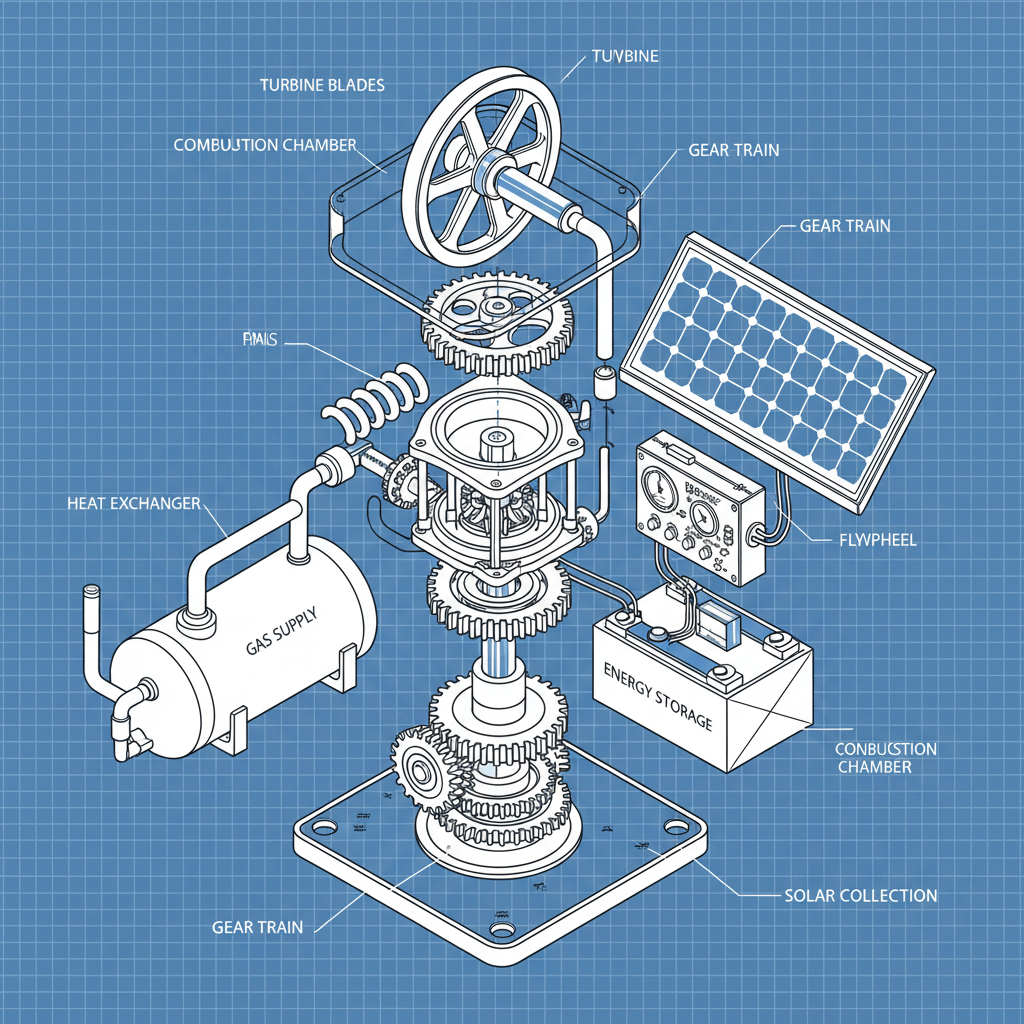
These generators aren’t just one technology, but a smart hybrid. They utilize solar panels to capture sunlight and convert it into electricity. This electricity can then be used directly, stored in batteries for later use, or used to supplement the gas-powered engine. When sunlight isn’t available, or demand exceeds solar capacity, the generator automatically switches to a gasoline or propane source. This automatic switching ensures a continuous power supply, making it ideal for situations where uninterrupted power is essential. The system cleverly balances renewable energy with fuel efficiency, reducing reliance on fossil fuels and minimizing emissions.
Key Takeaway: A solar gas powered generator provides a reliable power source by combining the benefits of solar energy with the convenience of a traditional fuel source, offering a seamless transition between power sources when needed.
The Advantages of Choosing a Solar Gas Powered Generator
Investing in a solar gas powered generator offers several significant benefits. Firstly, it reduces your carbon footprint by utilizing renewable solar energy. Secondly, it provides greater energy independence, lessening your reliance on the grid. Thirdly, these generators are often quieter than traditional gas generators. Finally, the hybrid design offers cost savings in the long run by reducing fuel consumption and potentially qualifying for government incentives. These generators are exceptionally versatile and can be used in a wide range of scenarios, from camping and RVing to home backup power and construction sites.
Benefits at a Glance:
• Reduced Carbon Footprint
• Energy Independence
• Quieter Operation
• Long-Term Cost Savings
Solar Gas Powered Generator vs. Traditional Generators: A Head-to-Head Comparison
While traditional gas generators are widely available, they have limitations. They are typically louder, produce more emissions, and rely solely on fossil fuels. A solar gas powered generator bridges the gap, providing a cleaner, quieter, and more sustainable alternative. Here's a detailed comparison:
Applications of Solar Gas Powered Generators
The versatility of a solar gas powered generator makes it suitable for a wide range of applications. These include emergency home backup during power outages, powering remote work sites, camping and overlanding, and providing electricity for outdoor events. They are also popular for off-grid living, allowing individuals to reduce their dependence on traditional utility companies. The ability to switch seamlessly between solar and gas ensures a consistent power supply, regardless of weather conditions or fuel availability.
Choosing the Right Solar Gas Powered Generator: Key Specifications
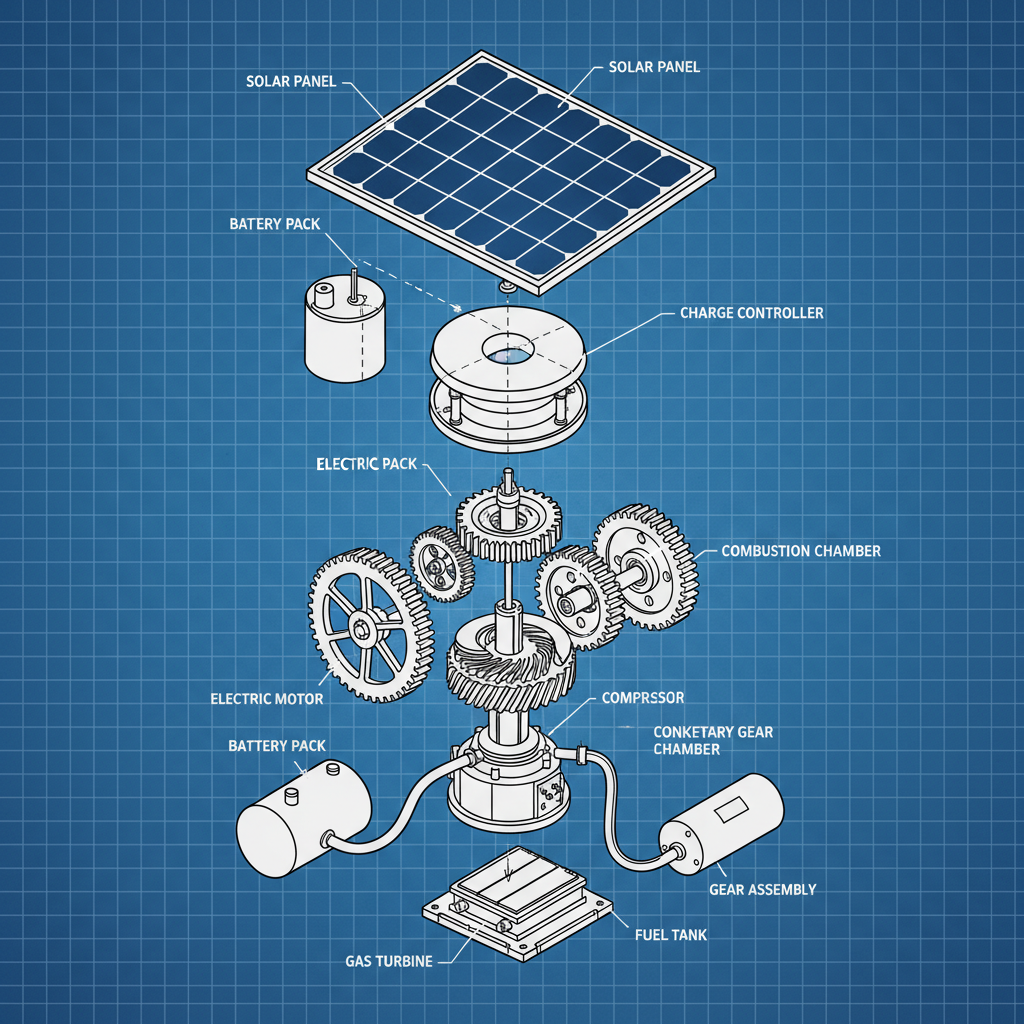
Selecting the appropriate generator requires considering your power needs. Key factors include wattage output, battery capacity, solar panel input, and fuel type compatibility. Look for a generator with sufficient wattage to power all your essential appliances simultaneously. Battery capacity determines how long you can run the generator on solar power alone. A higher solar panel input allows for faster charging times. Consider whether you prefer gasoline or propane as your backup fuel source. Yanchun Gongxiang offers a range of models to suit different needs.
Conclusion: Embrace Sustainable Power with a Solar Gas Generator
A solar gas powered generator represents a smart investment in reliable, sustainable power. It combines the best of both worlds – the clean energy of the sun and the dependability of traditional fuel. Whether you need backup power, a solution for off-grid living, or a portable power source for outdoor adventures, a solar gas generator offers a versatile and environmentally conscious choice.
Frequently Asked Questions (FAQs)
How much solar paneling do I need to effectively charge my generator?
The amount of solar paneling needed depends on your generator’s solar input capacity and your energy consumption. Generally, a generator with a 200W solar input will benefit from at least 200W of solar panels, but more is always better, especially in areas with limited sunlight. Consider factors like shading and panel efficiency. Over-paneling (using more wattage than the generator's input) won't damage the generator, but the excess energy won't be utilized. Consult the generator's specifications and your energy needs to determine the optimal solar panel configuration.
Can I use propane instead of gasoline with these generators?
Many solar gas powered generators are designed to run on either gasoline or propane. Propane offers several advantages, including cleaner burning, longer shelf life, and lower emissions. However, propane has a lower energy density than gasoline, meaning you may need a larger propane tank to achieve the same runtime. Always check your generator’s specifications to confirm fuel compatibility and any necessary conversion kits.
What is the typical noise level of a solar gas powered generator?
Solar gas powered generators are generally quieter than traditional generators. When running on solar power alone, they can operate virtually silently. When the gas engine kicks in, the noise level typically ranges from 58 to 65 decibels, depending on the model and load. This is comparable to a normal conversation and significantly quieter than many conventional generators. Look for models with noise reduction features for even quieter operation.
How do I maintain my solar gas powered generator?
Regular maintenance is crucial for ensuring the longevity and optimal performance of your generator. This includes checking and cleaning the solar panels, changing the oil and air filters, inspecting the fuel lines, and testing the battery. Refer to the manufacturer’s manual for specific maintenance recommendations and schedules. Proper maintenance will help prevent breakdowns and ensure reliable power for years to come.