
Choosing the Right Power Generator for Outdoor Event Planning and Execution
Choosing the Right Power Generator for Outdoor Event
Planning an outdoor event? Ensuring a reliable power source is critical for success. From lighting and sound systems to food vendors and essential equipment, a power generator for outdoor event is often the backbone of a smooth operation. This guide will walk you through the key considerations when selecting the right generator, helping you avoid power outages and keep your event running seamlessly. We’ll cover everything from power needs and fuel types to safety features and noise levels.
Understanding Your Power Needs
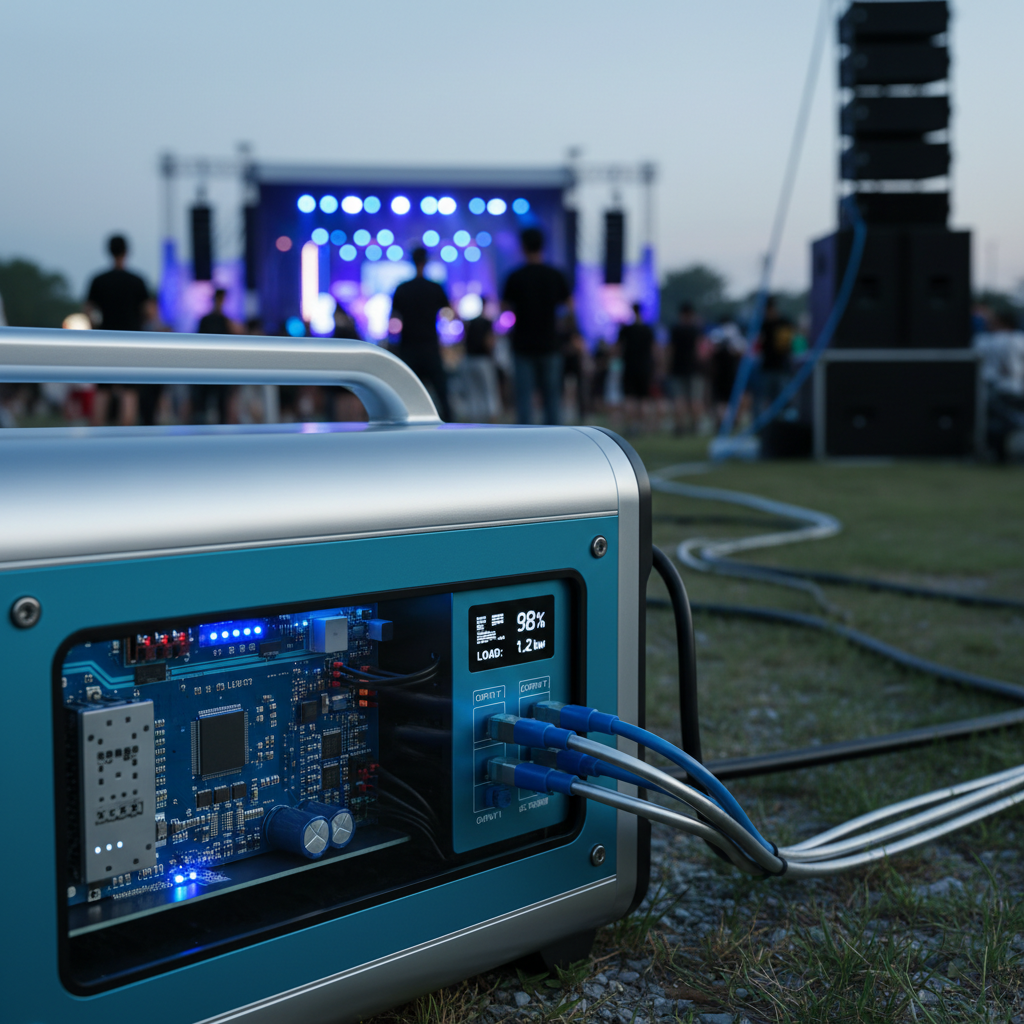
Before you start shopping, it’s crucial to calculate your total power requirements. Make a comprehensive list of all the electrical devices you plan to use at your event. This includes lights, sound systems, catering equipment (refrigerators, coffee makers, etc.), computers, and any other powered devices. For each device, note its wattage. Add up the wattage of all devices to determine your total wattage requirement. It's also important to consider 'starting wattage,' which is the extra power needed to start some appliances (especially those with motors). Always choose a generator with a wattage capacity exceeding your total needs to prevent overloading.
Tip: Add a 20-25% buffer to your calculated wattage to accommodate unexpected power draws and ensure smooth operation.
Fuel Types: Gasoline, Diesel, and Propane
Generators run on different fuel types, each with its pros and cons. Gasoline generators are generally the most affordable upfront, easy to start, and widely available. However, gasoline is more expensive and has a shorter shelf life than other fuels. Diesel generators are more fuel-efficient and durable, making them a good choice for long-running events. They also tend to be quieter than gasoline models. However, they are typically more expensive and can be heavier. Propane generators offer clean burning, lower emissions, and easy storage. They are a good option if you prioritize environmental friendliness, but propane tanks can be bulky and require careful handling.
Fuel Type Comparison:
• Gasoline: Affordable, easy to start, short shelf life.
• Diesel: Fuel-efficient, durable, more expensive.
• Propane: Clean burning, low emissions, bulky tanks.
Key Features to Look for in a Power Generator for Outdoor Event
Several features contribute to a generator's suitability for outdoor events. Look for models with low noise levels (measured in decibels – dB) to minimize disturbance to attendees. Electric start is convenient and eliminates the need for a pull cord. Automatic voltage regulation (AVR) protects sensitive electronics from power surges. Multiple outlets provide flexibility for connecting various devices. Finally, consider a generator with a fuel gauge and low-oil shutdown for added safety and convenience.
Safety First: Generator Operation Best Practices
Safety should be your top priority when operating a generator. Never operate a generator indoors or in enclosed spaces – carbon monoxide is a deadly, odorless gas. Ensure the generator is positioned on a level surface and protected from the elements. Use heavy-duty, outdoor-rated extension cords of the appropriate gauge. Avoid overloading the generator. Regularly inspect the generator for any signs of damage. And remember to store fuel safely, away from the generator and potential ignition sources. Visit Yanchungongxiang to learn more about safe generator operation.
Choosing the Right Generator: Yanchungongxiang Options
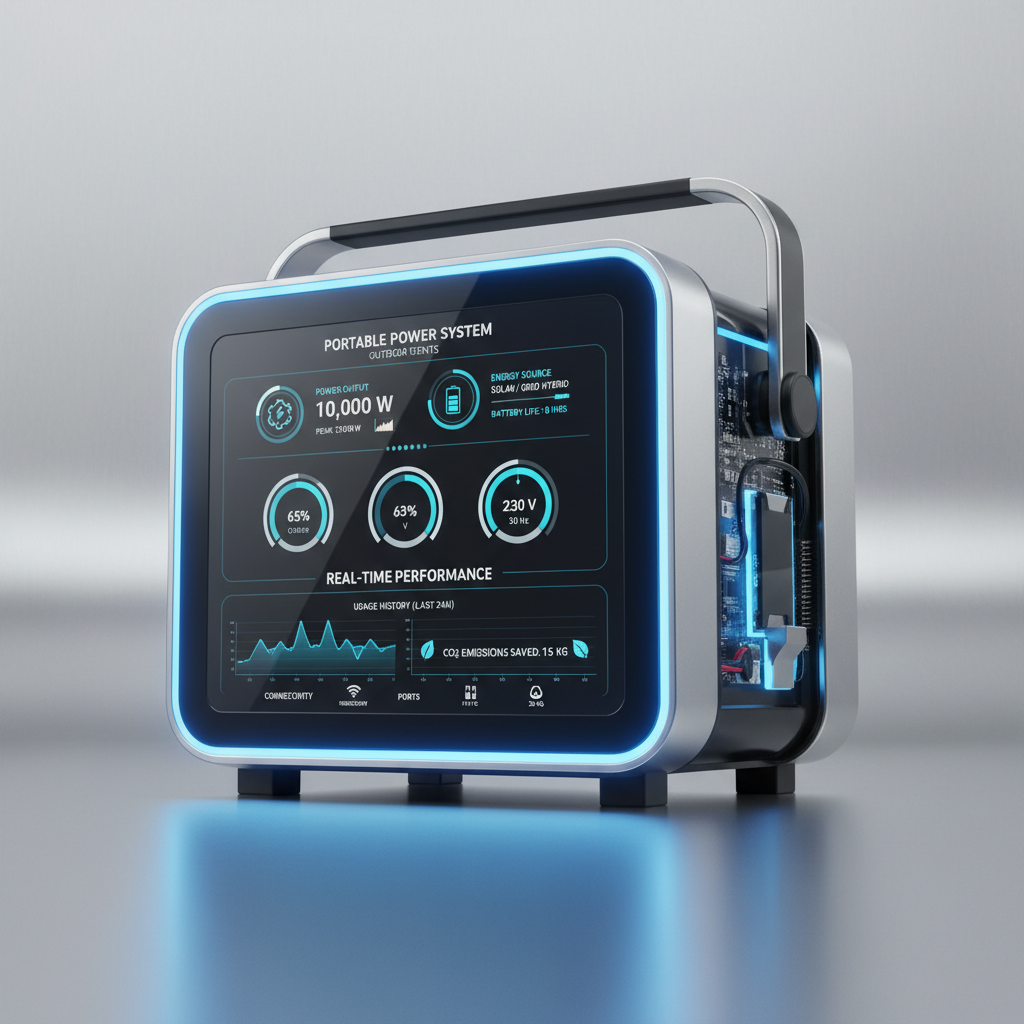
At Yanchungongxiang, we offer a wide range of power generators for outdoor event to suit various needs and budgets. From portable gasoline generators to robust diesel models, we have the perfect solution for your event. Our team of experts can help you determine the appropriate generator size and features based on your specific requirements. We also provide comprehensive support and maintenance services to ensure your generator operates reliably.
Conclusion: Powering Your Success
Selecting the right power generator for outdoor event is an investment in the success of your event. By carefully considering your power needs, fuel options, safety features, and choosing a reputable supplier like Yanchungongxiang, you can ensure a reliable and uninterrupted power supply, allowing you and your attendees to enjoy a seamless experience.
Frequently Asked Questions (FAQs)
How much does a power generator for outdoor events typically cost?
The cost of a generator varies significantly based on wattage, fuel type, features, and brand. Smaller gasoline generators for basic needs can start around $300 - $500. Mid-range diesel generators suitable for larger events typically range from $1,500 to $5,000 or more. High-end, industrial-grade generators can easily exceed $10,000. Factors like noise level, electric start, and AVR also contribute to the overall cost. It's essential to balance your budget with your power requirements and desired features. We at Yanchungongxiang offer options across all price ranges.
What size generator do I need for a wedding reception?
The ideal generator size for a wedding reception depends on the number of guests and the equipment you'll be using. Typically, a 5kW to 7kW generator should suffice for a medium-sized wedding with lighting, sound systems, catering equipment, and potentially a DJ. However, if you have a larger guest list, additional appliances, or plan to run air conditioning, you may need a 10kW or larger generator. It's best to overestimate your power needs slightly to avoid overloading the generator.
How far can I run an extension cord from a generator?
The maximum length of an extension cord depends on its gauge (thickness). Generally, for 120V circuits, you shouldn’t exceed 100 feet with a 14-gauge cord, 150 feet with a 12-gauge cord, and 200 feet with a 10-gauge cord. For 240V circuits, you can use longer cords, but it's crucial to use the correct gauge. Using an undersized cord can cause voltage drop, overheating, and even fire. Always use outdoor-rated extension cords and avoid running them through water or over sharp objects.